THE ADVENTURE COLLECTIVE® · Independent discovery and booking for outdoor travel

Move quickly through the Prado’s best-loved masterpieces with a 90-minute expert-led tour that includes fast-track entry and radio guides. Perfect for first-time visitors wanting concentrated context on Velázquez, Goya, Rubens and Spanish art history.
Move quickly through the Prado’s best-loved masterpieces with a 90-minute expert-led tour that includes fast-track entry and radio guides. Perfect for first-time visitors wanting concentrated context on Velázquez, Goya, Rubens and Spanish art history.
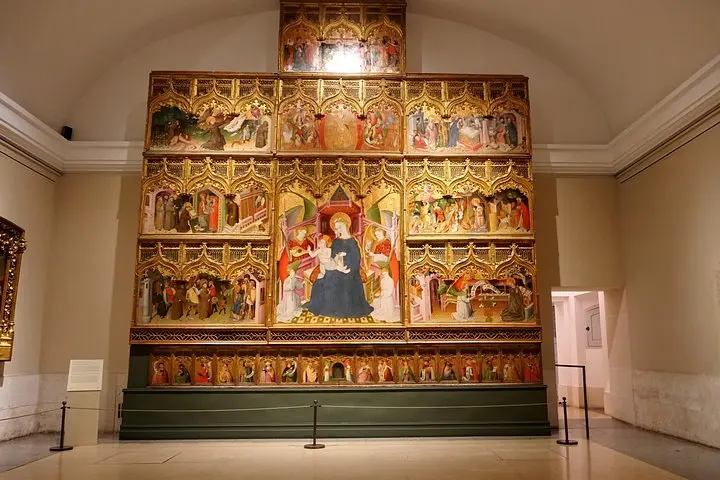
A visitor steps through the Prado’s heavy doors and the city noise falls away; sunlight on Calle de Ruiz de Alarcón gives way to cool galleries where Velázquez’s brushstrokes still command silence. This 90-minute guided tour moves at a purposeful pace, placing the most influential Spanish and Flemish works within reach: Las Meninas, Goya’s later portraits, and Ruben’s baroque canvases, all framed by the museum’s neoclassical halls.
Verified experiences and guided adventures in the surrounding area.
Operated by Vistra · Madrid, Community of Madrid
A visitor steps through the Prado’s heavy doors and the city noise falls away; sunlight on Calle de Ruiz de Alarcón gives way to cool galleries where Velázquez’s brushstrokes still command silence. This 90-minute guided tour moves at a purposeful pace, placing the most influential Spanish and Flemish works within reach: Las Meninas, Goya’s later portraits, and Ruben’s baroque canvases, all framed by the museum’s neoclassical halls.
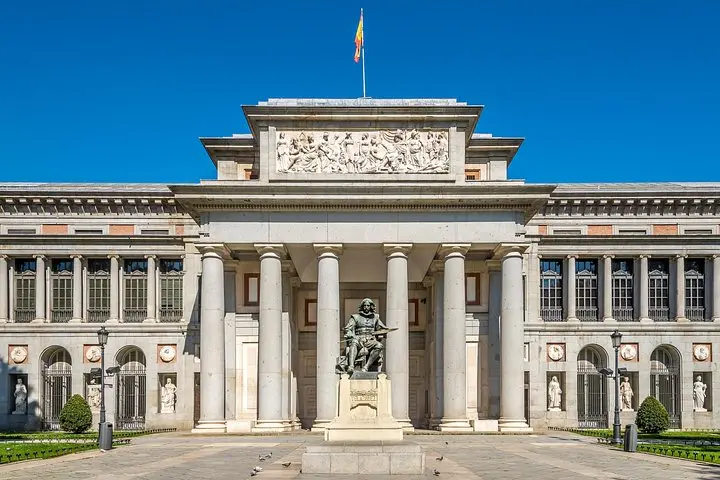
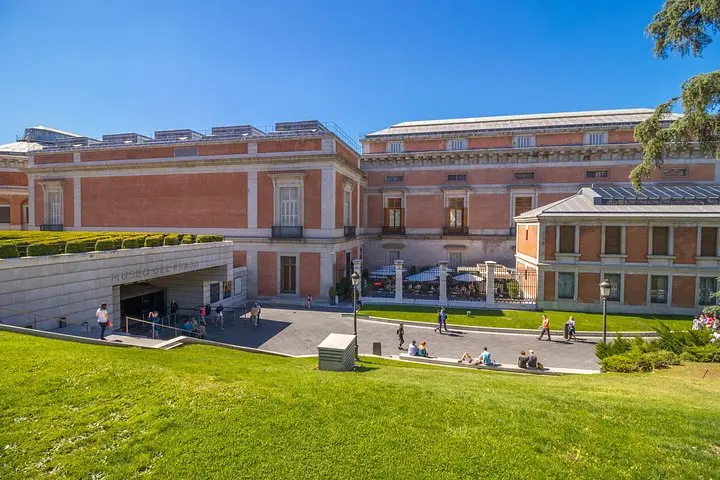
Founded as the Royal Museum of Paintings and Sculptures in 1819 and housed in Juan de Villanueva’s 18th-century design, the Prado grew alongside Spain’s political shifts—its collection shaped by royal inheritance and diplomatic exchange. The building’s stone facade and ordered galleries reflect Enlightenment ideals; inside, pigments and varnish whisper conservation stories that curators quietly manage every day.
Culturally, the Prado is Madrid’s heartbeat: local students stream through for art history assignments while international visitors follow audio guides and expert commentary. Expect walking between rooms on even floors, brief standing periods, and close viewing under museum lighting; photography rules and conservation needs limit flash and oversized bags.
Practical guidance: arrive 15 minutes early for security checks, bring ID for ticket verification, and use the provided radio guides to catch details you might miss in a small-group flow. The tour is compact—ideal for first-time visitors who want highlights without booking an entire afternoon. After the tour, allow time to browse temporary exhibitions or relax in the nearby Botanical Gardens to let the images settle.
The tour is advertised with fast-track entry to reduce waiting; final entry procedures depend on museum operations and security on the day.
Tours use bilingual or monolingual guides depending on the chosen date; radio guides help with translation and audio clarity.
The Prado has accessible routes and elevators, but travelers should check accessibility details in advance and note that some standing is required.
After the tour, guests generally have time to explore independently, but re-entry policies follow the museum’s ticketing rules—confirm with staff at the end of your tour.
Vistra operates guided outdoor trips and adventures with an emphasis on safety, stewardship, and memorable experiences.
A visitor steps through the Prado’s heavy doors and the city noise falls away; sunlight on Calle de Ruiz de Alarcón gives way to cool galleries where Velázquez’s brushstrokes still command silence. This 90-minute guided tour moves at a purposeful pace, placing the most influential Spanish and Flemish works within reach: Las Meninas, Goya’s later portraits, and Ruben’s baroque canvases, all framed by the museum’s neoclassical halls.
A visitor steps through the Prado’s heavy doors and the city noise falls away; sunlight on Calle de Ruiz de Alarcón gives way to cool galleries where Velázquez’s brushstrokes still command silence. This 90-minute guided tour moves at a purposeful pace, placing the most influential Spanish and Flemish works within reach: Las Meninas, Goya’s later portraits, and Ruben’s baroque canvases, all framed by the museum’s neoclassical halls.
Founded as the Royal Museum of Paintings and Sculptures in 1819 and housed in Juan de Villanueva’s 18th-century design, the Prado grew alongside Spain’s political shifts—its collection shaped by royal inheritance and diplomatic exchange. The building’s stone facade and ordered galleries reflect Enlightenment ideals; inside, pigments and varnish whisper conservation stories that curators quietly manage every day.
Culturally, the Prado is Madrid’s heartbeat: local students stream through for art history assignments while international visitors follow audio guides and expert commentary. Expect walking between rooms on even floors, brief standing periods, and close viewing under museum lighting; photography rules and conservation needs limit flash and oversized bags.
Practical guidance: arrive 15 minutes early for security checks, bring ID for ticket verification, and use the provided radio guides to catch details you might miss in a small-group flow. The tour is compact—ideal for first-time visitors who want highlights without booking an entire afternoon. After the tour, allow time to browse temporary exhibitions or relax in the nearby Botanical Gardens to let the images settle.