THE ADVENTURE COLLECTIVE® · Independent discovery and booking for outdoor travel

Walk through Prague’s most inventive years: a guided route that highlights Art Nouveau curves, Czech Cubism and rondocubism. Ideal for architecture fans who want context, close‑up detail and practical tips for exploring the historic centre.
Walk through Prague’s most inventive years: a guided route that highlights Art Nouveau curves, Czech Cubism and rondocubism. Ideal for architecture fans who want context, close‑up detail and practical tips for exploring the historic centre.
You step off a tram into a pocket of Prague where the stone changes its mood: the soft curves of Art Nouveau face the sharp facets of Cubism, and the city’s ornamented skin seems to rearrange itself as you walk.
Verified experiences and guided adventures in the surrounding area.
Operated by Precious Legacy Tours s.r.o · Prague, Prague
You step off a tram into a pocket of Prague where the stone changes its mood: the soft curves of Art Nouveau face the sharp facets of Cubism, and the city’s ornamented skin seems to rearrange itself as you walk.
This three‑hour stroll focuses on Prague’s surge of creativity between 1890 and 1925, when the riverbank city reinvented its civic face. The guide traces how fin‑de‑siècle confidence and early 20th‑century modernism collided — from richly detailed façades and painted stuccoes to buildings that break into crystalline cubes and the rounded geometry of rondocubism.
Geology and urban form play a quiet role: the Vltava valley and compact medieval street grid forced architects to layer styles vertically and to use local sandstone and plaster finishes that weather into the patinated tones you see today. Cultural threads — nationalist revival, industrial growth and the Czech search for a modern identity — inform why Prague favored bold, new languages in stone and decorative arts.
Practical guidance: expect paved streets, some cobbles and short stair sections; wear supportive shoes and plan for 3–3.5 hours at an easy pace with frequent stops. Bring a camera with moderate zoom to capture façades and balconies; the guide will point out details easily missed from street level. Public transport links are excellent for arriving and departing; summer afternoons draw crowds, so morning slots are quieter. Take bottled water, a lightweight rain layer, and allow extra time to explore small courtyards and museum rooms if you want a closer look.
The route includes cobbles and occasional steps; parts may be difficult for wheelchairs and large strollers—contact the operator ahead to confirm accessibility options.
Admissions are not included; the tour focuses on exterior architecture with optional stops where you can enter museums at your own expense.
This listing notes an English‑speaking professional guide; inquire with the operator about other language options when booking.
Full refunds are available if you cancel at least 24 hours before departure; last‑minute cancellations are nonrefundable per the provider policy.
Precious Legacy Tours s.r.o operates guided outdoor trips and adventures with an emphasis on safety, stewardship, and memorable experiences.
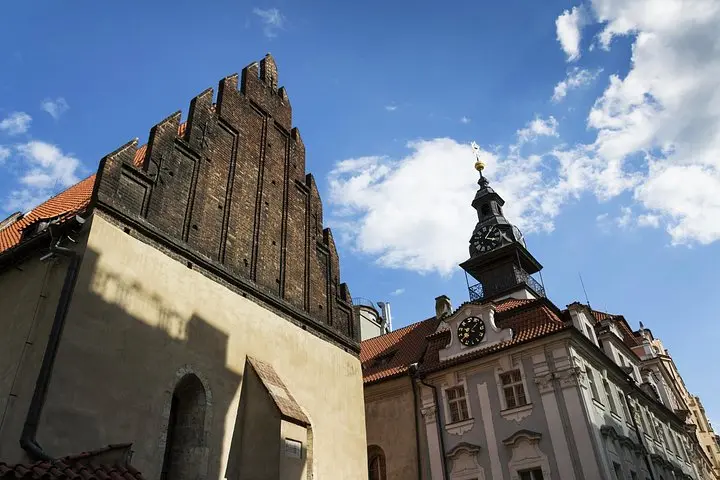
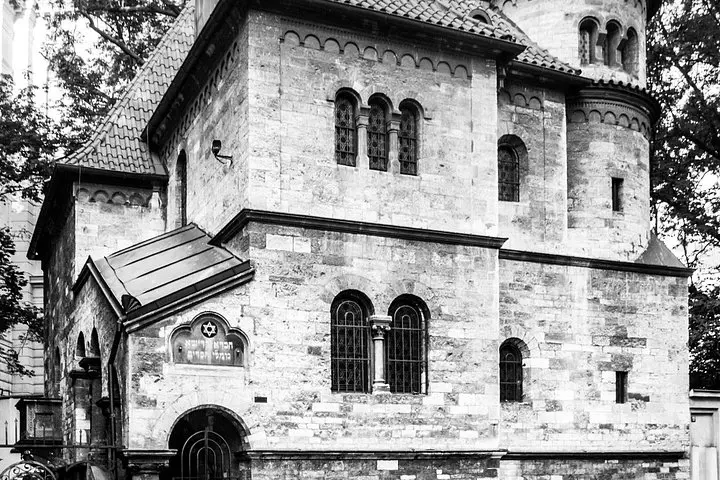
You step off a tram into a pocket of Prague where the stone changes its mood: the soft curves of Art Nouveau face the sharp facets of Cubism, and the city’s ornamented skin seems to rearrange itself as you walk.
You step off a tram into a pocket of Prague where the stone changes its mood: the soft curves of Art Nouveau face the sharp facets of Cubism, and the city’s ornamented skin seems to rearrange itself as you walk.
This three‑hour stroll focuses on Prague’s surge of creativity between 1890 and 1925, when the riverbank city reinvented its civic face. The guide traces how fin‑de‑siècle confidence and early 20th‑century modernism collided — from richly detailed façades and painted stuccoes to buildings that break into crystalline cubes and the rounded geometry of rondocubism.
Geology and urban form play a quiet role: the Vltava valley and compact medieval street grid forced architects to layer styles vertically and to use local sandstone and plaster finishes that weather into the patinated tones you see today. Cultural threads — nationalist revival, industrial growth and the Czech search for a modern identity — inform why Prague favored bold, new languages in stone and decorative arts.
Practical guidance: expect paved streets, some cobbles and short stair sections; wear supportive shoes and plan for 3–3.5 hours at an easy pace with frequent stops. Bring a camera with moderate zoom to capture façades and balconies; the guide will point out details easily missed from street level. Public transport links are excellent for arriving and departing; summer afternoons draw crowds, so morning slots are quieter. Take bottled water, a lightweight rain layer, and allow extra time to explore small courtyards and museum rooms if you want a closer look.