THE ADVENTURE COLLECTIVE® · Independent discovery and booking for outdoor travel

Explore Prague’s decisive turn-of-the-20th-century architecture on a three-hour walk that pairs Art Nouveau elegance with the sharp geometry of Cubism. A historian-led route highlights interiors, facades and the political stories carved into the city’s stone.
Explore Prague’s decisive turn-of-the-20th-century architecture on a three-hour walk that pairs Art Nouveau elegance with the sharp geometry of Cubism. A historian-led route highlights interiors, facades and the political stories carved into the city’s stone.
You step off the tram into a square where facades argue with one another — sinuous Art Nouveau flourishes brushing shoulders with the angular faces of Czech Cubism. The guide, a historian, opens the conversation at Municipal House; the city feels like a live textbook, streets and passages turning into annotated pages.
Verified experiences and guided adventures in the surrounding area.
Operated by Insight Cities · Prague, Prague
You step off the tram into a square where facades argue with one another — sinuous Art Nouveau flourishes brushing shoulders with the angular faces of Czech Cubism. The guide, a historian, opens the conversation at Municipal House; the city feels like a live textbook, streets and passages turning into annotated pages.
The route threads through early 20th-century Prague: first-wave Art Nouveau that answered bourgeois optimism with gilded domes and painted ceilings, then Cubism’s brief, radical reimagining of form applied to façades, interiors and even tableware. These styles emerged as Prague negotiated modernity and national identity during the Austro-Hungarian twilight and the birth of Czechoslovakia. Expect stops at Lucerna Passage and its music bar, the House of the Black Madonna’s Cubist interior, and the polished dome of Prague Main Train Station.
Geology is a quiet presence—granite and sandstone foundations that made close-knit streets possible—while cultural context matters: buildings double as political statements from the National Revival through interwar confidence. The guide interprets sculptural symbolism tied to Czech history and points out overlooked details: wrought-iron motifs, ceramic tiles, and Cubist corners that turn light into geometry.
Practical guide: bring comfortable shoes for cobbles, a small umbrella (weather is changeable), and a camera with a wide lens for interiors. The pace is conversational and accessible for most fitness levels; expect three hours and multiple short stops. Tours run year-round — spring and autumn offer crisp light for photos, summer brings crowds, and winter reveals interiors with fewer visitors. Arrive 10 minutes early to meet the group and check public-transport options nearby.
Meeting points are typically near Municipal House (Náměstí Republiky) or another central landmark; your confirmation will list the exact location and public-transport directions.
Yes—this is a low-impact walking tour with frequent stops; participants should be able to walk short distances and stand for brief explanations.
Most stops are exterior views and interior explanations from the guide; any paid admissions will be noted in the booking details or offered as optional extras.
This listing is typically led in English by a historian guide; check the booking page for language options or private-tour availability.
Insight Cities operates guided outdoor trips and adventures with an emphasis on safety, stewardship, and memorable experiences.
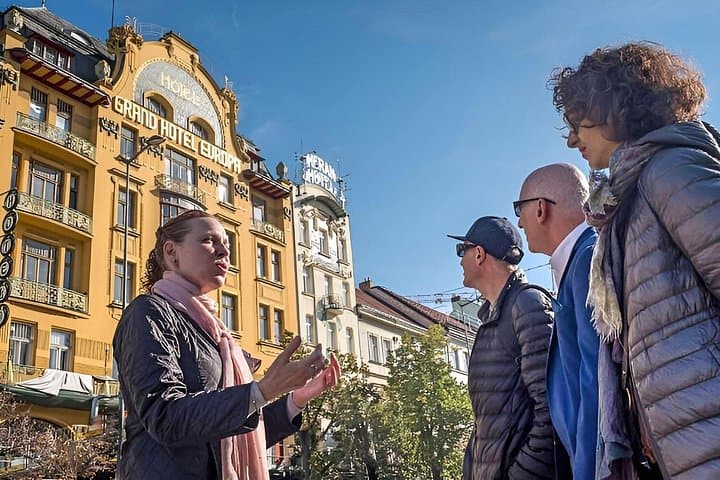
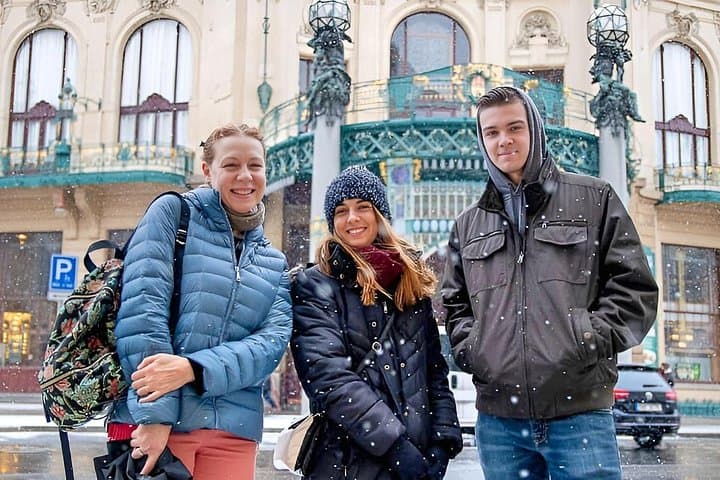
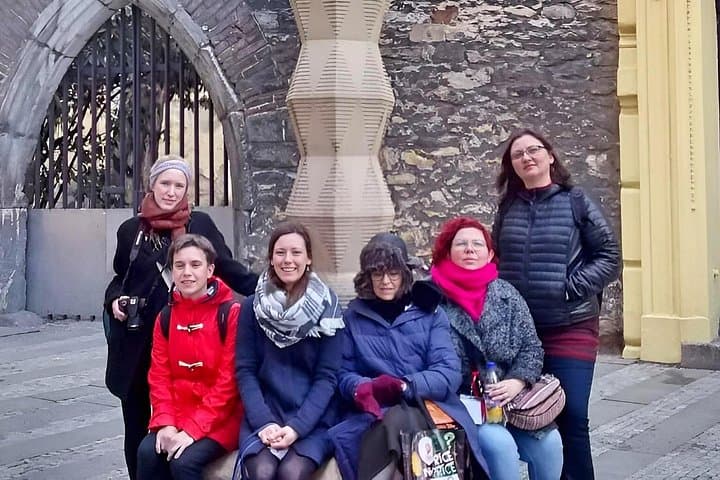
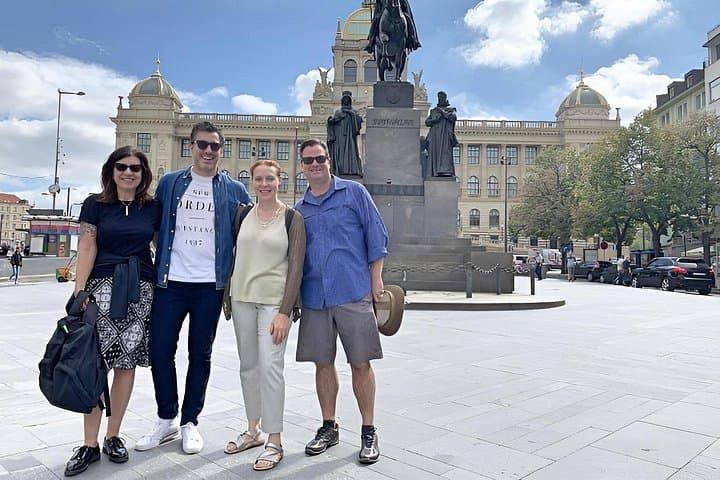
You step off the tram into a square where facades argue with one another — sinuous Art Nouveau flourishes brushing shoulders with the angular faces of Czech Cubism. The guide, a historian, opens the conversation at Municipal House; the city feels like a live textbook, streets and passages turning into annotated pages.
You step off the tram into a square where facades argue with one another — sinuous Art Nouveau flourishes brushing shoulders with the angular faces of Czech Cubism. The guide, a historian, opens the conversation at Municipal House; the city feels like a live textbook, streets and passages turning into annotated pages.
The route threads through early 20th-century Prague: first-wave Art Nouveau that answered bourgeois optimism with gilded domes and painted ceilings, then Cubism’s brief, radical reimagining of form applied to façades, interiors and even tableware. These styles emerged as Prague negotiated modernity and national identity during the Austro-Hungarian twilight and the birth of Czechoslovakia. Expect stops at Lucerna Passage and its music bar, the House of the Black Madonna’s Cubist interior, and the polished dome of Prague Main Train Station.
Geology is a quiet presence—granite and sandstone foundations that made close-knit streets possible—while cultural context matters: buildings double as political statements from the National Revival through interwar confidence. The guide interprets sculptural symbolism tied to Czech history and points out overlooked details: wrought-iron motifs, ceramic tiles, and Cubist corners that turn light into geometry.
Practical guide: bring comfortable shoes for cobbles, a small umbrella (weather is changeable), and a camera with a wide lens for interiors. The pace is conversational and accessible for most fitness levels; expect three hours and multiple short stops. Tours run year-round — spring and autumn offer crisp light for photos, summer brings crowds, and winter reveals interiors with fewer visitors. Arrive 10 minutes early to meet the group and check public-transport options nearby.