THE ADVENTURE COLLECTIVE® · Independent discovery and booking for outdoor travel

Walk through Prague Castle’s long arc of history—from the Royal Palace and St. Vitus Cathedral to the narrow houses of Golden Lane—then descend to Lesser Town and finish at Charles Bridge. This 3‑hour small-group tour mixes interiors with hilltop views and medieval streets.
Walk through Prague Castle’s long arc of history—from the Royal Palace and St. Vitus Cathedral to the narrow houses of Golden Lane—then descend to Lesser Town and finish at Charles Bridge. This 3‑hour small-group tour mixes interiors with hilltop views and medieval streets.
A low, cool morning fog lifts off the Vltava as the guide gathers the small group beneath baroque facades. They board a short coach ride up the hill; in a few minutes the gate opens and the stones of Prague Castle—polished by centuries of feet—begin to teach the day's lesson.
Verified experiences and guided adventures in the surrounding area.
Operated by Martin Tour Prague Ltd. · Prague, Prague
A low, cool morning fog lifts off the Vltava as the guide gathers the small group beneath baroque facades. They board a short coach ride up the hill; in a few minutes the gate opens and the stones of Prague Castle—polished by centuries of feet—begin to teach the day's lesson.
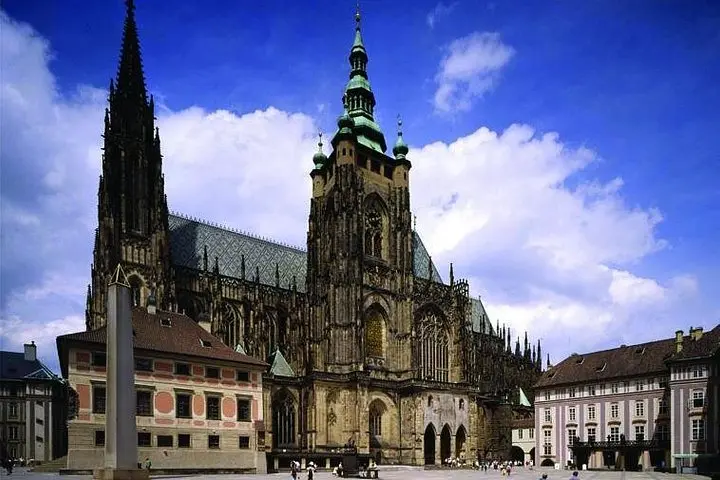
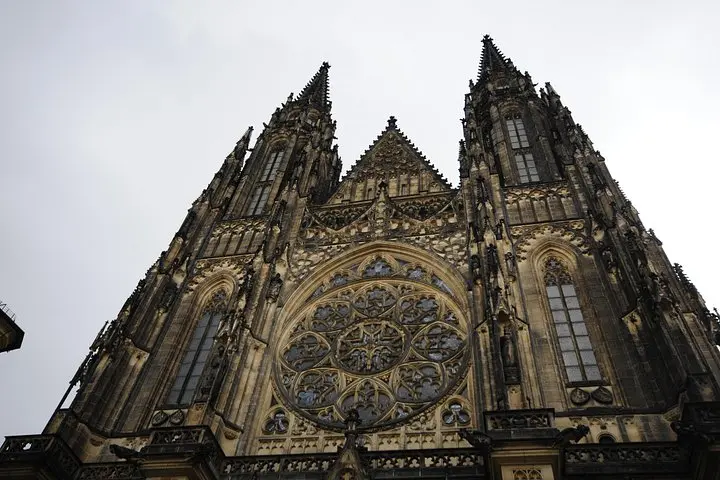
Prague Castle dates to the 9th century and grew over eras of Bohemian dukes, Holy Roman emperors, and Habsburg rulers into one of the largest castle complexes globally. Geology here is subtle: the castle crowns a volcanic ridge above the river, its walls built from local sandstone and quarried blocks that have weathered Prague’s continental seasons. Culturally, the complex mixes Gothic spires of St. Vitus Cathedral, Romanesque basilicas, Renaissance palaces and narrow Golden Lane houses where artisans once worked for the court.
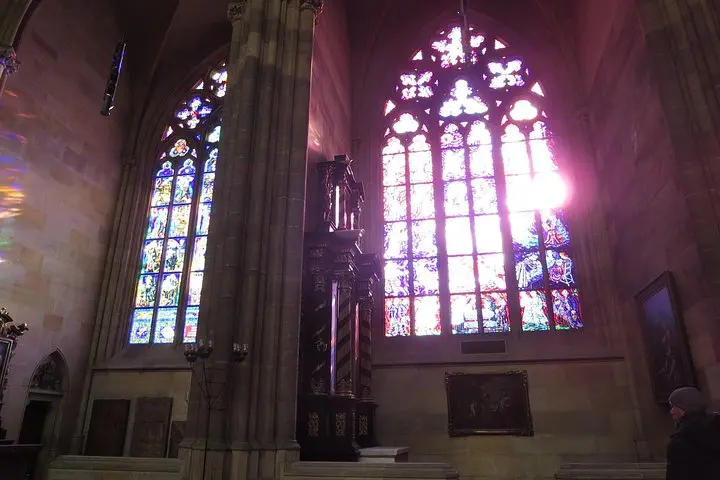
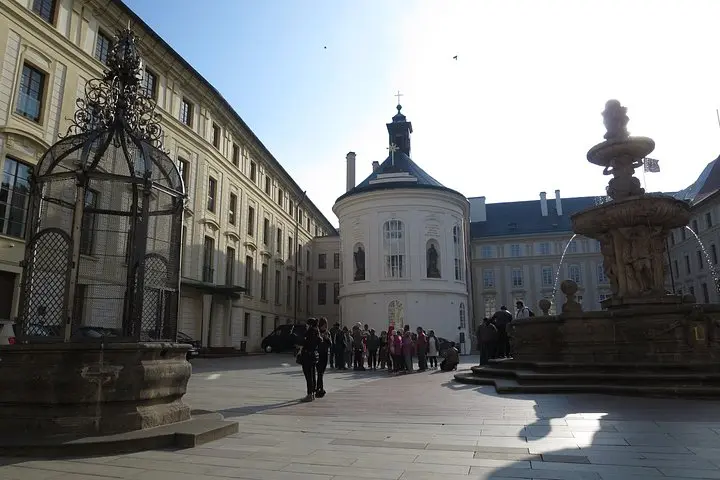
The tour moves from the Royal Palace’s ceremonial rooms into the cathedral’s soaring nave, then down to St. George’s Basilica and the intimate, storybook Golden Lane. Descending the castle stairs into Lesser Town, the route threads narrow alleys before spilling onto the iconic Charles Bridge.
Practical guidance: wear non-slip walking shoes for cobbles and steep steps; expect security checks at interior entrances and bring a mobile ticket. Allow about three hours, and plan for variable weather—rain can make stairs slick. Early starts reduce crowds in the cathedral and Golden Lane; keep valuables close in busy areas. Mind interpretive signs and help preserve mosaics and frescoes by avoiding touching fragile surfaces.
The listing indicates interiors are visited and notes fees and taxes—confirm on the booking page whether admissions are explicitly included before purchase.
The operator lists stroller accessibility for infants, but steep stairs and some uneven surfaces make full wheelchair access limited—contact the provider to confirm accommodations.
Prague trams, particularly lines 22 and 23, serve the castle precinct; get off at the Pražský hrad (Prague Castle) stop and follow signage to the meeting point.
Photography rules vary by interior; non-flash photos are usually allowed in some spaces and restricted in others—follow posted signs and staff instructions.
Martin Tour Prague Ltd. operates guided outdoor trips and adventures with an emphasis on safety, stewardship, and memorable experiences.
A low, cool morning fog lifts off the Vltava as the guide gathers the small group beneath baroque facades. They board a short coach ride up the hill; in a few minutes the gate opens and the stones of Prague Castle—polished by centuries of feet—begin to teach the day's lesson.
A low, cool morning fog lifts off the Vltava as the guide gathers the small group beneath baroque facades. They board a short coach ride up the hill; in a few minutes the gate opens and the stones of Prague Castle—polished by centuries of feet—begin to teach the day's lesson.
Prague Castle dates to the 9th century and grew over eras of Bohemian dukes, Holy Roman emperors, and Habsburg rulers into one of the largest castle complexes globally. Geology here is subtle: the castle crowns a volcanic ridge above the river, its walls built from local sandstone and quarried blocks that have weathered Prague’s continental seasons. Culturally, the complex mixes Gothic spires of St. Vitus Cathedral, Romanesque basilicas, Renaissance palaces and narrow Golden Lane houses where artisans once worked for the court.
The tour moves from the Royal Palace’s ceremonial rooms into the cathedral’s soaring nave, then down to St. George’s Basilica and the intimate, storybook Golden Lane. Descending the castle stairs into Lesser Town, the route threads narrow alleys before spilling onto the iconic Charles Bridge.
Practical guidance: wear non-slip walking shoes for cobbles and steep steps; expect security checks at interior entrances and bring a mobile ticket. Allow about three hours, and plan for variable weather—rain can make stairs slick. Early starts reduce crowds in the cathedral and Golden Lane; keep valuables close in busy areas. Mind interpretive signs and help preserve mosaics and frescoes by avoiding touching fragile surfaces.