THE ADVENTURE COLLECTIVE® · Independent discovery and booking for outdoor travel

Walk through Prague’s late-20th-century history on a three-hour private tour from the Museum of Communism to Wenceslas Square and the Jan Palach memorial. Expect grounded political context, urban sights, and practical insights into life behind the Iron Curtain.
Walk through Prague’s late-20th-century history on a three-hour private tour from the Museum of Communism to Wenceslas Square and the Jan Palach memorial. Expect grounded political context, urban sights, and practical insights into life behind the Iron Curtain.
You step off the tram into a Prague that still remembers gray uniforms and whispered conversations—cobblestones clicking beneath your boots, facades that watched demonstrations, and the Museum of Communism’s glass face reflecting a city that moved from oppression to open squares.
Verified experiences and guided adventures in the surrounding area.
Operated by Supreme Prague · Prague, Prague
You step off the tram into a Prague that still remembers gray uniforms and whispered conversations—cobblestones clicking beneath your boots, facades that watched demonstrations, and the Museum of Communism’s glass face reflecting a city that moved from oppression to open squares.
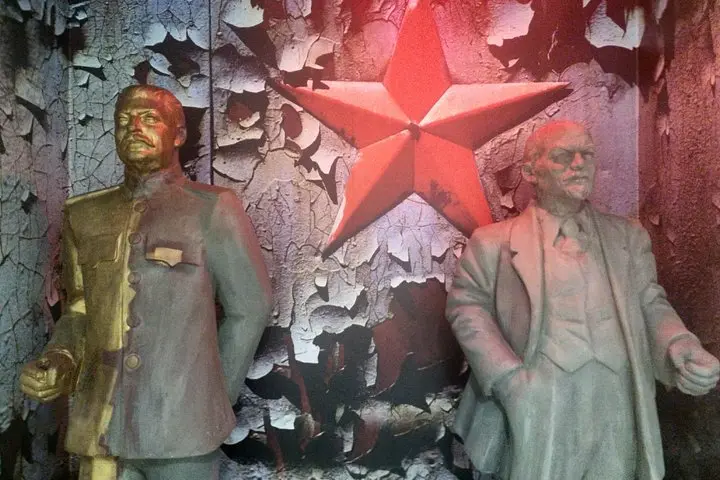
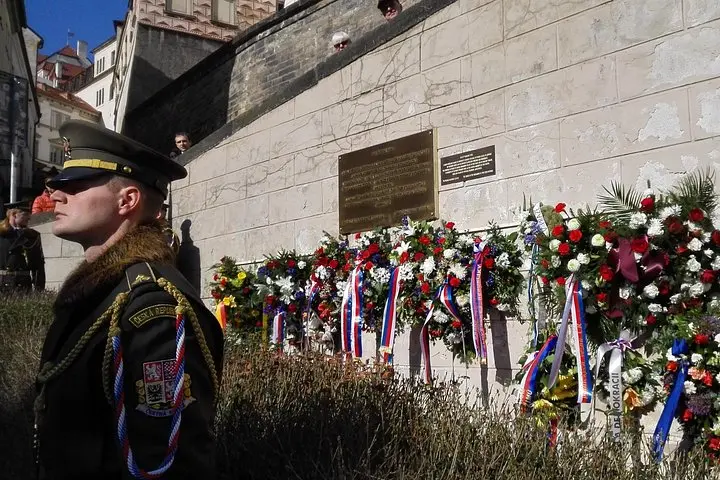
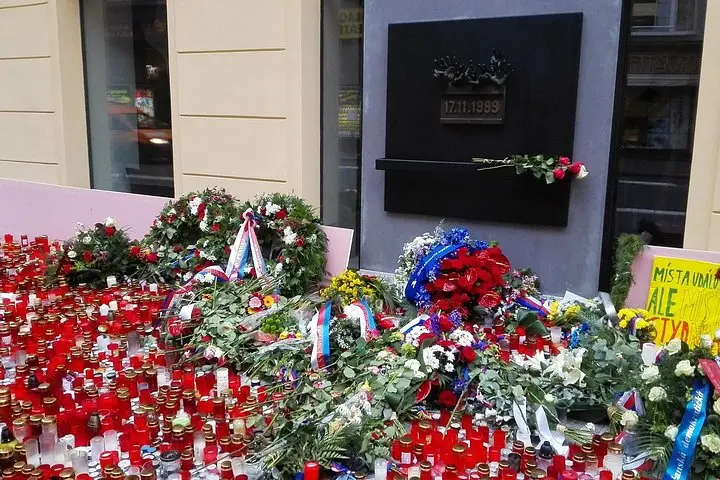
The three-hour walk begins inside the Museum of Communism (admission not included) where displays outline daily life under the Czechoslovak socialist regime—rationing, propaganda, and surveillance. From there the route threads through Wenceslas Square, National Avenue and the narrow streets where dissidents organized. The tour pauses at the Jan Palach memorial, a site that marks the human cost of resistance and helped ignite the Velvet Revolution of 1989.
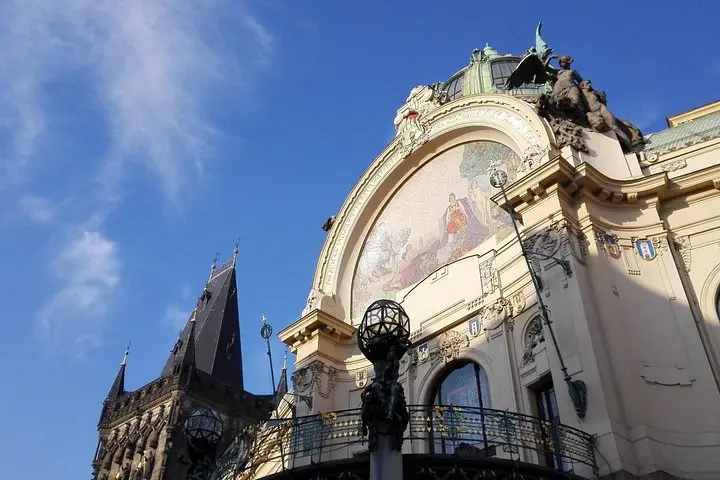
Geologically Prague sits on ancient Bohemian Massif rock; the city’s raised plateaus and river terraces shaped where bridges and boulevards now run. Culturally, the legacy of 20th-century upheaval is visible in architecture: Stalinist blocks, austere government buildings and ornate Art Nouveau nearby.
Expect mostly level walking on historic paving with short, stepless curbs; wheelchair-accessible routing is available but confirm when booking. This private tour emphasizes context—political events, everyday survival strategies and the symbolism of protest sites—so bring questions. Practicalities: museum entry fee is separate, public transport stops are close, and the guide will work in English. Wear grippy shoes for cobbles, layer for sudden Czech weather, and budget time after the tour to revisit museum exhibits or linger on Wenceslas Square—Prague’s streets keep telling stories long after the guide signs off.
No—museum entry is not included in the tour price; you should buy tickets separately or arrive early to purchase on site.
The tour notes wheelchair accessibility and accessible transportation options, but confirm at booking so the guide can plan the route accordingly.
This listing typically provides an English-speaking guide; check the operator’s booking page for other language options.
Yes—stroller access is indicated, but expect some narrow sidewalks and cobbles; a compact stroller works best.
Supreme Prague operates guided outdoor trips and adventures with an emphasis on safety, stewardship, and memorable experiences.
You step off the tram into a Prague that still remembers gray uniforms and whispered conversations—cobblestones clicking beneath your boots, facades that watched demonstrations, and the Museum of Communism’s glass face reflecting a city that moved from oppression to open squares.
You step off the tram into a Prague that still remembers gray uniforms and whispered conversations—cobblestones clicking beneath your boots, facades that watched demonstrations, and the Museum of Communism’s glass face reflecting a city that moved from oppression to open squares.
The three-hour walk begins inside the Museum of Communism (admission not included) where displays outline daily life under the Czechoslovak socialist regime—rationing, propaganda, and surveillance. From there the route threads through Wenceslas Square, National Avenue and the narrow streets where dissidents organized. The tour pauses at the Jan Palach memorial, a site that marks the human cost of resistance and helped ignite the Velvet Revolution of 1989.
Geologically Prague sits on ancient Bohemian Massif rock; the city’s raised plateaus and river terraces shaped where bridges and boulevards now run. Culturally, the legacy of 20th-century upheaval is visible in architecture: Stalinist blocks, austere government buildings and ornate Art Nouveau nearby.
Expect mostly level walking on historic paving with short, stepless curbs; wheelchair-accessible routing is available but confirm when booking. This private tour emphasizes context—political events, everyday survival strategies and the symbolism of protest sites—so bring questions. Practicalities: museum entry fee is separate, public transport stops are close, and the guide will work in English. Wear grippy shoes for cobbles, layer for sudden Czech weather, and budget time after the tour to revisit museum exhibits or linger on Wenceslas Square—Prague’s streets keep telling stories long after the guide signs off.