THE ADVENTURE COLLECTIVE® · Independent discovery and booking for outdoor travel

Learn Czech food by doing: taste seasonal snacks, cook a simple traditional dish, and finish with a hearty main prepared by the host. This intimate 3.5-hour session blends tasting, storytelling and hands-on cooking in central Prague.
Learn Czech food by doing: taste seasonal snacks, cook a simple traditional dish, and finish with a hearty main prepared by the host. This intimate 3.5-hour session blends tasting, storytelling and hands-on cooking in central Prague.
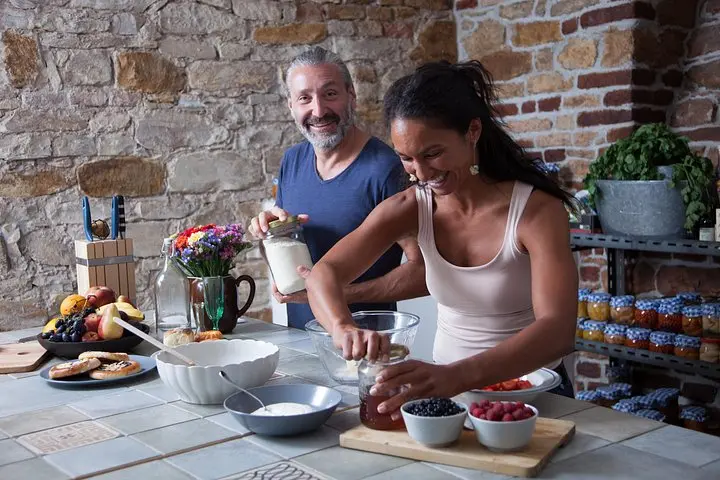
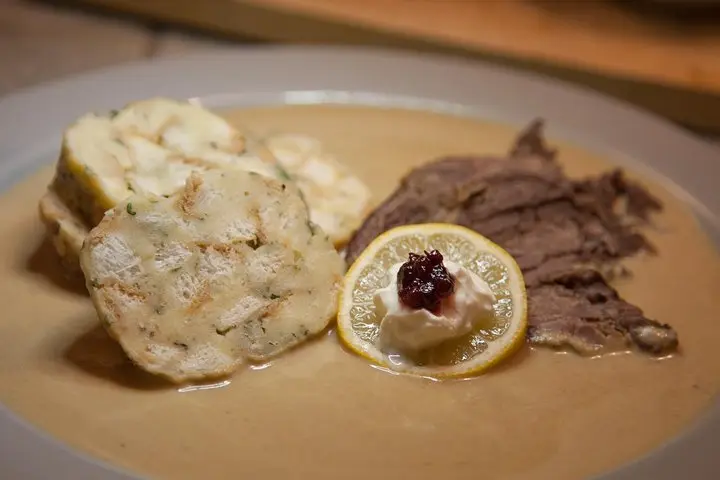
A low-stone threshold opens onto a warm kitchen in central Prague: wood smoke from a simmering svíčková breathes into the room, jars of pickles crowd the windowsill, and a small group leans into a hands-on lesson about dumplings. The experience places food at the center of a cultural conversation—recipes, seasonal ingredients, and the social rituals of Czech dining all find space at the same table.
Verified experiences and guided adventures in the surrounding area.
Operated by Good Mood Food · Prague, Prague
A low-stone threshold opens onto a warm kitchen in central Prague: wood smoke from a simmering svíčková breathes into the room, jars of pickles crowd the windowsill, and a small group leans into a hands-on lesson about dumplings. The experience places food at the center of a cultural conversation—recipes, seasonal ingredients, and the social rituals of Czech dining all find space at the same table.
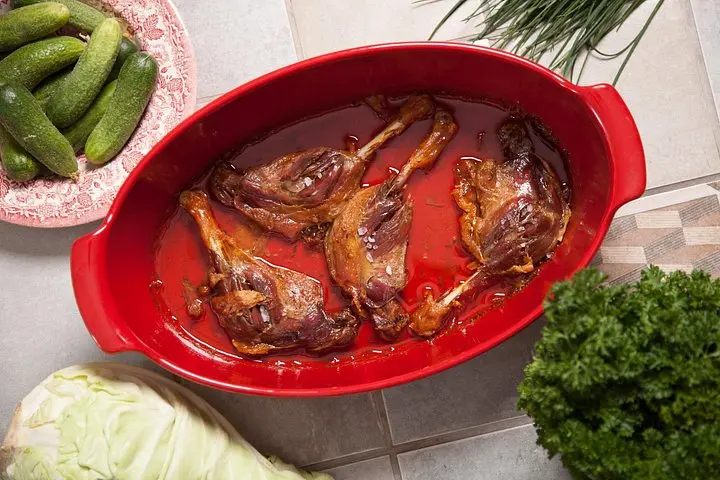
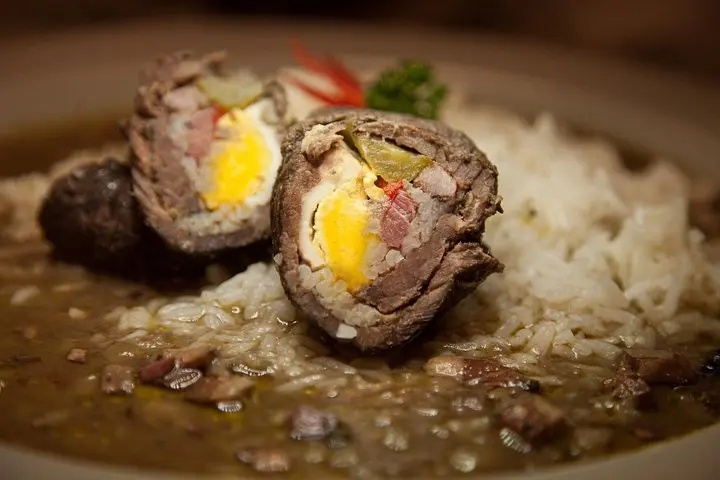
Czech cuisine has rural roots shaped by grain, root vegetables, preserved produce and the legacy of Austro-Hungarian trade. Bread dumplings, fruit-filled knedlíky and hearty meat stews evolved from peasant practicality and regional specialty. The Vltava’s river markets and Prague’s urban taverns historically connected farmers and cooks; that marketplace lineage still informs seasonal menus.
Participants can expect a structured 3.5-hour session with tasting plates, a short cooking segment where guests prepare one simple starter or side, and a main prepared by hosts. Instruction includes wine and fruit brandy tastings and stories about technique and tradition. The setting is intimate—small groups, conversational pacing, and a mix of standing prep and seated tasting.
Practical notes: arrive with dietary needs communicated in advance, wear comfortable shoes and come hungry; hands-on segments are suitable for novices but involve basic knife and stovetop tasks. Public transport serves central meeting points and the neighborhood can be walked between markets and historic sites after the class.
This experience is both a cultural primer and a practical lesson—plan for eating, learning, and leaving with a few recipes and a clearer sense of how Czech food ties people, seasons and place together.
Yes—most hosts can adapt dishes if you request dietary accommodations when booking; always confirm ahead of time.
The session is typically led in English; hosts often speak additional languages but verify if you need another language.
Absolutely—this is designed for novice cooks and focuses on simple, traditional recipes and hands-on guidance.
Public transport is nearby and hosts provide a specific address; allow extra time for trams or metro and check real-time schedules.
Good Mood Food operates guided outdoor trips and adventures with an emphasis on safety, stewardship, and memorable experiences.
A low-stone threshold opens onto a warm kitchen in central Prague: wood smoke from a simmering svíčková breathes into the room, jars of pickles crowd the windowsill, and a small group leans into a hands-on lesson about dumplings. The experience places food at the center of a cultural conversation—recipes, seasonal ingredients, and the social rituals of Czech dining all find space at the same table.
A low-stone threshold opens onto a warm kitchen in central Prague: wood smoke from a simmering svíčková breathes into the room, jars of pickles crowd the windowsill, and a small group leans into a hands-on lesson about dumplings. The experience places food at the center of a cultural conversation—recipes, seasonal ingredients, and the social rituals of Czech dining all find space at the same table.
Czech cuisine has rural roots shaped by grain, root vegetables, preserved produce and the legacy of Austro-Hungarian trade. Bread dumplings, fruit-filled knedlíky and hearty meat stews evolved from peasant practicality and regional specialty. The Vltava’s river markets and Prague’s urban taverns historically connected farmers and cooks; that marketplace lineage still informs seasonal menus.
Participants can expect a structured 3.5-hour session with tasting plates, a short cooking segment where guests prepare one simple starter or side, and a main prepared by hosts. Instruction includes wine and fruit brandy tastings and stories about technique and tradition. The setting is intimate—small groups, conversational pacing, and a mix of standing prep and seated tasting.
Practical notes: arrive with dietary needs communicated in advance, wear comfortable shoes and come hungry; hands-on segments are suitable for novices but involve basic knife and stovetop tasks. Public transport serves central meeting points and the neighborhood can be walked between markets and historic sites after the class.
This experience is both a cultural primer and a practical lesson—plan for eating, learning, and leaving with a few recipes and a clearer sense of how Czech food ties people, seasons and place together.