THE ADVENTURE COLLECTIVE® · Independent discovery and booking for outdoor travel

Walk Prague’s old streets and taste dishes that map the city’s social history. This guided tasting tour focuses on authentic Czech flavors shaped by medieval trade, Habsburg influence, industrialism and communism.
Walk Prague’s old streets and taste dishes that map the city’s social history. This guided tasting tour focuses on authentic Czech flavors shaped by medieval trade, Habsburg influence, industrialism and communism.
Cobblestones and steam meet at the first stop: a narrow passage where the smell of fried dough and dark-roasted coffee hangs over the morning crowd. The guide leads a small group past stone façades and under iron signs, pausing at counters where small plates and pints are served in quick succession.
Verified experiences and guided adventures in the surrounding area.
Operated by Local Food Tour · Prague, Prague
Cobblestones and steam meet at the first stop: a narrow passage where the smell of fried dough and dark-roasted coffee hangs over the morning crowd. The guide leads a small group past stone façades and under iron signs, pausing at counters where small plates and pints are served in quick succession.
This is a walking food tour that traces how Czech tastes evolved over a thousand years — from coarse medieval porridges and preserved meats through Habsburg-era pastries and Central European spice trade influences, to the rationed, hearty plates of the 20th century and today’s craft-beer revival. Prague’s location on the Vltava and the Bohemian uplands made it a crossroads for ingredients and techniques; those trade routes are still readable in the city’s snacks and cafés.
Expect about 3–4 hours of urban walking with multiple small tastings: modern snacks in a gourmet passage, starters at a local restaurant, a history-rich stroll linking food and events, a small-plate meal in a converted bank, and dessert at a First Republic–style café. The group moves at an easy pace but stands and eats frequently.
Practical edge: wear comfortable shoes for uneven cobbles, bring a light rain layer, and come hungry but not stuffed — portions are sampling-sized. Public transport is nearby and the tour operates in English; notify the operator of strong dietary restrictions in advance. This tour is best for anyone curious about the social history behind flavors and for travelers who prefer authentic, local-driven food over tourist staples.
Inform the operator at booking — some tastings can be adapted, but this tour emphasizes traditional dishes that are often meat-based.
Yes; the pace is easy and portions are small, but some stops serve alcohol so check age policies with the operator.
Expect a few kilometers total at a relaxed pace with frequent stops for tastings and explanations.
Most central Prague vendors accept cards and cash; carry small bills for markets or informal vendors just in case.
Local Food Tour operates guided outdoor trips and adventures with an emphasis on safety, stewardship, and memorable experiences.
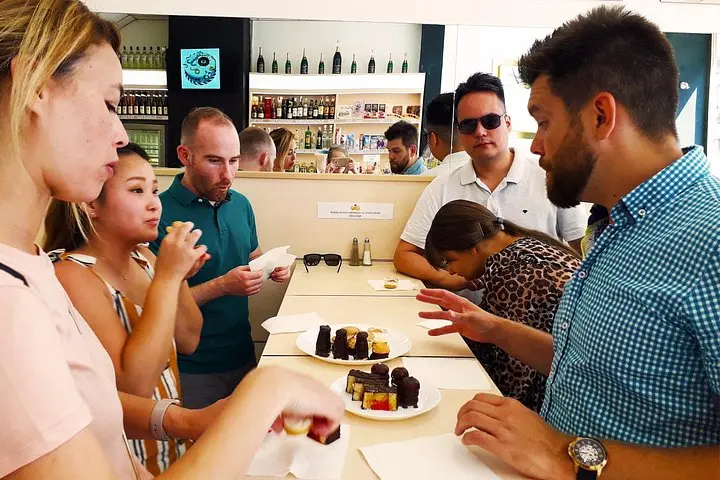
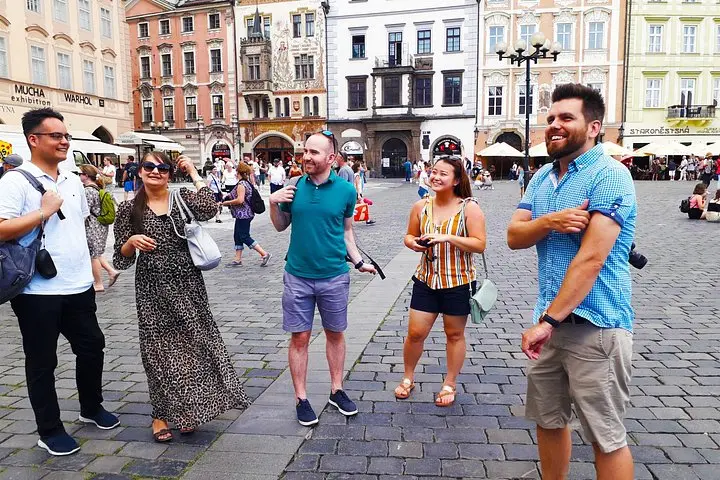
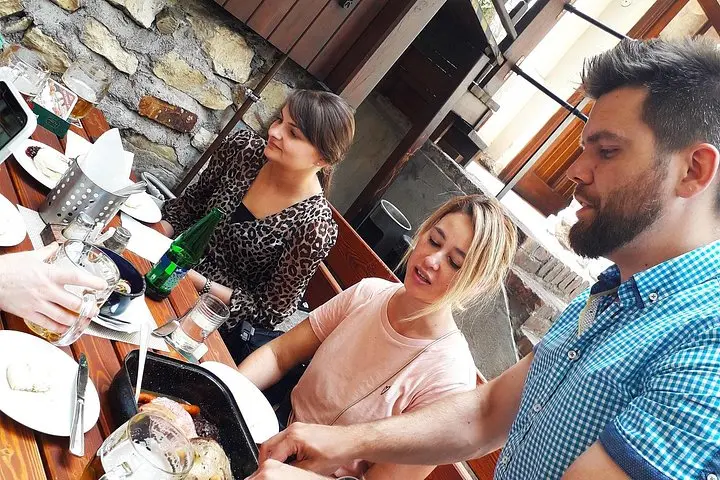
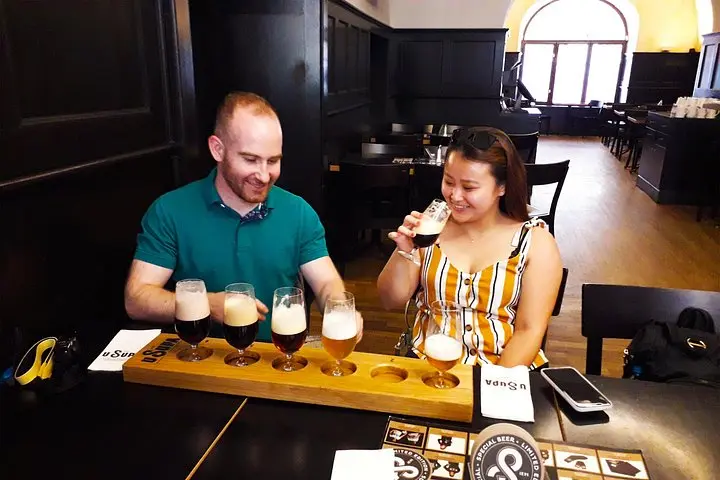
Cobblestones and steam meet at the first stop: a narrow passage where the smell of fried dough and dark-roasted coffee hangs over the morning crowd. The guide leads a small group past stone façades and under iron signs, pausing at counters where small plates and pints are served in quick succession.
Cobblestones and steam meet at the first stop: a narrow passage where the smell of fried dough and dark-roasted coffee hangs over the morning crowd. The guide leads a small group past stone façades and under iron signs, pausing at counters where small plates and pints are served in quick succession.
This is a walking food tour that traces how Czech tastes evolved over a thousand years — from coarse medieval porridges and preserved meats through Habsburg-era pastries and Central European spice trade influences, to the rationed, hearty plates of the 20th century and today’s craft-beer revival. Prague’s location on the Vltava and the Bohemian uplands made it a crossroads for ingredients and techniques; those trade routes are still readable in the city’s snacks and cafés.
Expect about 3–4 hours of urban walking with multiple small tastings: modern snacks in a gourmet passage, starters at a local restaurant, a history-rich stroll linking food and events, a small-plate meal in a converted bank, and dessert at a First Republic–style café. The group moves at an easy pace but stands and eats frequently.
Practical edge: wear comfortable shoes for uneven cobbles, bring a light rain layer, and come hungry but not stuffed — portions are sampling-sized. Public transport is nearby and the tour operates in English; notify the operator of strong dietary restrictions in advance. This tour is best for anyone curious about the social history behind flavors and for travelers who prefer authentic, local-driven food over tourist staples.