THE ADVENTURE COLLECTIVE® · Independent discovery and booking for outdoor travel

Thread narrow alleyways and quiet courtyards on a three-hour guided walk through Prague’s lesser-known corners. From cubist façades to Vyšehrad’s river overlook, discover the city’s layered history away from the tourist crush.
Thread narrow alleyways and quiet courtyards on a three-hour guided walk through Prague’s lesser-known corners. From cubist façades to Vyšehrad’s river overlook, discover the city’s layered history away from the tourist crush.
You meet at Old Town Square as bells knell above narrow, uneven cobbles; the air smells faintly of coffee and river water. The guide threads you into alleys where shadows keep older stories—cubist façades wink from unexpected corners, baroque spires puncture the skyline, and the Vltava slides below, quietly setting the city’s tempo.
Verified experiences and guided adventures in the surrounding area.
Operated by Explore Prague · Prague, Prague
You meet at Old Town Square as bells knell above narrow, uneven cobbles; the air smells faintly of coffee and river water. The guide threads you into alleys where shadows keep older stories—cubist façades wink from unexpected corners, baroque spires puncture the skyline, and the Vltava slides below, quietly setting the city’s tempo.
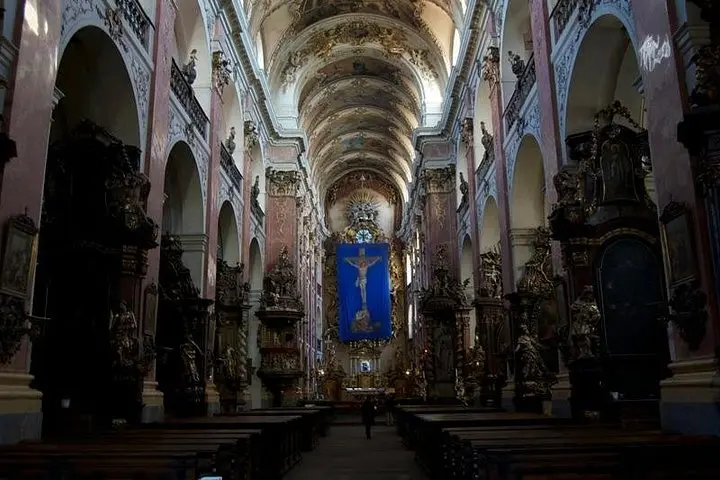
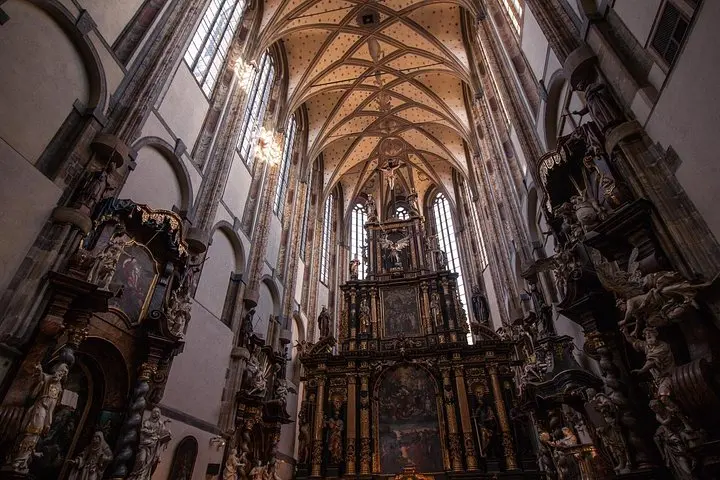
This three-hour walk traces layers of Prague’s history: medieval markets that grew into imperial boulevards, the House of the Black Madonna marking the city’s rare cubist phase, and Vyšehrad’s rocky promontory where early Bohemian princes fortified the bend in the river. Geology shows in river terraces and the exposed bedrock at Vyšehrad; culturally, you’ll pass churches and monasteries that shaped religious and civic life for centuries.
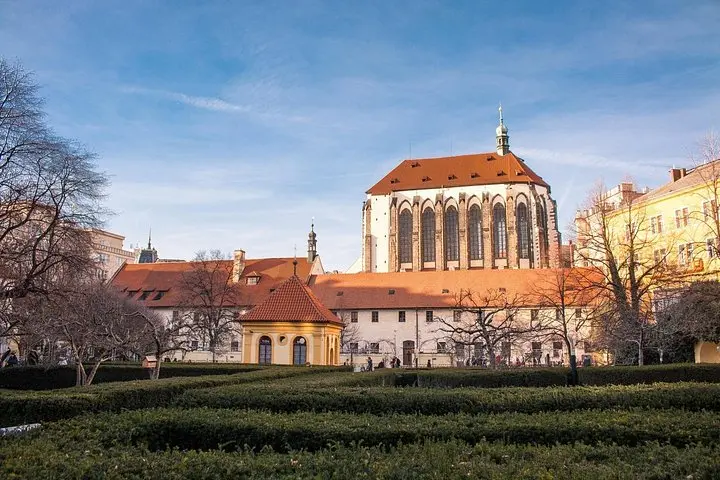
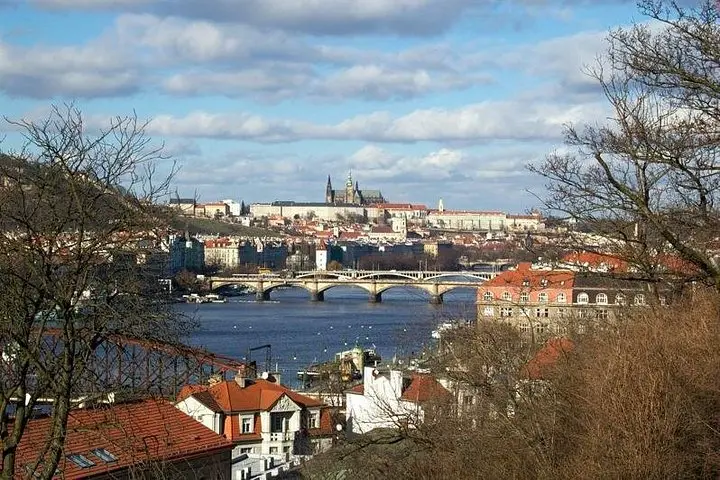
Expect compact blocks, stair runs and occasional narrow courtyards that the guide uses to tell stories of kings, craftsmen and 20th-century uprisings. The route stops at Emmaus Monastery and lesser-known gardens, closing on a river viewpoint that reframes the city.
Practical side: bring comfortable walking shoes, a light rain layer and a small bottle of water. Public transport hubs sit close to the start and end points if you want to shorten the route. Photography is excellent in the morning and late afternoon when light softens stone and reduces crowds. The tour is paced for a moderately fit walker; wear shoes that handle cobbles and stairs, and leave bulky luggage at your hotel—many historic streets are pedestrian-only.
The meeting point is Old Town Square; the tour finishes at Vyšehrad with a riverside viewpoint and easy public transport options nearby.
Children are welcome but strollers can be difficult on cobbled streets and stairs; carriers are recommended for very young children.
Some entrances (like Emmaus Monastery) may require a separate admission which is noted in the itinerary—check with your booking for specifics.
This standard shared tour is guided in the listed language on the booking page and groups are capped (typically up to 15 travelers) for an intimate experience.
Explore Prague operates guided outdoor trips and adventures with an emphasis on safety, stewardship, and memorable experiences.
You meet at Old Town Square as bells knell above narrow, uneven cobbles; the air smells faintly of coffee and river water. The guide threads you into alleys where shadows keep older stories—cubist façades wink from unexpected corners, baroque spires puncture the skyline, and the Vltava slides below, quietly setting the city’s tempo.
You meet at Old Town Square as bells knell above narrow, uneven cobbles; the air smells faintly of coffee and river water. The guide threads you into alleys where shadows keep older stories—cubist façades wink from unexpected corners, baroque spires puncture the skyline, and the Vltava slides below, quietly setting the city’s tempo.
This three-hour walk traces layers of Prague’s history: medieval markets that grew into imperial boulevards, the House of the Black Madonna marking the city’s rare cubist phase, and Vyšehrad’s rocky promontory where early Bohemian princes fortified the bend in the river. Geology shows in river terraces and the exposed bedrock at Vyšehrad; culturally, you’ll pass churches and monasteries that shaped religious and civic life for centuries.
Expect compact blocks, stair runs and occasional narrow courtyards that the guide uses to tell stories of kings, craftsmen and 20th-century uprisings. The route stops at Emmaus Monastery and lesser-known gardens, closing on a river viewpoint that reframes the city.
Practical side: bring comfortable walking shoes, a light rain layer and a small bottle of water. Public transport hubs sit close to the start and end points if you want to shorten the route. Photography is excellent in the morning and late afternoon when light softens stone and reduces crowds. The tour is paced for a moderately fit walker; wear shoes that handle cobbles and stairs, and leave bulky luggage at your hotel—many historic streets are pedestrian-only.