THE ADVENTURE COLLECTIVE® · Independent discovery and booking for outdoor travel

Walk the streets that shaped Prague: a guided small-group tour that moves from Old Town Square to the Jewish Quarter, blending medieval history, cultural context, and practical local tips for first-time visitors.
Walk the streets that shaped Prague: a guided small-group tour that moves from Old Town Square to the Jewish Quarter, blending medieval history, cultural context, and practical local tips for first-time visitors.
You step out onto flagstones that remember centuries of traffic—horse hooves, marching boots, modern footsteps—while the Old Town Square opens like a theater. The Astronomical Clock ticks overhead, church spires puncture a cool sky, and the guide threads stories between buildings whose façades keep secrets about revolutions, religion, and music.
Verified experiences and guided adventures in the surrounding area.
Operated by Heart of Europe · Prague, Prague
You step out onto flagstones that remember centuries of traffic—horse hooves, marching boots, modern footsteps—while the Old Town Square opens like a theater. The Astronomical Clock ticks overhead, church spires puncture a cool sky, and the guide threads stories between buildings whose façades keep secrets about revolutions, religion, and music.
This compact walk moves from the medieval heart of the city through New Town’s bustling lanes and into Josefov, Prague’s Jewish Quarter. Expect talk of Jan Hus and the Hussite era in the Square, an explanation of the astrolabe-style clockwork, and quieter, heavier history in the synagogues and the Old Jewish Cemetery—places that chart both cultural achievement and painful episodes of European history. The Vltava River slices the city’s geology into gentle hills; Prague Castle perches on higher ground, a visible landmark that anchors the cityscape.
Along the route you’ll hear about Prague’s café culture, its brewing traditions and the city’s role in Central European literature—Kafka’s name will appear more than once. Guides typically end near Rudolfinum with a view back toward the castle and the river.
Practical guidance: the tour is mostly on cobbles and low steps—comfortable walking shoes are essential. Public transport connects easily to meeting points; carry a small amount of cash for tram tickets and occasional entry fees. Morning departures beat the crush at the Astronomical Clock; allow time afterward for a self-guided visit into museums or a riverside break. Respect memorial sites in Josefov—photograph thoughtfully and keep voices low.
The tour lasts about 2.5–3 hours and covers roughly 2–3 kilometers (1.5–2 miles) at a leisurely walking pace with stops.
This specific small-group tour includes a guided walk and commentary; admissions to paid museums or synagogue interiors are typically not included—check with the operator for upgrade options.
Yes—this tour is listed as stroller-accessible and suitable for a wide range of fitness levels, but cobblestones can make pushing a stroller awkward.
This listing provides an English-speaking certified guide; private multilingual options may be available on request.
Heart of Europe operates guided outdoor trips and adventures with an emphasis on safety, stewardship, and memorable experiences.
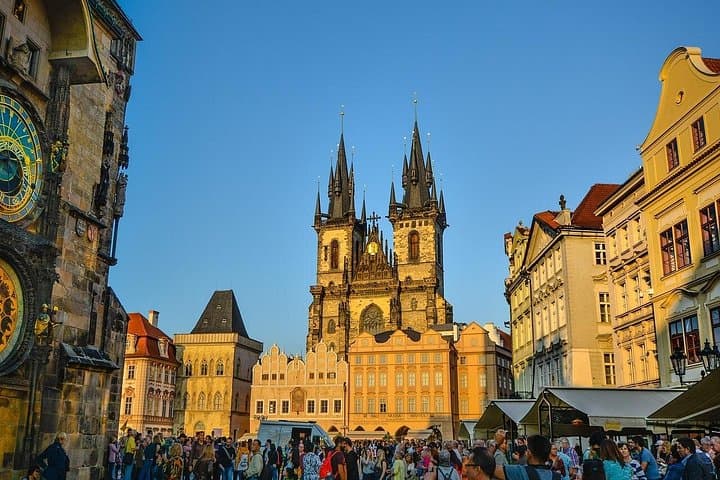
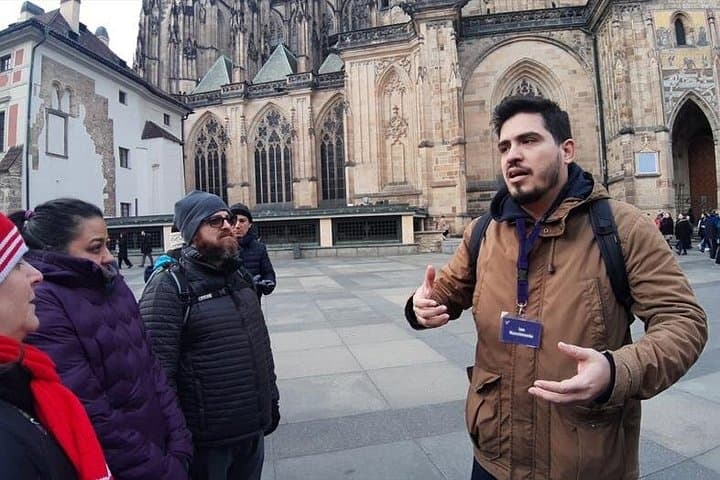
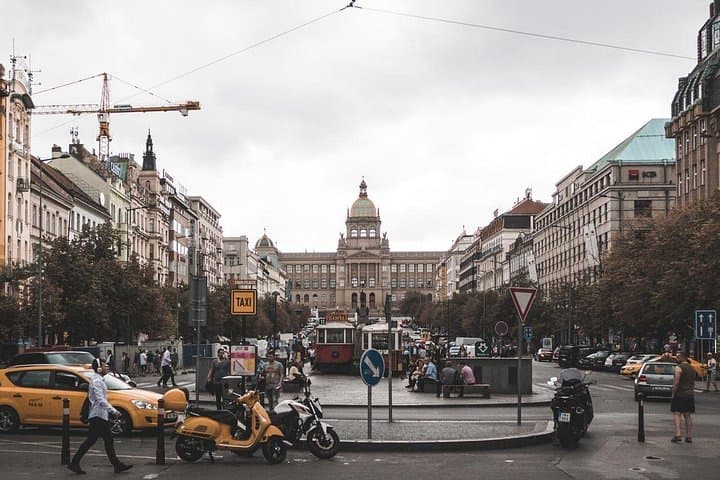
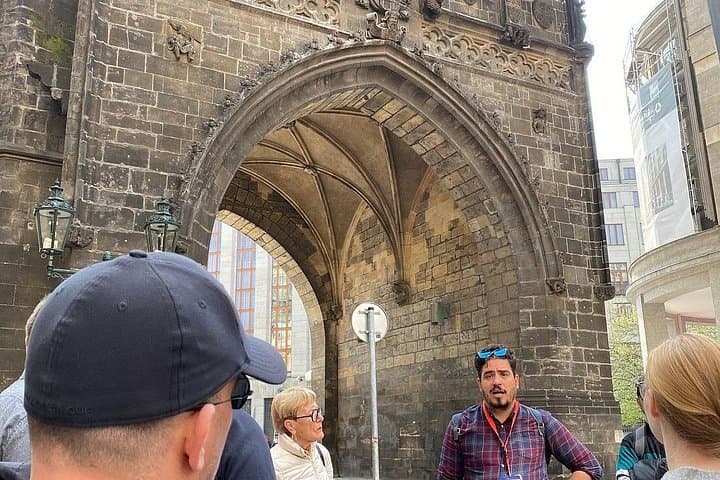
You step out onto flagstones that remember centuries of traffic—horse hooves, marching boots, modern footsteps—while the Old Town Square opens like a theater. The Astronomical Clock ticks overhead, church spires puncture a cool sky, and the guide threads stories between buildings whose façades keep secrets about revolutions, religion, and music.
You step out onto flagstones that remember centuries of traffic—horse hooves, marching boots, modern footsteps—while the Old Town Square opens like a theater. The Astronomical Clock ticks overhead, church spires puncture a cool sky, and the guide threads stories between buildings whose façades keep secrets about revolutions, religion, and music.
This compact walk moves from the medieval heart of the city through New Town’s bustling lanes and into Josefov, Prague’s Jewish Quarter. Expect talk of Jan Hus and the Hussite era in the Square, an explanation of the astrolabe-style clockwork, and quieter, heavier history in the synagogues and the Old Jewish Cemetery—places that chart both cultural achievement and painful episodes of European history. The Vltava River slices the city’s geology into gentle hills; Prague Castle perches on higher ground, a visible landmark that anchors the cityscape.
Along the route you’ll hear about Prague’s café culture, its brewing traditions and the city’s role in Central European literature—Kafka’s name will appear more than once. Guides typically end near Rudolfinum with a view back toward the castle and the river.
Practical guidance: the tour is mostly on cobbles and low steps—comfortable walking shoes are essential. Public transport connects easily to meeting points; carry a small amount of cash for tram tickets and occasional entry fees. Morning departures beat the crush at the Astronomical Clock; allow time afterward for a self-guided visit into museums or a riverside break. Respect memorial sites in Josefov—photograph thoughtfully and keep voices low.