THE ADVENTURE COLLECTIVE® · Independent discovery and booking for outdoor travel

Journey from Prague to Budapest with a relaxed private transfer that includes a guided stop in Bratislava. Expect comfortable vehicles, a 3‑hour city visit, and scenic driving through Czech, Slovak and Hungarian countryside.
Journey from Prague to Budapest with a relaxed private transfer that includes a guided stop in Bratislava. Expect comfortable vehicles, a 3‑hour city visit, and scenic driving through Czech, Slovak and Hungarian countryside.
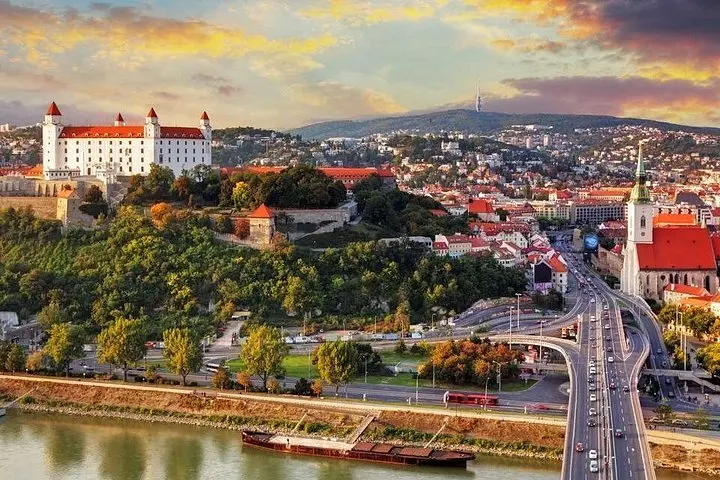
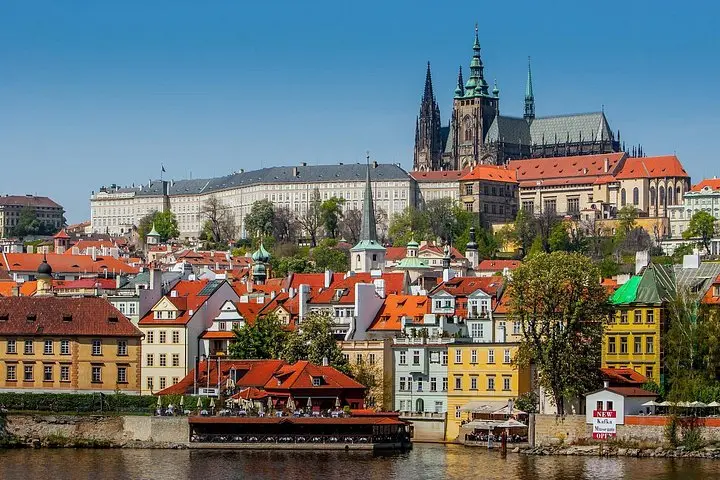
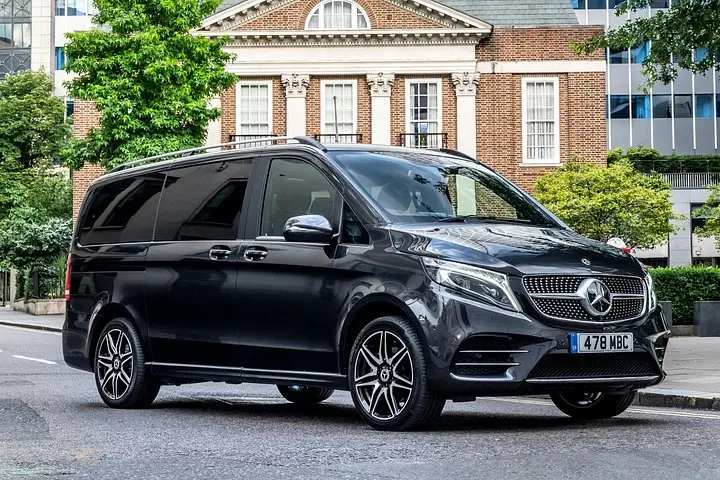
A morning in Prague begins with doors closing softly on a late-model Mercedes and the city falling away as baroque roofs shrink in the rearview. The road pushes east through open fields and low ridges; Czech villages drift past, then the car follows the Vltava and later the Danube’s tributaries toward Slovakia. After roughly 3½ hours of steady driving the vehicle eases into Bratislava — three hours for a compact guided tour gives time to walk the old town, see the castle perch above the river, and taste local pastries before the final two-hour run to Budapest.
Verified experiences and guided adventures in the surrounding area.
Operated by Visita Praga · Prague, Prague
A morning in Prague begins with doors closing softly on a late-model Mercedes and the city falling away as baroque roofs shrink in the rearview. The road pushes east through open fields and low ridges; Czech villages drift past, then the car follows the Vltava and later the Danube’s tributaries toward Slovakia. After roughly 3½ hours of steady driving the vehicle eases into Bratislava — three hours for a compact guided tour gives time to walk the old town, see the castle perch above the river, and taste local pastries before the final two-hour run to Budapest.
This route threads layers of Central European history: medieval Prague’s stonework, Bratislava’s Habsburg-era chimneys and Slovak market traditions, and the Ottoman-and-Austro-Hungarian influences visible in Budapest’s thermal baths. Geologically the drive crosses the Bohemian Massif’s edges into the Danube basin, shifting from rolling farmland to river plains where the Danube dares you to watch its slow current.
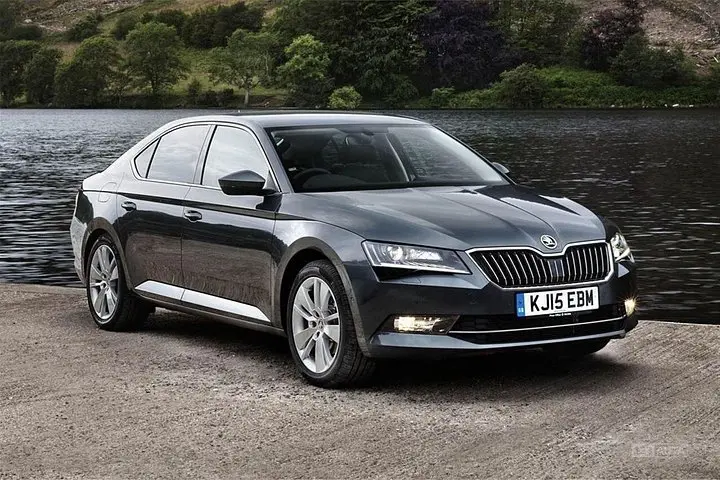
Practically, the day is straightforward but deliberate: carry passports (Schengen usually means no checks, but documents are required), keep euros for Slovakia and Hungarian forints for Budapest, and expect brief border formalities. Vehicles range from sedans to minibuses and are wheelchair- and stroller-accessible on request; infant seats available. Wear layered clothes for changing temperatures in vehicles and cities, and plan bathroom stops around the Bratislava visit. Drivers and local guides handle navigation and local insights; travelers should bring chargers, snacks, and a moderate pace — this is a people-and-place day, not a sprint.
Yes — carry a passport; routine border checks are rare within Schengen for Czech and Slovak travel but Hungary may require identification depending on circumstances.
The stop is about 3 hours and generally includes a guided walk of Bratislava Old Town, a view of the castle and time for a quick café visit or photos.
Yes — vehicles and services list wheelchair- and stroller-accessible options; request specifics when booking to ensure the right vehicle and ramp or space are available.
No — food and drinks are usually not included; the stopover gives time to buy local snacks or sit down for a meal at your expense.
Visita Praga operates guided outdoor trips and adventures with an emphasis on safety, stewardship, and memorable experiences.
A morning in Prague begins with doors closing softly on a late-model Mercedes and the city falling away as baroque roofs shrink in the rearview. The road pushes east through open fields and low ridges; Czech villages drift past, then the car follows the Vltava and later the Danube’s tributaries toward Slovakia. After roughly 3½ hours of steady driving the vehicle eases into Bratislava — three hours for a compact guided tour gives time to walk the old town, see the castle perch above the river, and taste local pastries before the final two-hour run to Budapest.
A morning in Prague begins with doors closing softly on a late-model Mercedes and the city falling away as baroque roofs shrink in the rearview. The road pushes east through open fields and low ridges; Czech villages drift past, then the car follows the Vltava and later the Danube’s tributaries toward Slovakia. After roughly 3½ hours of steady driving the vehicle eases into Bratislava — three hours for a compact guided tour gives time to walk the old town, see the castle perch above the river, and taste local pastries before the final two-hour run to Budapest.
This route threads layers of Central European history: medieval Prague’s stonework, Bratislava’s Habsburg-era chimneys and Slovak market traditions, and the Ottoman-and-Austro-Hungarian influences visible in Budapest’s thermal baths. Geologically the drive crosses the Bohemian Massif’s edges into the Danube basin, shifting from rolling farmland to river plains where the Danube dares you to watch its slow current.
Practically, the day is straightforward but deliberate: carry passports (Schengen usually means no checks, but documents are required), keep euros for Slovakia and Hungarian forints for Budapest, and expect brief border formalities. Vehicles range from sedans to minibuses and are wheelchair- and stroller-accessible on request; infant seats available. Wear layered clothes for changing temperatures in vehicles and cities, and plan bathroom stops around the Bratislava visit. Drivers and local guides handle navigation and local insights; travelers should bring chargers, snacks, and a moderate pace — this is a people-and-place day, not a sprint.