THE ADVENTURE COLLECTIVE® · Independent discovery and booking for outdoor travel

Explore Praia and the UNESCO-listed Cidade Velha on a private half-day tour that visits the São Filipe fortress, cathedral ruins, colonial square and lively local markets. Ideal for history buffs and first-time visitors looking for a compact cultural immersion.
Explore Praia and the UNESCO-listed Cidade Velha on a private half-day tour that visits the São Filipe fortress, cathedral ruins, colonial square and lively local markets. Ideal for history buffs and first-time visitors looking for a compact cultural immersion.
You step out into Praia’s hot, clean light and the Atlantic wind immediately moves you along — not gently, but with purpose. Streets climb toward Cidade Velha, the old capital where stone walls and ruined cathedral faces hold the footprint of five centuries of maritime traffic.
Verified experiences and guided adventures in the surrounding area.
Operated by gitravel · Cidade Velha, Santiago
You step out into Praia’s hot, clean light and the Atlantic wind immediately moves you along — not gently, but with purpose. Streets climb toward Cidade Velha, the old capital where stone walls and ruined cathedral faces hold the footprint of five centuries of maritime traffic.
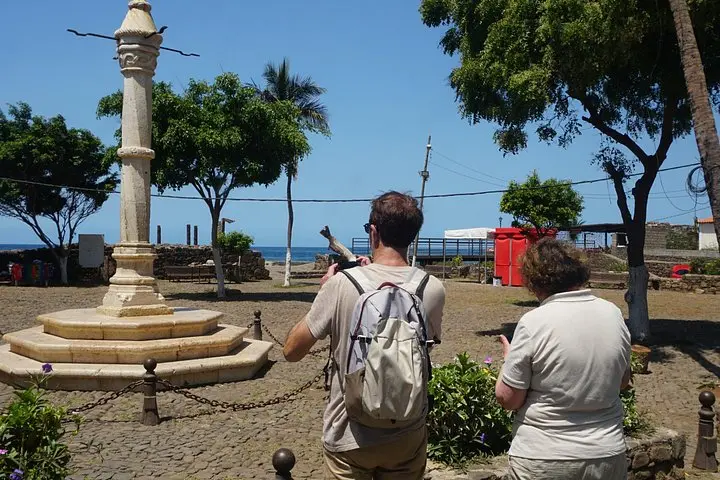
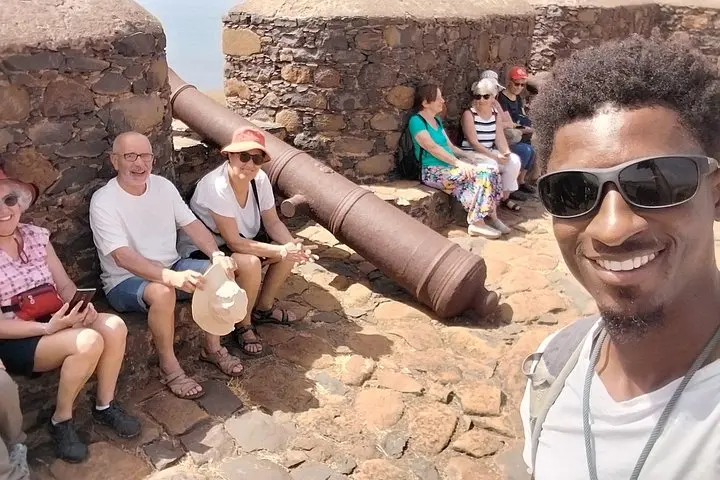
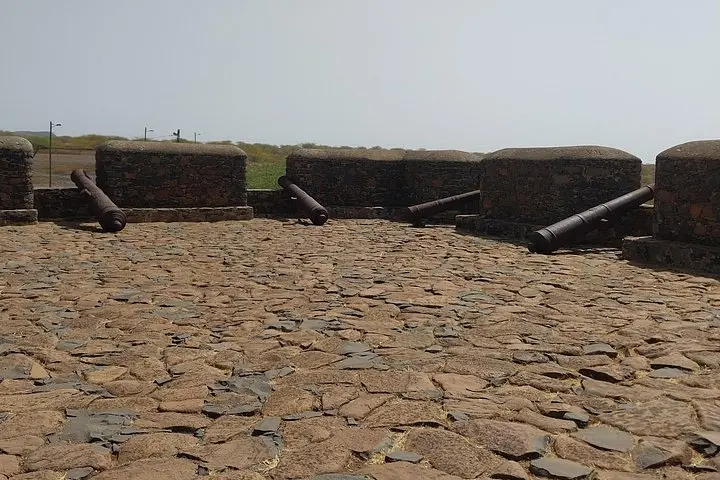
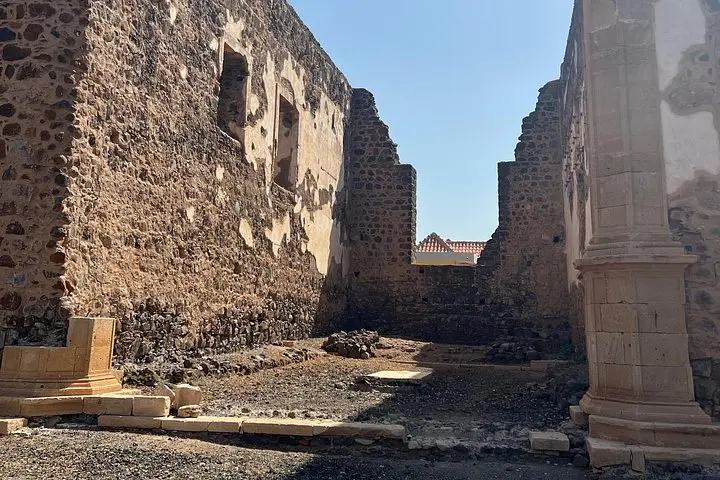
Cidade Velha is Cape Verde’s oldest European settlement and a UNESCO World Heritage Site. The fortress of São Filipe watches the harbor; cannons and a water cistern speak of pirate raids and imperial defense. The cathedral ruins carry stones shipped from Portugal during the colonial era and the small cemetery stones mark the island’s entangled history of trade and religion. Back in Praia, the plateau vegetable market pulses with color and negotiation, dominated by women traders whose rhythms structure local food supply.
Geologically the island is volcanic — dark basalt underlies the streets and creates rugged coastal headlands; the trade winds shape scrub and acacia that cling to thin soils. Cultural notes: Rua Banana is one of the first urbanized streets in Cape Verde and the colonial square holds civic buildings that map the island’s administrative past.
Practical guidance: the private tour runs about 4–5 hours with short walks, some uneven stone steps and open-air viewpoints. Wear sturdy walking shoes, sun protection and carry water — shade is limited. Expect a mix of paved streets and compacted dirt; steps in the fortress and cathedral are steep and irregular. Plan mornings or late afternoons for lower temperatures and clearer light for photos. The guide can tailor pacing; bring small cash for market purchases and modest entrance fees.
The private tour runs about 270 minutes (4.5 hours) with short, paced visits at each site and brief walking between points of interest.
Some parts are wheelchair/stroller accessible, but the fortress and cathedral ruins include steps and uneven ground that may limit access.
Admission is included for specified sites like the cathedral ruins and fortress according to the itinerary; verify inclusions when booking.
Yes — the tour accepts special requirements at booking; notify in advance to arrange alternate pacing or meal options.
gitravel operates guided outdoor trips and adventures with an emphasis on safety, stewardship, and memorable experiences.
You step out into Praia’s hot, clean light and the Atlantic wind immediately moves you along — not gently, but with purpose. Streets climb toward Cidade Velha, the old capital where stone walls and ruined cathedral faces hold the footprint of five centuries of maritime traffic.
You step out into Praia’s hot, clean light and the Atlantic wind immediately moves you along — not gently, but with purpose. Streets climb toward Cidade Velha, the old capital where stone walls and ruined cathedral faces hold the footprint of five centuries of maritime traffic.
Cidade Velha is Cape Verde’s oldest European settlement and a UNESCO World Heritage Site. The fortress of São Filipe watches the harbor; cannons and a water cistern speak of pirate raids and imperial defense. The cathedral ruins carry stones shipped from Portugal during the colonial era and the small cemetery stones mark the island’s entangled history of trade and religion. Back in Praia, the plateau vegetable market pulses with color and negotiation, dominated by women traders whose rhythms structure local food supply.
Geologically the island is volcanic — dark basalt underlies the streets and creates rugged coastal headlands; the trade winds shape scrub and acacia that cling to thin soils. Cultural notes: Rua Banana is one of the first urbanized streets in Cape Verde and the colonial square holds civic buildings that map the island’s administrative past.
Practical guidance: the private tour runs about 4–5 hours with short walks, some uneven stone steps and open-air viewpoints. Wear sturdy walking shoes, sun protection and carry water — shade is limited. Expect a mix of paved streets and compacted dirt; steps in the fortress and cathedral are steep and irregular. Plan mornings or late afternoons for lower temperatures and clearer light for photos. The guide can tailor pacing; bring small cash for market purchases and modest entrance fees.