THE ADVENTURE COLLECTIVE® · Independent discovery and booking for outdoor travel

Follow a gentle 4-km guided hike from Praia through Calabaceira Valley to Cidade Velha, stopping at a 400+ year-old baobab and historic UNESCO sites. Expect tropical agriculture, local grogue demonstrations, and easy walking on mostly well-defined trails.
Follow a gentle 4-km guided hike from Praia through Calabaceira Valley to Cidade Velha, stopping at a 400+ year-old baobab and historic UNESCO sites. Expect tropical agriculture, local grogue demonstrations, and easy walking on mostly well-defined trails.
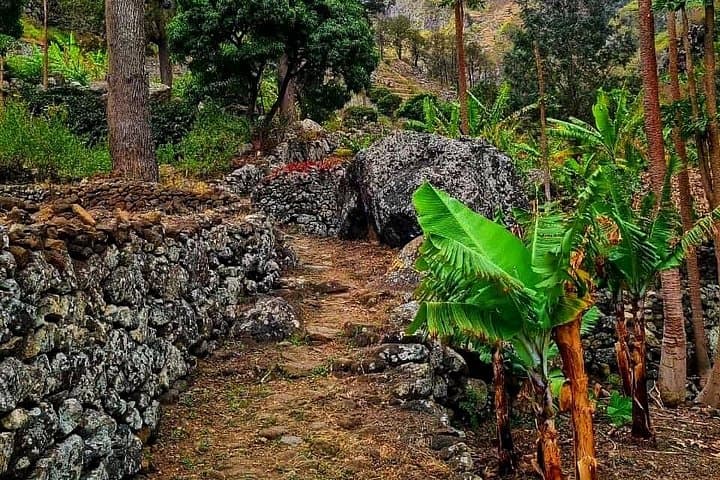
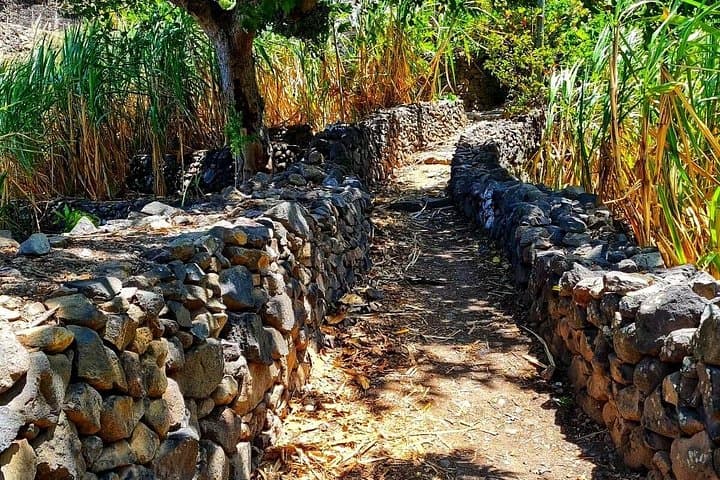
A dry wind lifts from the Atlantic as the minivan slips out of Praia and into the soft green of Calabaceira Valley. Guides steer conversations from local crops to geology while the path opens into sugarcane and mango groves; sunlight threads through palm fronds and the valley feels alive, watching you pass.
Verified experiences and guided adventures in the surrounding area.
Operated by Kapverden Tours · Cidade Velha, Santiago
A dry wind lifts from the Atlantic as the minivan slips out of Praia and into the soft green of Calabaceira Valley. Guides steer conversations from local crops to geology while the path opens into sugarcane and mango groves; sunlight threads through palm fronds and the valley feels alive, watching you pass.
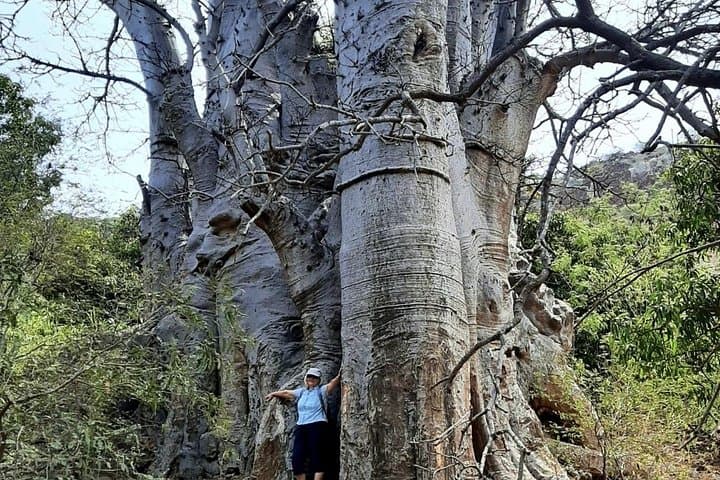
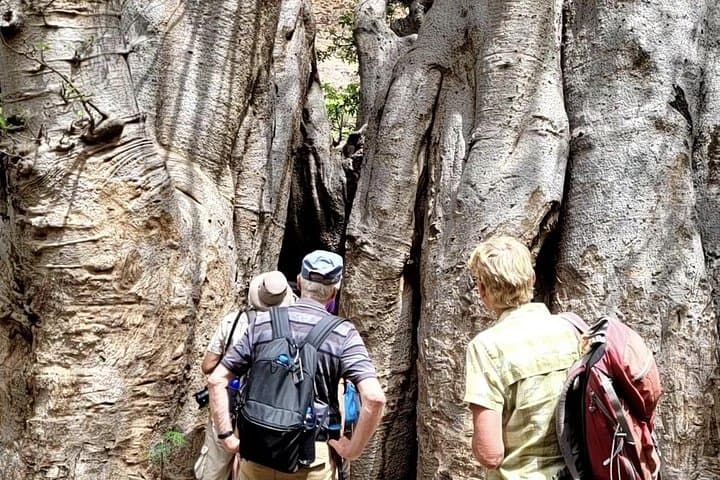
The route follows roughly 4 kilometers of gentle trail through Ribeira Grande’s cultivated slopes. The centerpiece is a 400+ year old baobab — large, ribbed, and oddly human in presence — that local storytellers and early naturalists, including a young Darwin in 1832, once recorded. The hike finishes in Cidade Velha, Cape Verde’s first capital and a UNESCO site, where the ruined Sé Cathedral, Pelourinho, and Rua Banana remind visitors of 15th–17th century Atlantic trade routes and colonial history.
Geologically, Santiago is volcanic; the valley floor collects soils that support a surprising density of tropical crops and endemic plants. Culturally, you’ll be offered a glimpse into grogue production, the island’s sugarcane spirit, and oral histories that tie landscape and people.
Practicalities are straightforward: this guided walk covers easy terrain (about 2 hours on trail) with short periods of uneven ground. Wear sturdy shoes, carry water, and time the hike for morning or late afternoon to avoid peak sun. Photography stops at the baobab and the historical core reward the curious, and hotel pickup from Praia is typically included, making this an accessible half-day window into Santiago’s natural and cultural layers.
Yes—pick up and drop off from most Praia hotels or the harbor is typically included in the tour price.
The guided trail portion is about 4 kilometers and usually takes around 2 hours, with additional time for stops and the historic walk in Cidade Velha.
Wildlife can be sporadic; guides know local spots and you may glimpse small mammals and native birds, but sightings are not guaranteed.
The hike is classified as easy and is suitable for most ages, though those with mobility or spinal issues should consult the operator beforehand.
Kapverden Tours operates guided outdoor trips and adventures with an emphasis on safety, stewardship, and memorable experiences.
A dry wind lifts from the Atlantic as the minivan slips out of Praia and into the soft green of Calabaceira Valley. Guides steer conversations from local crops to geology while the path opens into sugarcane and mango groves; sunlight threads through palm fronds and the valley feels alive, watching you pass.
A dry wind lifts from the Atlantic as the minivan slips out of Praia and into the soft green of Calabaceira Valley. Guides steer conversations from local crops to geology while the path opens into sugarcane and mango groves; sunlight threads through palm fronds and the valley feels alive, watching you pass.
The route follows roughly 4 kilometers of gentle trail through Ribeira Grande’s cultivated slopes. The centerpiece is a 400+ year old baobab — large, ribbed, and oddly human in presence — that local storytellers and early naturalists, including a young Darwin in 1832, once recorded. The hike finishes in Cidade Velha, Cape Verde’s first capital and a UNESCO site, where the ruined Sé Cathedral, Pelourinho, and Rua Banana remind visitors of 15th–17th century Atlantic trade routes and colonial history.
Geologically, Santiago is volcanic; the valley floor collects soils that support a surprising density of tropical crops and endemic plants. Culturally, you’ll be offered a glimpse into grogue production, the island’s sugarcane spirit, and oral histories that tie landscape and people.
Practicalities are straightforward: this guided walk covers easy terrain (about 2 hours on trail) with short periods of uneven ground. Wear sturdy shoes, carry water, and time the hike for morning or late afternoon to avoid peak sun. Photography stops at the baobab and the historical core reward the curious, and hotel pickup from Praia is typically included, making this an accessible half-day window into Santiago’s natural and cultural layers.