THE ADVENTURE COLLECTIVE® · Independent discovery and booking for outdoor travel

A full-day private tour from Varanasi to Prayagraj that puts you at the Triveni Sangam, Allahabad Fort, Sleeping Hanuman Temple and Anand Bhawan. Expect early pickup, river rituals, and a mix of Mughal and modern Indian history.
A full-day private tour from Varanasi to Prayagraj that puts you at the Triveni Sangam, Allahabad Fort, Sleeping Hanuman Temple and Anand Bhawan. Expect early pickup, river rituals, and a mix of Mughal and modern Indian history.
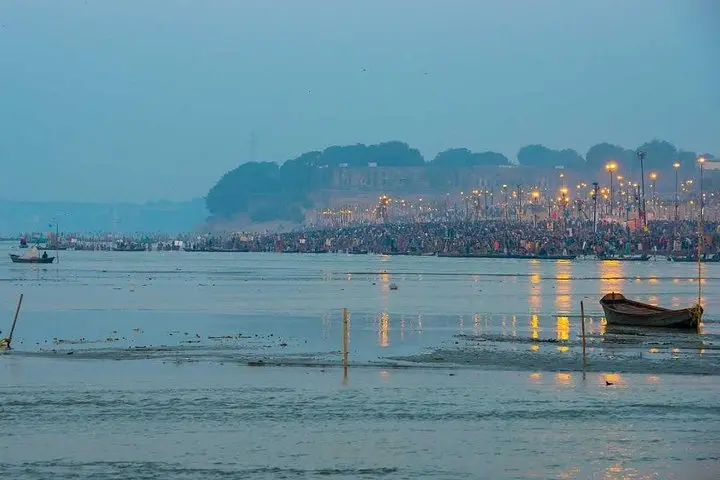
You leave Varanasi before dawn and the road softens as sugarcane fields slip by. By midmorning the three rivers announce themselves: the Ganges and Yamuna arrive with distinct tones and the mythical Saraswati is felt more than seen, folded into the Sangam’s sediment and myth. Boats idle at the ghat; priests move with purposeful rituals, and the river’s current dares you to stand at the confluence and take it in.
Verified experiences and guided adventures in the surrounding area.
Operated by TOP TRAVEL AND TOURS PVT LTD. · Prayagraj, Uttar Pradesh
You leave Varanasi before dawn and the road softens as sugarcane fields slip by. By midmorning the three rivers announce themselves: the Ganges and Yamuna arrive with distinct tones and the mythical Saraswati is felt more than seen, folded into the Sangam’s sediment and myth. Boats idle at the ghat; priests move with purposeful rituals, and the river’s current dares you to stand at the confluence and take it in.
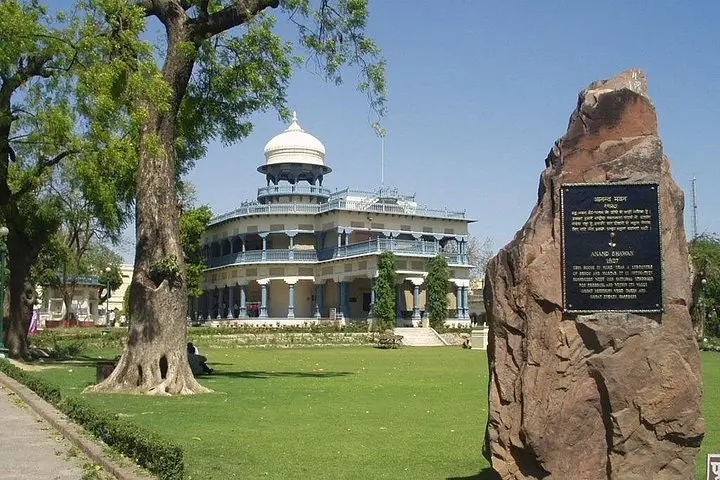
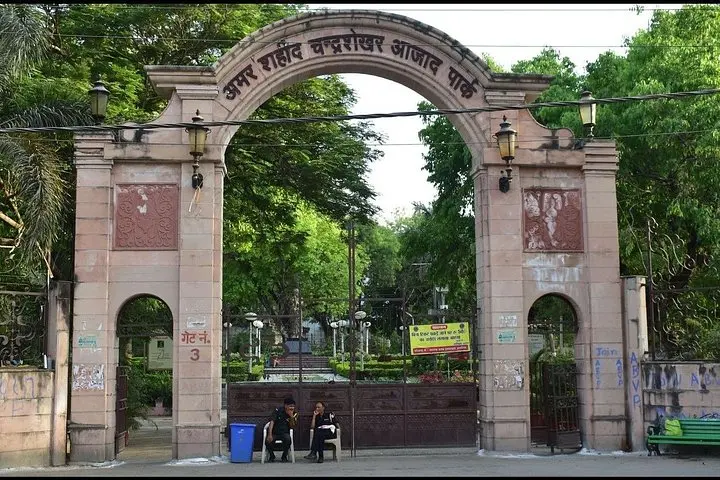
Prayagraj (formerly Allahabad) is a city shaped by riverine history and political life. The Sangam hosts the Kumbh Mela—a mass pilgrimage that returns on a 12-year cycle—and the Allahabad Fort holds layers of Mughal and colonial architecture, including the Akshayavat and an Ashoka pillar replica. Anand Bhawan chronicles the Nehru family’s role in modern India, while Chandrashekhar Azad Park offers a quiet, tree-lined counterpoint to public ritual.
Geologically the plain is recent alluvium; expect flat stretches and shifting sands along ghats, with broad vistas rather than elevation. Culturally, this is a working pilgrimage site—dress modestly, move with intention around ceremonies, and respect spaces marked for worship.
Practical guidance: start early to avoid heat and traffic, allot 8–9 hours for the round trip from Varanasi, and factor optional boat time at Sangam. Wear sturdy shoes for uneven ghats, bring sun protection and bottled water, and carry small change for entry fees and local vendors. If you plan to photograph rituals ask permission. Drivers and guides handle logistics; your job is to be present—curious, respectful, and hydrated.
The round-trip drive is about 3–4 hours each way depending on traffic; the tour schedules roughly 8–9 hours total including stops.
Boat rides are optional and typically paid locally; the tour lists the ride as optional during the Sangam stop.
Some sites charge modest entrance fees that vary by government rates; bring small cash as fees and hours can change.
Yes—this private tour provider notes flexibility for pickup points and itinerary adjustments, though pickups outside Varanasi city may incur extra charges.
TOP TRAVEL AND TOURS PVT LTD. operates guided outdoor trips and adventures with an emphasis on safety, stewardship, and memorable experiences.
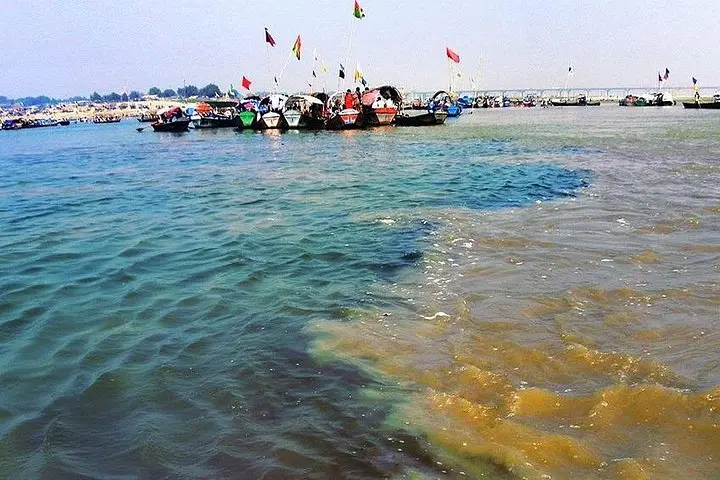
You leave Varanasi before dawn and the road softens as sugarcane fields slip by. By midmorning the three rivers announce themselves: the Ganges and Yamuna arrive with distinct tones and the mythical Saraswati is felt more than seen, folded into the Sangam’s sediment and myth. Boats idle at the ghat; priests move with purposeful rituals, and the river’s current dares you to stand at the confluence and take it in.
You leave Varanasi before dawn and the road softens as sugarcane fields slip by. By midmorning the three rivers announce themselves: the Ganges and Yamuna arrive with distinct tones and the mythical Saraswati is felt more than seen, folded into the Sangam’s sediment and myth. Boats idle at the ghat; priests move with purposeful rituals, and the river’s current dares you to stand at the confluence and take it in.
Prayagraj (formerly Allahabad) is a city shaped by riverine history and political life. The Sangam hosts the Kumbh Mela—a mass pilgrimage that returns on a 12-year cycle—and the Allahabad Fort holds layers of Mughal and colonial architecture, including the Akshayavat and an Ashoka pillar replica. Anand Bhawan chronicles the Nehru family’s role in modern India, while Chandrashekhar Azad Park offers a quiet, tree-lined counterpoint to public ritual.
Geologically the plain is recent alluvium; expect flat stretches and shifting sands along ghats, with broad vistas rather than elevation. Culturally, this is a working pilgrimage site—dress modestly, move with intention around ceremonies, and respect spaces marked for worship.
Practical guidance: start early to avoid heat and traffic, allot 8–9 hours for the round trip from Varanasi, and factor optional boat time at Sangam. Wear sturdy shoes for uneven ghats, bring sun protection and bottled water, and carry small change for entry fees and local vendors. If you plan to photograph rituals ask permission. Drivers and guides handle logistics; your job is to be present—curious, respectful, and hydrated.