THE ADVENTURE COLLECTIVE® · Independent discovery and booking for outdoor travel

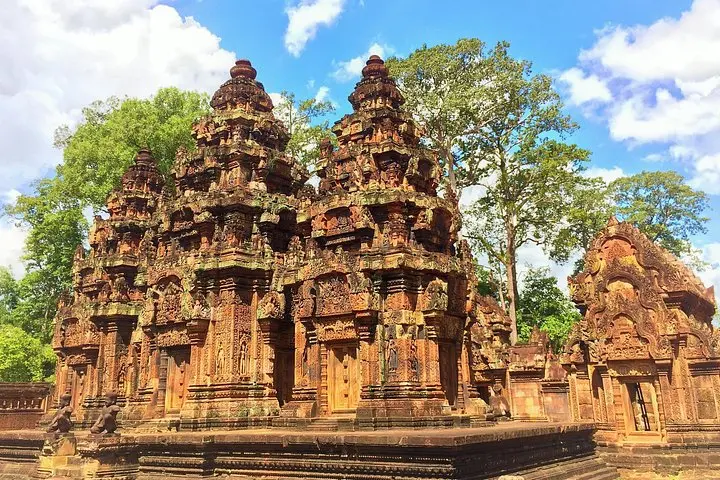
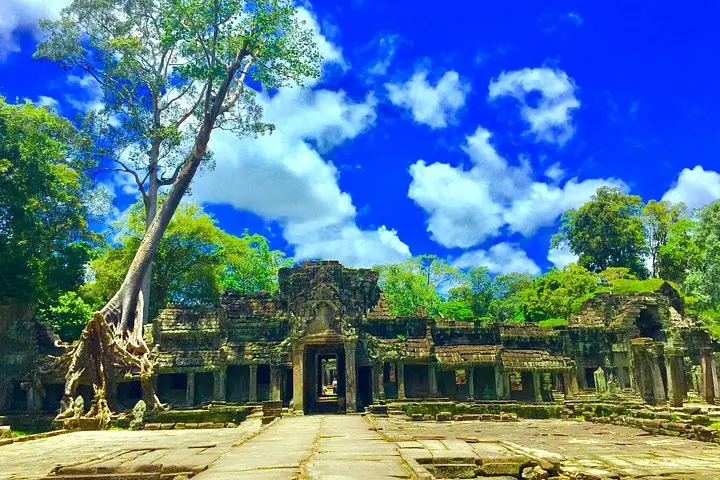
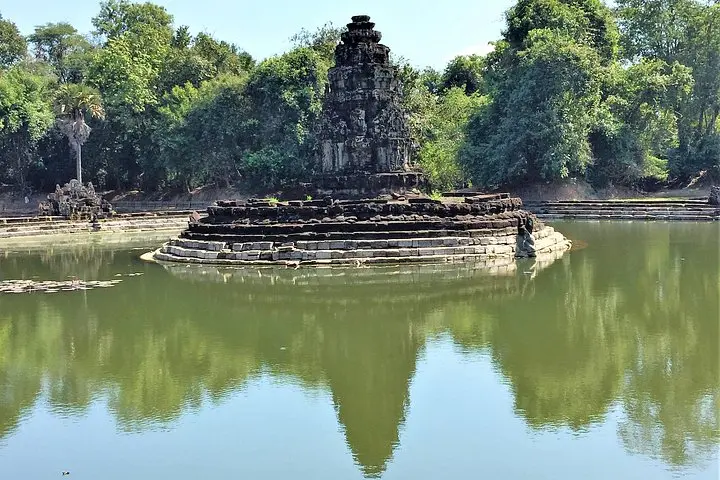
Cycle 30 km from Siem Reap through rice paddies, stilt houses, and pink‑sandstone temples on a private guided tour. Visit Preah Khan, Neak Pean and smaller pink towers with a tuk‑tuk support vehicle and local lunch en route.
Cycle 30 km from Siem Reap through rice paddies, stilt houses, and pink‑sandstone temples on a private guided tour. Visit Preah Khan, Neak Pean and smaller pink towers with a tuk‑tuk support vehicle and local lunch en route.
Morning light slices through tamarind and ironwood as a small group pushes off from Siem Reap, pedals whispering on village dirt. The route threads rice paddies and stilt houses, skirting temples whose pink sandstone facades catch the sun—an honest, unhurried way to meet Angkor beyond the crowds.
Verified experiences and guided adventures in the surrounding area.
Operated by Siem Reap Biking Tour · Siem Reap, Siem Reap Province
Morning light slices through tamarind and ironwood as a small group pushes off from Siem Reap, pedals whispering on village dirt. The route threads rice paddies and stilt houses, skirting temples whose pink sandstone facades catch the sun—an honest, unhurried way to meet Angkor beyond the crowds.
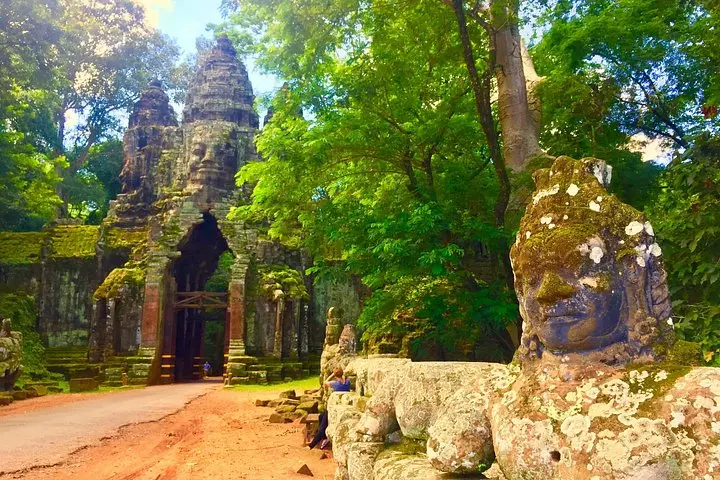
The ride moves through history: Pre Rup’s funerary terraces, the 12th‑century sprawl of Preah Khan erected by Jayavarman VII, and Neak Pean’s circular healing island in an ancient baray. Geology here is sandstone and laterite, worn by roots that have a way of prying stones into new shapes; culture is visible in roadside shrines, waving children, and Khmer lunch flavors served at a local spot. Kulen’s low ridges press on the horizon, promising cooler air and a change in vegetation.
Practical notes are straightforward. Expect roughly 30 km of mixed paved and compacted dirt roads over about eight hours with frequent photo and rest stops. A support tuk‑tuk follows for luggage or tired riders. Dress to cover shoulders and knees out of respect for temple conduct; bring sunscreen, insect repellent and plenty of water. Helmets and standard bicycles are supplied, but adjust the seat and test the brakes before you start.
This is a day built for curiosity: slow enough to notice temple carvings and village life, steady enough to cover several Angkor sites without rush. Pace yourself, hydrate early, and let the place do the rest—temples don’t rush visitors, and neither should riders.
The tour runs about eight hours and covers roughly 30 km on mixed surfaces with frequent stops at temples and villages.
Yes — standard bicycles and helmets are included; a tuk‑tuk follows for luggage or if riders need to stop.
(duplicate removed)
Shirts that cover shoulders and pants or skirts that reach the knees are required at Angkor sites—bring breathable, sun‑protective clothing.
Siem Reap Biking Tour operates guided outdoor trips and adventures with an emphasis on safety, stewardship, and memorable experiences.
Morning light slices through tamarind and ironwood as a small group pushes off from Siem Reap, pedals whispering on village dirt. The route threads rice paddies and stilt houses, skirting temples whose pink sandstone facades catch the sun—an honest, unhurried way to meet Angkor beyond the crowds.
Morning light slices through tamarind and ironwood as a small group pushes off from Siem Reap, pedals whispering on village dirt. The route threads rice paddies and stilt houses, skirting temples whose pink sandstone facades catch the sun—an honest, unhurried way to meet Angkor beyond the crowds.
The ride moves through history: Pre Rup’s funerary terraces, the 12th‑century sprawl of Preah Khan erected by Jayavarman VII, and Neak Pean’s circular healing island in an ancient baray. Geology here is sandstone and laterite, worn by roots that have a way of prying stones into new shapes; culture is visible in roadside shrines, waving children, and Khmer lunch flavors served at a local spot. Kulen’s low ridges press on the horizon, promising cooler air and a change in vegetation.
Practical notes are straightforward. Expect roughly 30 km of mixed paved and compacted dirt roads over about eight hours with frequent photo and rest stops. A support tuk‑tuk follows for luggage or tired riders. Dress to cover shoulders and knees out of respect for temple conduct; bring sunscreen, insect repellent and plenty of water. Helmets and standard bicycles are supplied, but adjust the seat and test the brakes before you start.
This is a day built for curiosity: slow enough to notice temple carvings and village life, steady enough to cover several Angkor sites without rush. Pace yourself, hydrate early, and let the place do the rest—temples don’t rush visitors, and neither should riders.