THE ADVENTURE COLLECTIVE® · Independent discovery and booking for outdoor travel

A full‑day private drive from Siem Reap takes you to Preah Vihear’s cliff‑top Hindu temple and the remote pyramid complex of Koh Ker. Expect 4WD climbs, stone staircases, and sweeping lowland views with guided access and included admissions.
A full‑day private drive from Siem Reap takes you to Preah Vihear’s cliff‑top Hindu temple and the remote pyramid complex of Koh Ker. Expect 4WD climbs, stone staircases, and sweeping lowland views with guided access and included admissions.
Morning light cracks over the Dângrêk escarpment as a private air‑conditioned car threads north from Siem Reap, steering travelers toward a cliff‑top temple that demands attention. At the road’s end a short 4WD climb delivers visitors to Preah Vihear’s long galleries and ridgeline terraces; the wind pushes history outward, and the surrounding plain stretches like a map of centuries.
Verified experiences and guided adventures in the surrounding area.
Operated by Angkor Dynasty Travel · Preah Vihear, Preah Vihear Province
Morning light cracks over the Dângrêk escarpment as a private air‑conditioned car threads north from Siem Reap, steering travelers toward a cliff‑top temple that demands attention. At the road’s end a short 4WD climb delivers visitors to Preah Vihear’s long galleries and ridgeline terraces; the wind pushes history outward, and the surrounding plain stretches like a map of centuries.
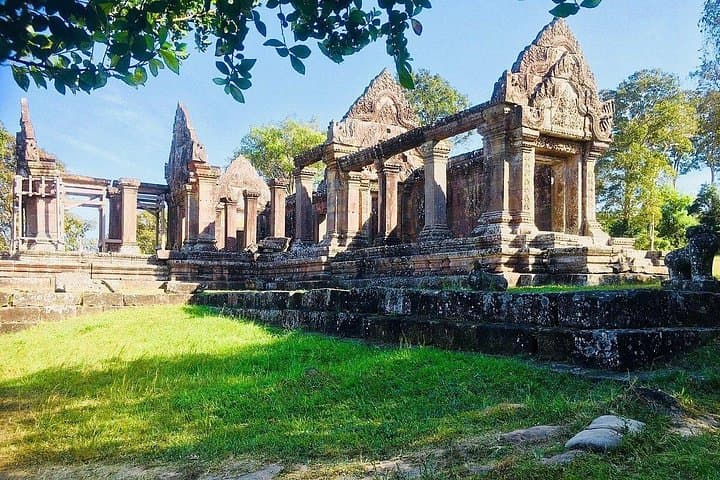
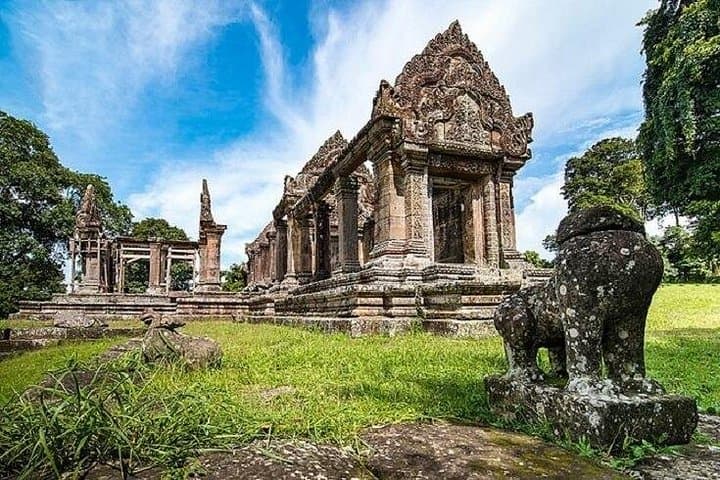
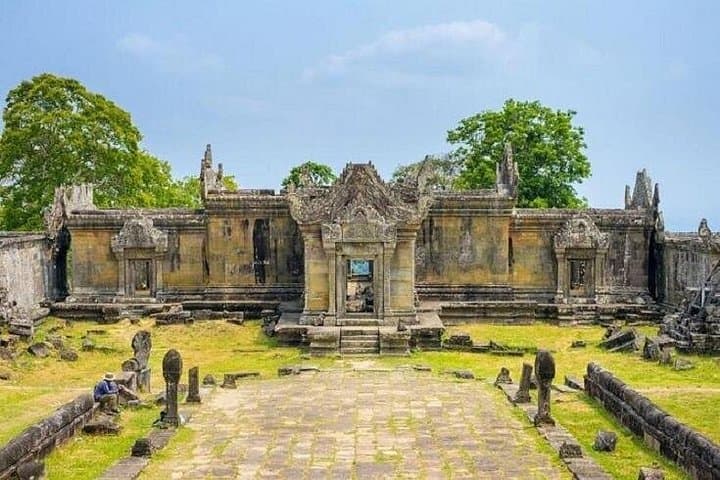
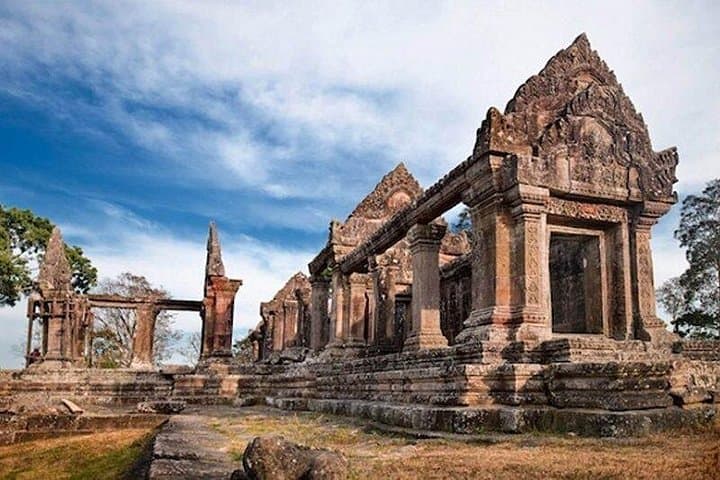
Preah Vihear dates to the height of the Angkorian kingdom and sits on a limestone ridge that formed as ancient seas retreated and folded Cambodia’s crust. The temple’s axis and carved lintels speak to Hindu ritual practice, while nearby Koh Ker — once a Khmer capital — surprises with its stepped pyramid, Prasat Thom, and isolated forested ruins. Local communities have maintained access routes for generations; modern conservation concerns now shape how the sites are visited.
Expect a mix of short climbs, stone staircases, and exposed viewpoints rather than long technical hikes. The tour balances roadside drives with hands‑on exploration of courtyards and bas‑reliefs; shade is scarce on the ridge, and monsoon season can turn access tracks muddy. Guides normally include admission fees and manage 4WD transfers up the mountain.
Practical guidance: start early to avoid midday heat, carry at least 2 liters of water, and wear sturdy shoes with grip for uneven temple steps. Bring sun protection and a lightweight rain layer during the wet season. Respect restricted areas, follow your guide’s instructions on fragile architecture, and budget time to pause at Koh Ker’s quieter ruins on the return leg.
Yes — admission fees for Preah Vihear and Koh Ker are included in the tour price.
Expect roughly 2–3 hours of driving each way depending on road conditions and traffic; the full tour runs about six hours.
Yes — a short 4WD segment takes visitors up the steep access road to the mountaintop complex and is included in the itinerary.
Families can attend but infants must sit on laps and the site has exposed ledges and stairs—supervision is essential and the tour is not recommended for those with serious heart conditions or pregnancy.
Angkor Dynasty Travel operates guided outdoor trips and adventures with an emphasis on safety, stewardship, and memorable experiences.
Morning light cracks over the Dângrêk escarpment as a private air‑conditioned car threads north from Siem Reap, steering travelers toward a cliff‑top temple that demands attention. At the road’s end a short 4WD climb delivers visitors to Preah Vihear’s long galleries and ridgeline terraces; the wind pushes history outward, and the surrounding plain stretches like a map of centuries.
Morning light cracks over the Dângrêk escarpment as a private air‑conditioned car threads north from Siem Reap, steering travelers toward a cliff‑top temple that demands attention. At the road’s end a short 4WD climb delivers visitors to Preah Vihear’s long galleries and ridgeline terraces; the wind pushes history outward, and the surrounding plain stretches like a map of centuries.
Preah Vihear dates to the height of the Angkorian kingdom and sits on a limestone ridge that formed as ancient seas retreated and folded Cambodia’s crust. The temple’s axis and carved lintels speak to Hindu ritual practice, while nearby Koh Ker — once a Khmer capital — surprises with its stepped pyramid, Prasat Thom, and isolated forested ruins. Local communities have maintained access routes for generations; modern conservation concerns now shape how the sites are visited.
Expect a mix of short climbs, stone staircases, and exposed viewpoints rather than long technical hikes. The tour balances roadside drives with hands‑on exploration of courtyards and bas‑reliefs; shade is scarce on the ridge, and monsoon season can turn access tracks muddy. Guides normally include admission fees and manage 4WD transfers up the mountain.
Practical guidance: start early to avoid midday heat, carry at least 2 liters of water, and wear sturdy shoes with grip for uneven temple steps. Bring sun protection and a lightweight rain layer during the wet season. Respect restricted areas, follow your guide’s instructions on fragile architecture, and budget time to pause at Koh Ker’s quieter ruins on the return leg.