THE ADVENTURE COLLECTIVE® · Independent discovery and booking for outdoor travel

A compact, two-hour guided safari near Pretoria that pairs close-up predator viewing with a chance to feed giraffes from a raised platform. Ideal for those wanting accessible big-game sightings with informed commentary.
A compact, two-hour guided safari near Pretoria that pairs close-up predator viewing with a chance to feed giraffes from a raised platform. Ideal for those wanting accessible big-game sightings with informed commentary.
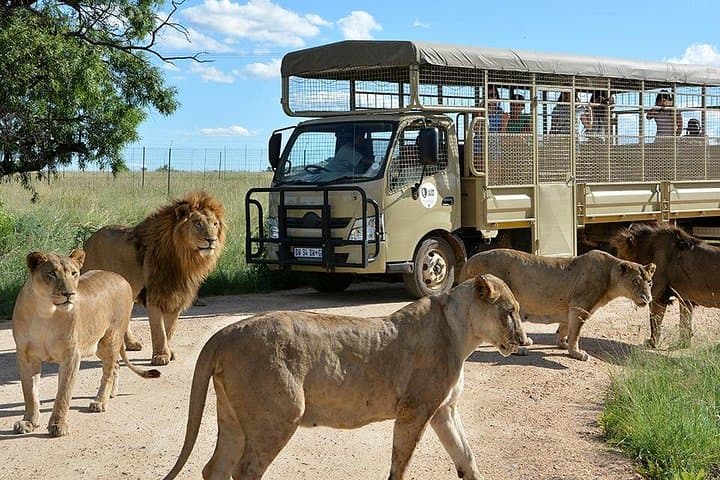
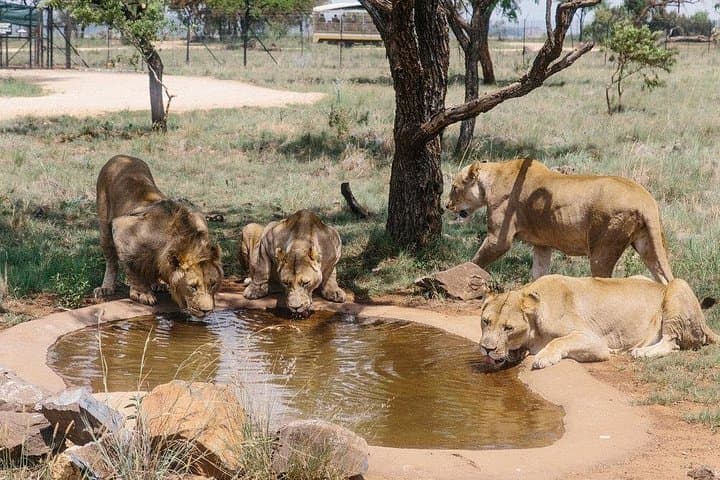
The truck judders over hard-packed game roads and the grasses shiver as you slip into the predator world outside Pretoria. Two hours feels tight and abundant at once—shadows stretch, birds call, and a guide’s voice picks out movement: a lion reclining in heat, a cheetah pausing to scan the plain, African wild dogs weaving through low brush. The safari truck keeps you close but respectful, an observant passenger in a land that still moves by animal logic.
Verified experiences and guided adventures in the surrounding area.
Operated by Juan Pablo Tesoriero · Pretoria, Gauteng
The truck judders over hard-packed game roads and the grasses shiver as you slip into the predator world outside Pretoria. Two hours feels tight and abundant at once—shadows stretch, birds call, and a guide’s voice picks out movement: a lion reclining in heat, a cheetah pausing to scan the plain, African wild dogs weaving through low brush. The safari truck keeps you close but respectful, an observant passenger in a land that still moves by animal logic.
This region sits on the Highveld plateau—rolling grasslands and granite outcrops shaped by ancient erosion rather than alpine uplift. Human history here ranges from Tswana communities and colonial-era farms to modern conservation initiatives that created private reserves and predator-focused sanctuaries. That blend of culture and geology explains why facilities like feeding platforms and interpretive shops exist alongside open plains where herbivores graze.
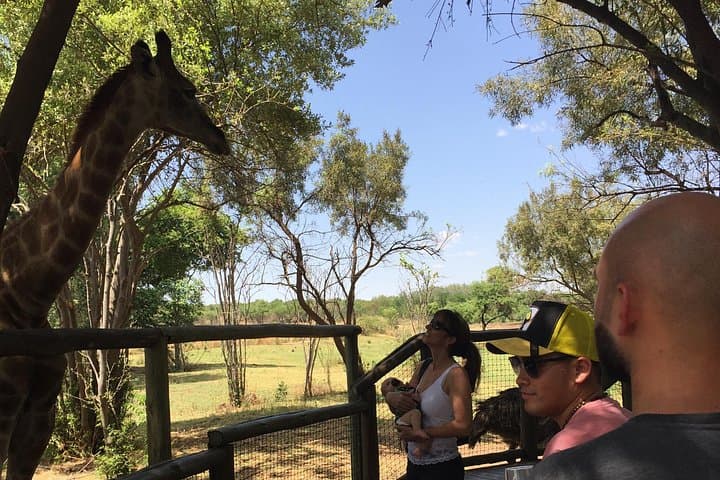
Expect a guided, interpretation-rich experience: your English- and Spanish-speaking driver/guide will track big predators, point out identifying features, and explain behavior and conservation challenges. Wildlife is wild—sightings are likely but never guaranteed. After the drive you may approach a raised platform to feed or photograph giraffes and watch zebras, nyala or ostrich visit.
Practical guidance: arrive with sun protection, a charged camera, and binoculars; wear closed-toe shoes for lodge paths and stable footing on the truck. Morning or late-afternoon departures offer the best light and animal activity. Stay patient, keep noise low, and follow your guide’s safety briefings to maximize viewing and minimize disturbance.
Guides commonly find lions, cheetahs and African wild dogs; herbivores such as giraffe, zebra, springbok and impala are also frequently encountered.
Yes; the experience is family-friendly but infants must sit on an adult’s lap and everyone should follow safety briefs on the vehicle.
No—giraffes roam freely and may not always be at the feeding platform, though the platform increases the chance of close encounters when they visit.
The tour includes private air-conditioned transport with specified pickup and drop-off points; confirm your pickup location when booking.
Juan Pablo Tesoriero operates guided outdoor trips and adventures with an emphasis on safety, stewardship, and memorable experiences.
The truck judders over hard-packed game roads and the grasses shiver as you slip into the predator world outside Pretoria. Two hours feels tight and abundant at once—shadows stretch, birds call, and a guide’s voice picks out movement: a lion reclining in heat, a cheetah pausing to scan the plain, African wild dogs weaving through low brush. The safari truck keeps you close but respectful, an observant passenger in a land that still moves by animal logic.
The truck judders over hard-packed game roads and the grasses shiver as you slip into the predator world outside Pretoria. Two hours feels tight and abundant at once—shadows stretch, birds call, and a guide’s voice picks out movement: a lion reclining in heat, a cheetah pausing to scan the plain, African wild dogs weaving through low brush. The safari truck keeps you close but respectful, an observant passenger in a land that still moves by animal logic.
This region sits on the Highveld plateau—rolling grasslands and granite outcrops shaped by ancient erosion rather than alpine uplift. Human history here ranges from Tswana communities and colonial-era farms to modern conservation initiatives that created private reserves and predator-focused sanctuaries. That blend of culture and geology explains why facilities like feeding platforms and interpretive shops exist alongside open plains where herbivores graze.
Expect a guided, interpretation-rich experience: your English- and Spanish-speaking driver/guide will track big predators, point out identifying features, and explain behavior and conservation challenges. Wildlife is wild—sightings are likely but never guaranteed. After the drive you may approach a raised platform to feed or photograph giraffes and watch zebras, nyala or ostrich visit.
Practical guidance: arrive with sun protection, a charged camera, and binoculars; wear closed-toe shoes for lodge paths and stable footing on the truck. Morning or late-afternoon departures offer the best light and animal activity. Stay patient, keep noise low, and follow your guide’s safety briefings to maximize viewing and minimize disturbance.