THE ADVENTURE COLLECTIVE® · Independent discovery and booking for outdoor travel

Join Professor Susan Ackerman for a pay-what-you-wish virtual seminar that illuminates pregnancy and childbirth rituals in ancient Israel. Expect artifact photos, incantation texts, and a live Q&A to sharpen your eye for museum displays and scholarship.
Join Professor Susan Ackerman for a pay-what-you-wish virtual seminar that illuminates pregnancy and childbirth rituals in ancient Israel. Expect artifact photos, incantation texts, and a live Q&A to sharpen your eye for museum displays and scholarship.
Book with Museum at Eldridge Street
Verified experiences and guided adventures in the surrounding area.
Operated by Museum at Eldridge Street · New York, New York
Set in New York, New York, United States, this virtual seminar gathers an academic audience and curious public for a focused evening with Professor Susan Ackerman on pregnancy and childbirth rituals in ancient Israel. Over a tightly paced presentation, Ackerman maps the material traces — engraved amulets, inscribed incantation texts, and household ritual acts — that anchored protection for mothers-to-be in antiquity. The session balances artifact images with textual analysis so you can see how an object's shape, inscription, or wear-pattern points to everyday practices and social meanings. What makes this offering unusual is its attention to the small and practical: not heroic monuments but the portable objects and short spoken formulas that circulated in domestic spaces. Expect high-resolution photographs of amulets, transliterations of incantations, and clear explanations of dating and cultural context. Ackerman frames each item with where it came from, how scholars interpret it, and what it reveals about gendered experience, vulnerability, and communal care strategies in ancient Israel. Listeners leave with concrete examples they can spot in museum displays or academic catalogs. The virtual format widens access while preserving scholarly rigor. The talk is scheduled for an evening Eastern Time slot and uses a live Q&A to address provenance questions, translation choices, and suggestions for further reading. The pay-what-you-wish model encourages participation from students, travelers planning museum days in New York, or anyone curious about childbirth across cultures. Practical accessibility features include slide captions and recommended pre-reads accessible through the booking link. This seminar is a good primer before visiting collections or attending related lectures in New York; it equips viewers to recognize telling details in artifact cases and label copy. It’s also an invitation to think about how ritual objects functioned as technology for managing uncertainty, not merely symbols. For travelers building a culturally themed itinerary, pairing this talk with visits to local museums, rare-book rooms, or public history programs will deepen your engagement with objects on display. Bring a stable internet connection, headphones, and a notebook. Come ready to look closely and ask precise questions; the best part is the dialogue between field evidence and interpretive imagination. Whether you identify as a student, parent, traveler, or lifelong learner, this seminar makes a specialized subject approachable, visually compelling, and directly useful for understanding how ancient communities navigated pregnancy and childbirth. Reserve your spot through the booking link to receive session details and supplementary bibliography; attendees returning to academic journals and museum catalogs mentioned during the talk. The format suits short attention spans and busy travel schedules: plan for roughly sixty to ninety minutes with questions. If you are traveling through New York, use the seminar as a primer before museum visits to turn display cases into informed experiences
Plan for approximately 60–90 minutes including a brief live Q&A at the end.
Recording availability varies; check the booking confirmation or ask during registration for post-event access.
This event is pay-what-you-wish—choose an amount that fits your budget during checkout via the booking link.
No; the talk is designed for non-specialists and uses clear visuals and explanations to make the material accessible.
Yes; the presenter typically provides a short supplementary bibliography via the booking link or follow-up email.
Contact the booking organizer through the reservation confirmation; try refreshing your browser or joining from a different device if needed.
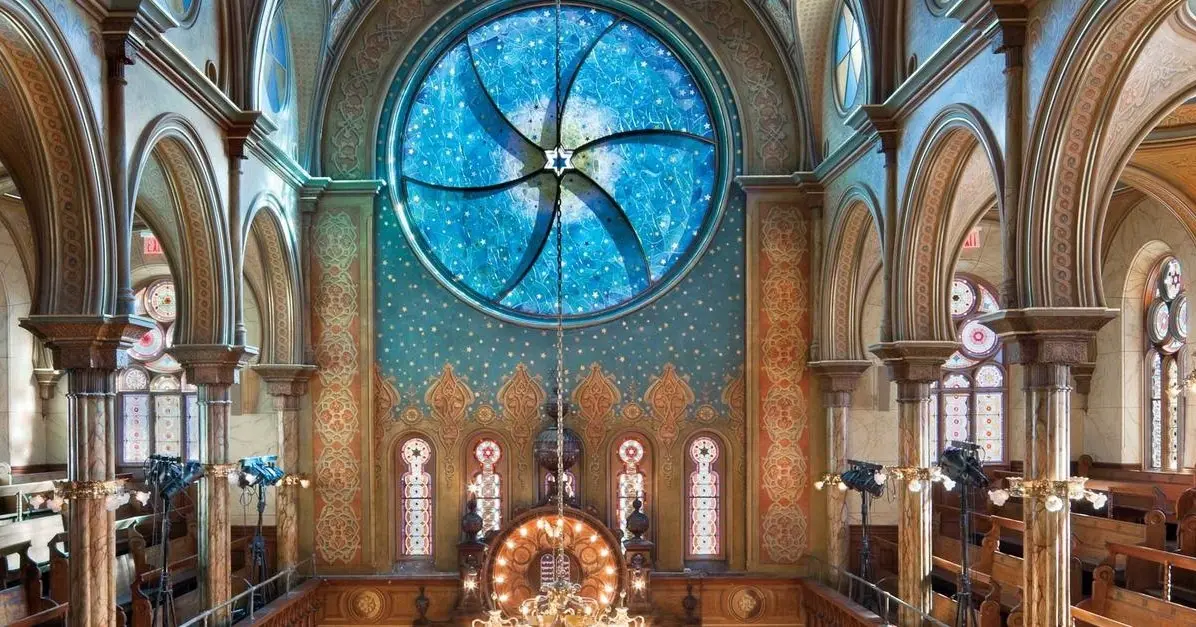
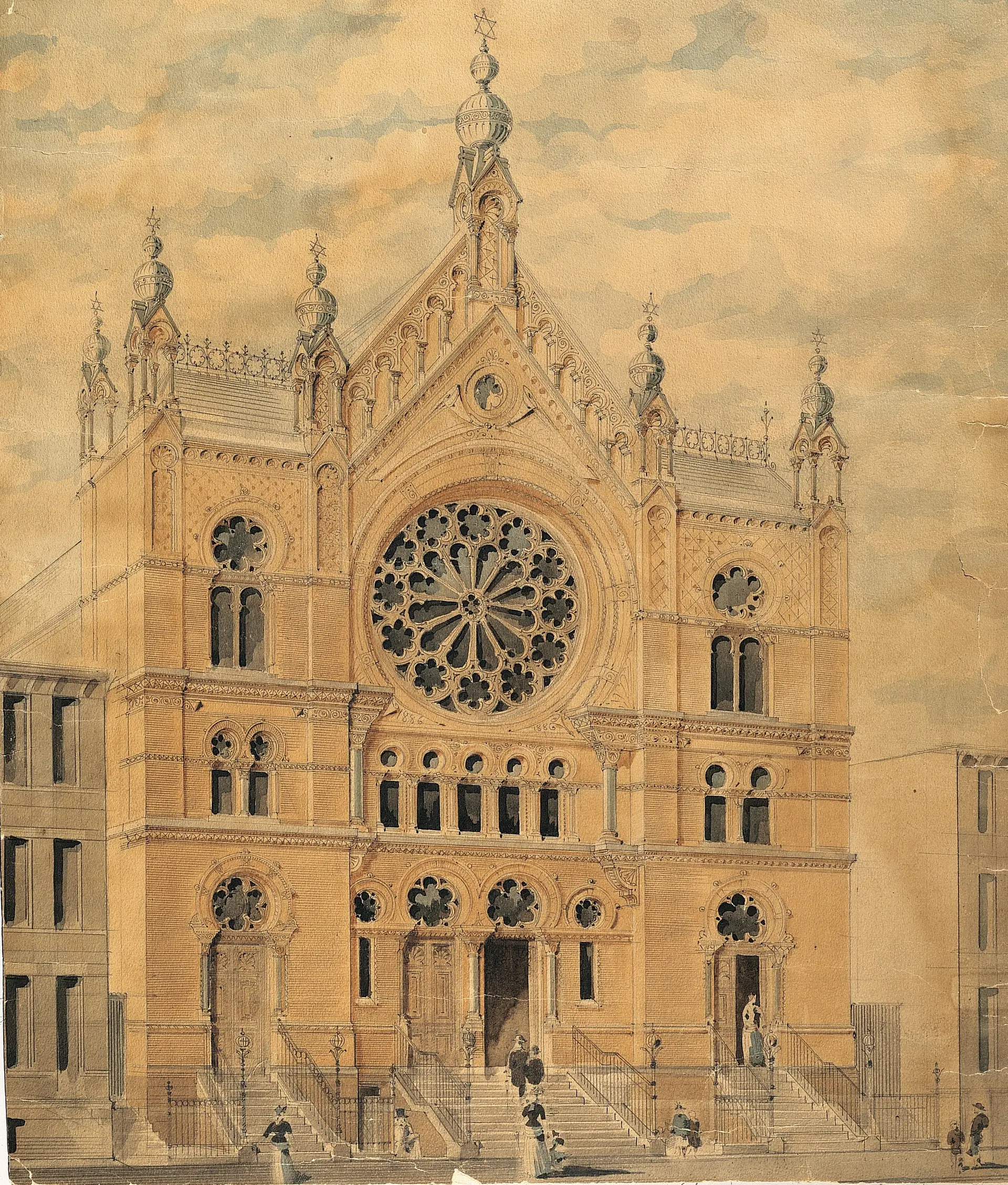
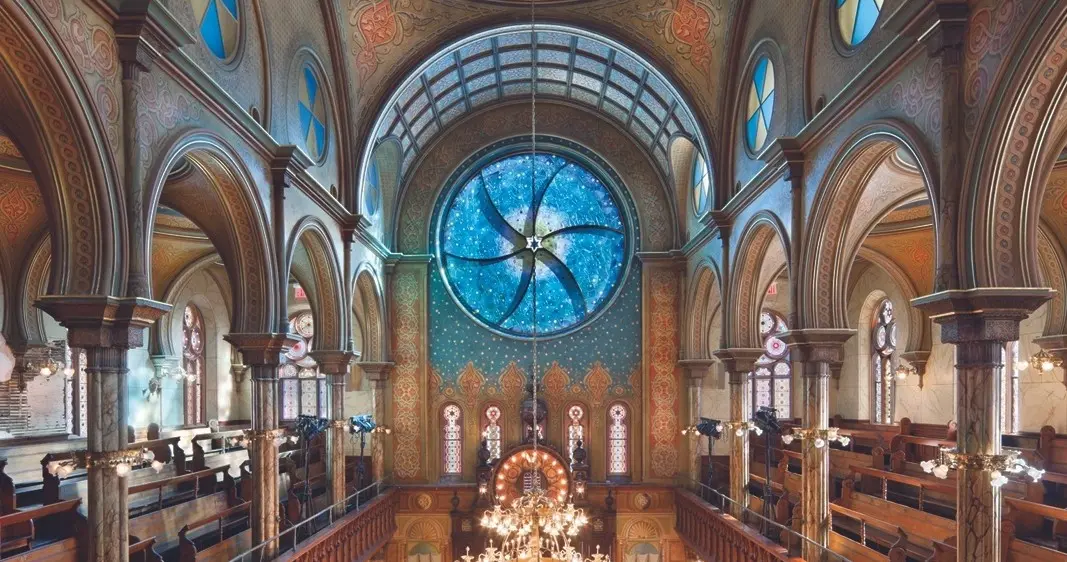
Museum at Eldridge Street preserves and interprets the Eldridge Street Synagogue, a landmark on Manhattan’s Lower East Side established in 1887. The museum offers a range of guided and self-guided experiences, including docent-led discovery tours, self-guided visits, architecture and anniversary building tours, virtual talks, and multilingual programs. Regular offerings highlight walking tours that explore Jewish history across neighborhoods such as the Lower East Side, Greenwich Village, and Historic Jewish Harlem, as well as themed walks about activism, love and courtship, and the Jewish gangsters of Lower Manhattan. Monthly Spanish-guided tours are held every last Monday of the month, and special events include concerts, exhibition talks, and food-focused walks like the Eldridge Eats Food Tour. The museum presents virtual programming, including seminars tied to exhibitions such as the Lower East Side in 1975 photography project and virtual book talks. The Anniversary Building Tour celebrates the synagogue with artifacts, documents, and images presented by guides like Scott Brevda. By combining historic preservation, community programming, and educational tours, the institution supports research and public engagement without relying on conjecture. Visitors can expect factual interpretation rooted in primary sources, curated exhibitions, and live-led programs produced by professional staff and volunteer docents. Located in New York, New York, the Museum at Eldridge Street serves both local audiences and visitors seeking authentic stories of Jewish immigrant experience, architecture, and cultural history on the Lower East Side. Programs include guided education for schools, public lectures, family activities, and seasonal events that deepen neighborhood connections and archival access.
Book with Museum at Eldridge Street