THE ADVENTURE COLLECTIVE® · Independent discovery and booking for outdoor travel

Walk ancient woods, climb chalk ridges and stand inside stone circles older than Stonehenge. This full-day tour links Silbury Hill, Avebury and Stonehenge with guided context and quiet time at each site.
Walk ancient woods, climb chalk ridges and stand inside stone circles older than Stonehenge. This full-day tour links Silbury Hill, Avebury and Stonehenge with guided context and quiet time at each site.
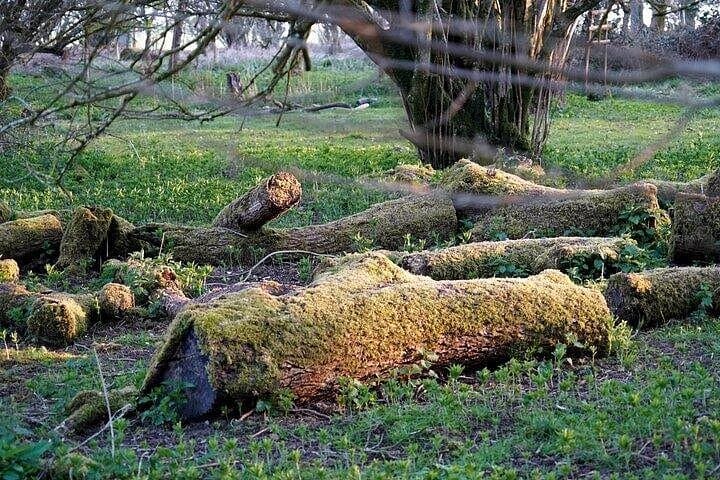
A low sun cuts across chalk downland as the van drops you by a ring of stones older than most histories. Wind pushes through silvered grass; the stones hold their cool and wait. You begin on a walk through ancient woodland in the North Wessex Downs where, in May, carpets of bluebells crowd the path and birds seem to push you forward with urgent song.
Verified experiences and guided adventures in the surrounding area.
Operated by Pigeon Tours · Avebury, Wiltshire
A low sun cuts across chalk downland as the van drops you by a ring of stones older than most histories. Wind pushes through silvered grass; the stones hold their cool and wait. You begin on a walk through ancient woodland in the North Wessex Downs where, in May, carpets of bluebells crowd the path and birds seem to push you forward with urgent song.
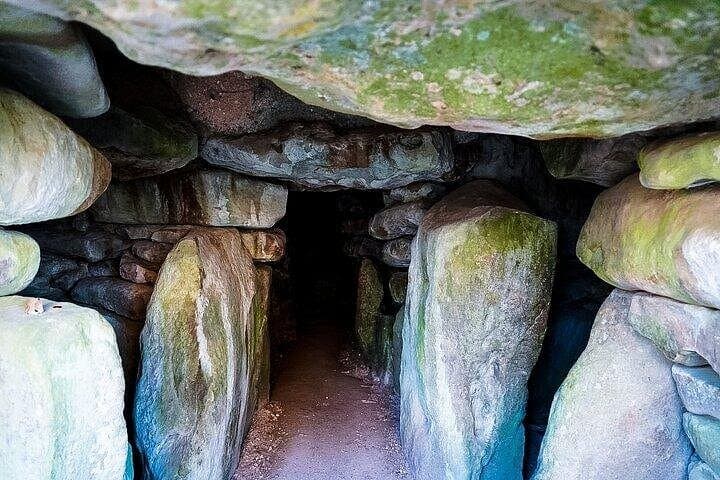
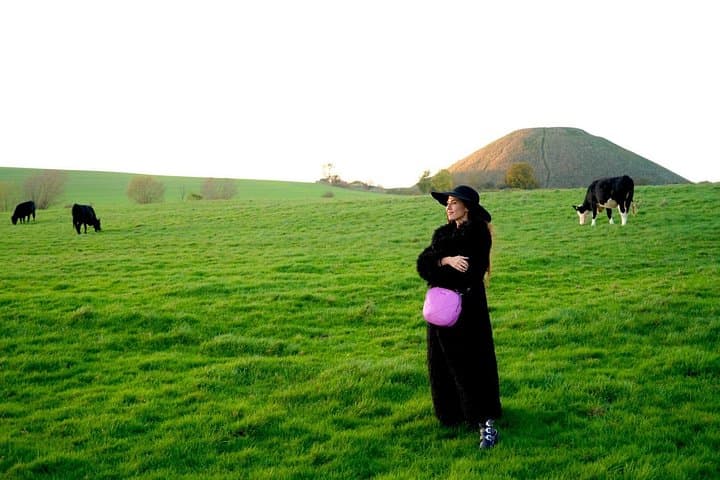
This route threads together Wiltshire’s Neolithic landmarks: the broad, human-made rise of Silbury Hill — Europe’s largest prehistoric mound — the remote long barrows and chambered tombs, and Avebury’s great stone circle, which predates Stonehenge. Geology here is simple and honest: soft chalk underlies the fields, sculpted by millennia of erosion into rolling downs and sheltered combes where torpid soil held early farmers and ritual spaces.
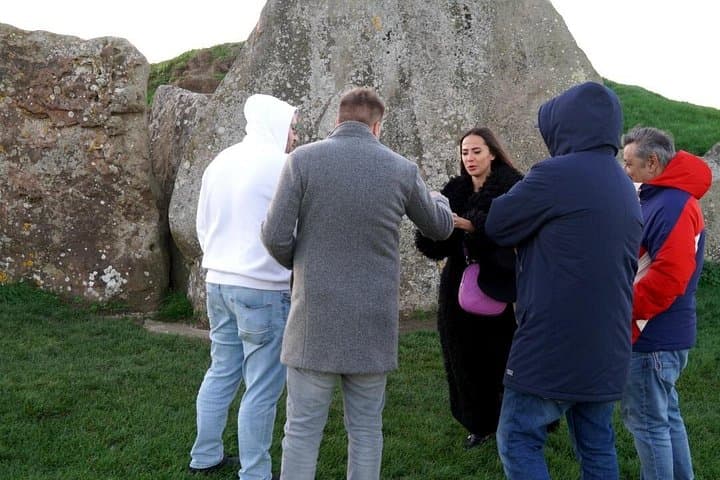
Cultural layers are visible on every lane: Bronze Age barrows, Iron Age hillforts on horizon ridges, and local folklore that gives caves and burial mounds reputations as haunted or sacred. Guides point out where prehistoric communities quarried sarsen stone and how processional routes likely linked these sites.
Practical matters are straightforward. Expect grassy tracks, uneven graveslabs, and short sections on country lanes; total walking for the day is moderate. Bring sturdy footwear, weatherproof layers, and water for a picnic in the woods. Timing matters — low light at sunset animates the stones, mid-May offers the strongest floral display, and a thoughtful guide will keep the group moving while allowing quiet time at the monuments.
This is a full-day, roughly 10-hour excursion with multiple short walks and one longer picnic walk; expect several miles of mainly easy-to-moderate walking on grass and country lanes.
Admission details are managed as part of the itinerary; the booking lists entry included for scheduled stops — confirm at booking for any timed entry requirements.
Children with moderate mobility can join, but the tour requires walking on uneven ground; it’s not recommended for travelers with significant mobility limitations or serious cardiovascular issues.
Brunch is included, but bring personal snacks, a refillable water bottle and any dietary items you need; guides will designate a picnic area with space to sit.
Pigeon Tours operates guided outdoor trips and adventures with an emphasis on safety, stewardship, and memorable experiences.
A low sun cuts across chalk downland as the van drops you by a ring of stones older than most histories. Wind pushes through silvered grass; the stones hold their cool and wait. You begin on a walk through ancient woodland in the North Wessex Downs where, in May, carpets of bluebells crowd the path and birds seem to push you forward with urgent song.
A low sun cuts across chalk downland as the van drops you by a ring of stones older than most histories. Wind pushes through silvered grass; the stones hold their cool and wait. You begin on a walk through ancient woodland in the North Wessex Downs where, in May, carpets of bluebells crowd the path and birds seem to push you forward with urgent song.
This route threads together Wiltshire’s Neolithic landmarks: the broad, human-made rise of Silbury Hill — Europe’s largest prehistoric mound — the remote long barrows and chambered tombs, and Avebury’s great stone circle, which predates Stonehenge. Geology here is simple and honest: soft chalk underlies the fields, sculpted by millennia of erosion into rolling downs and sheltered combes where torpid soil held early farmers and ritual spaces.
Cultural layers are visible on every lane: Bronze Age barrows, Iron Age hillforts on horizon ridges, and local folklore that gives caves and burial mounds reputations as haunted or sacred. Guides point out where prehistoric communities quarried sarsen stone and how processional routes likely linked these sites.
Practical matters are straightforward. Expect grassy tracks, uneven graveslabs, and short sections on country lanes; total walking for the day is moderate. Bring sturdy footwear, weatherproof layers, and water for a picnic in the woods. Timing matters — low light at sunset animates the stones, mid-May offers the strongest floral display, and a thoughtful guide will keep the group moving while allowing quiet time at the monuments.