THE ADVENTURE COLLECTIVE® · Independent discovery and booking for outdoor travel

Walk the last 100 km of the Camino Frances in comfort: a seven-day premium itinerary from Sarria to Santiago de Compostela with luggage transfers, curated stays and daily stages of 17–29 km.
Walk the last 100 km of the Camino Frances in comfort: a seven-day premium itinerary from Sarria to Santiago de Compostela with luggage transfers, curated stays and daily stages of 17–29 km.
Morning mist clings to chestnut trees as a line of boots carries pilgrims out of Sarria — the town where many begin the last 100 km of the French Way. The route moves through small stone villages, over old Roman roads, and beside rivers that dare you to slow down and notice the light.
Verified experiences and guided adventures in the surrounding area.
Operated by CAMINO DE SANTIAGO RESERVAS · Santiago de Compostela, Galicia
Morning mist clings to chestnut trees as a line of boots carries pilgrims out of Sarria — the town where many begin the last 100 km of the French Way. The route moves through small stone villages, over old Roman roads, and beside rivers that dare you to slow down and notice the light.
The Camino Frances is layered with history: medieval monasteries, fortified churches, and the constant imprint of centuries of walkers. Geologically, Galicia is a patchwork of granite ridges and rounded hills carved by ancient glaciers and persistent rain; the trail alternates between packed earth, cobbled village streets and short, gravel climbs. Local culture remains visible in parish fiestas, simple pulperías (octopus taverns) and the ritual of the pilgrim stamp (credencial) earned at every stop.
This premium package covers the canonical stages — roughly 17–29 km per day over seven days — with breakfasts, hand-selected guesthouses and luggage transfers between nights so walkers carry only a daypack. Expect undulating terrain rather than high alpine climbs; the cadence of the route favors steady pacing, frequent breaks and attention to feet and hydration.
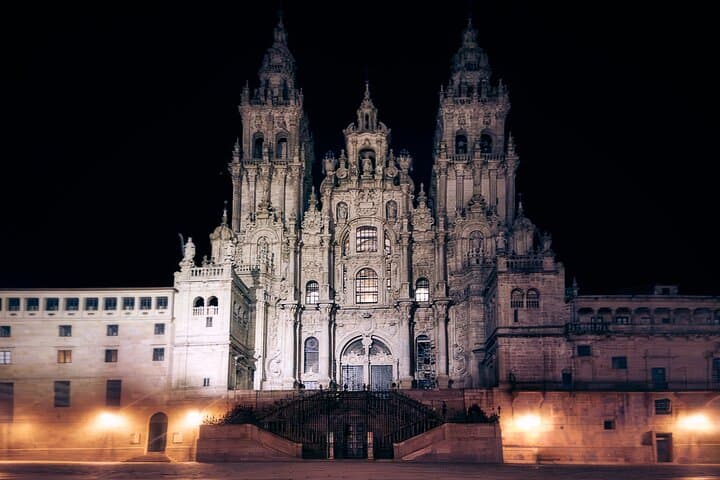
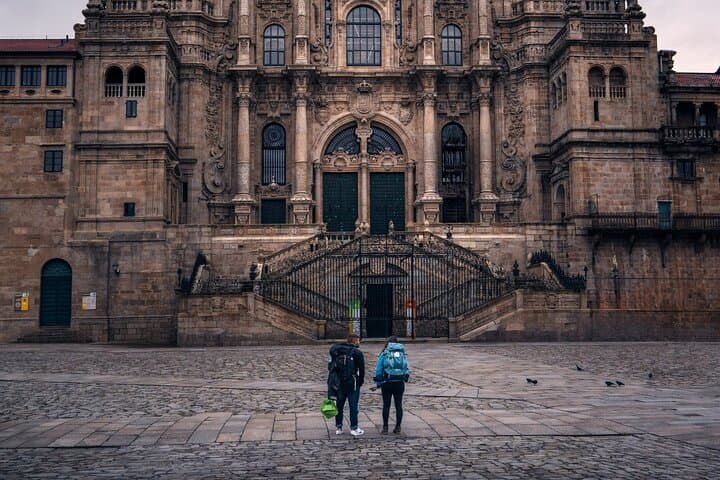
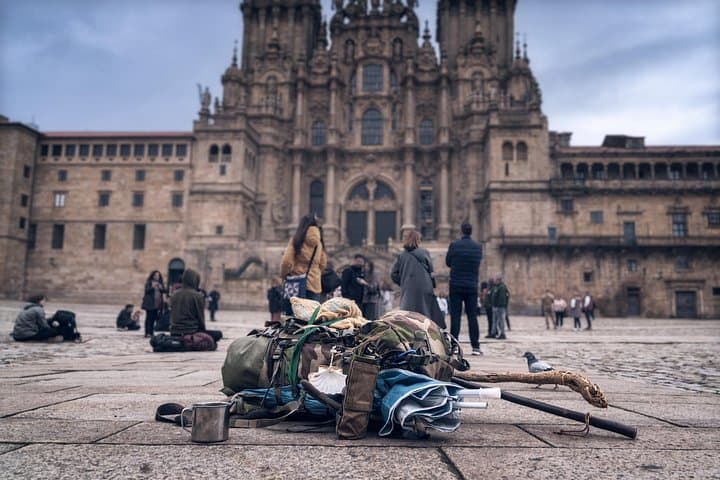
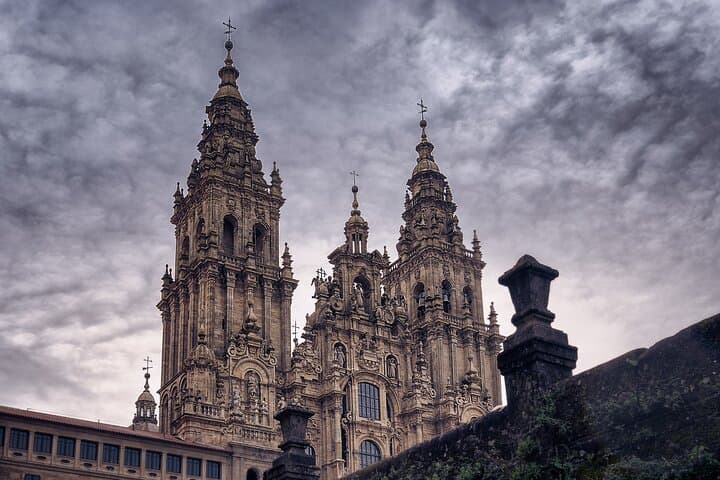
Practical edge: start early to avoid midday heat and town crowds, test footwear on back-to-back days before departure, and use the luggage transfer to keep daily loads light. Bring a filled credencial for stamps, a lightweight rain layer, and a basic first-aid kit for blisters. Finish at Santiago’s Plaza del Obradoiro, where the cathedral draws a long line of footsteps into history — and a well-deserved meal.
The stages are moderate: rolling hills with frequent short climbs, averaging 17–29 km per day; good fitness and some prior multi-day walking experience are helpful.
Yes — this premium itinerary includes transfer of luggage between accommodations so you only carry a daypack on each stage.
No — the Camino is waymarked and the package includes support and a guided tour in Santiago; some travelers opt for self-guided walking with luggage transfer instead.
Late spring and early fall offer mild weather and manageable crowds; summer is busiest and winter has reduced services.
CAMINO DE SANTIAGO RESERVAS operates guided outdoor trips and adventures with an emphasis on safety, stewardship, and memorable experiences.
Morning mist clings to chestnut trees as a line of boots carries pilgrims out of Sarria — the town where many begin the last 100 km of the French Way. The route moves through small stone villages, over old Roman roads, and beside rivers that dare you to slow down and notice the light.
Morning mist clings to chestnut trees as a line of boots carries pilgrims out of Sarria — the town where many begin the last 100 km of the French Way. The route moves through small stone villages, over old Roman roads, and beside rivers that dare you to slow down and notice the light.
The Camino Frances is layered with history: medieval monasteries, fortified churches, and the constant imprint of centuries of walkers. Geologically, Galicia is a patchwork of granite ridges and rounded hills carved by ancient glaciers and persistent rain; the trail alternates between packed earth, cobbled village streets and short, gravel climbs. Local culture remains visible in parish fiestas, simple pulperías (octopus taverns) and the ritual of the pilgrim stamp (credencial) earned at every stop.
This premium package covers the canonical stages — roughly 17–29 km per day over seven days — with breakfasts, hand-selected guesthouses and luggage transfers between nights so walkers carry only a daypack. Expect undulating terrain rather than high alpine climbs; the cadence of the route favors steady pacing, frequent breaks and attention to feet and hydration.
Practical edge: start early to avoid midday heat and town crowds, test footwear on back-to-back days before departure, and use the luggage transfer to keep daily loads light. Bring a filled credencial for stamps, a lightweight rain layer, and a basic first-aid kit for blisters. Finish at Santiago’s Plaza del Obradoiro, where the cathedral draws a long line of footsteps into history — and a well-deserved meal.