THE ADVENTURE COLLECTIVE® · Independent discovery and booking for outdoor travel

Walk the final 100 km of the Portuguese Camino from Tui to Santiago over seven days of marked trails, thermal springs and Galician towns—comfortable lodging and luggage transfer included.
Walk the final 100 km of the Portuguese Camino from Tui to Santiago over seven days of marked trails, thermal springs and Galician towns—comfortable lodging and luggage transfer included.
A salt-scented gust from the Atlantic cuts across the path as you step off the bridge in Tui and set the scallop-shell marker behind you.
Cobblestones, eucalyptus stands and occasional coastal glimpses mark the route, and each morning the path unfolds with a steady rhythm: villages waking, church bells, and fellow pilgrims keeping pace.
Verified experiences and guided adventures in the surrounding area.
Operated by CAMINO DE SANTIAGO RESERVAS · Santiago de Compostela, Galicia
A salt-scented gust from the Atlantic cuts across the path as you step off the bridge in Tui and set the scallop-shell marker behind you.
Cobblestones, eucalyptus stands and occasional coastal glimpses mark the route, and each morning the path unfolds with a steady rhythm: villages waking, church bells, and fellow pilgrims keeping pace.
This last 100 km of the Portuguese Way threads through Galicia’s layered history—Roman roads repurposed by medieval pilgrims, Baroque facades in Pontevedra and the pilgrim legends wrapped around Padrón’s riverfront. Geologically, the route crosses low granite ridges and river valleys carved by milder Atlantic weather, creating green, mossy tracks and thermal springs at Caldas de Reis.
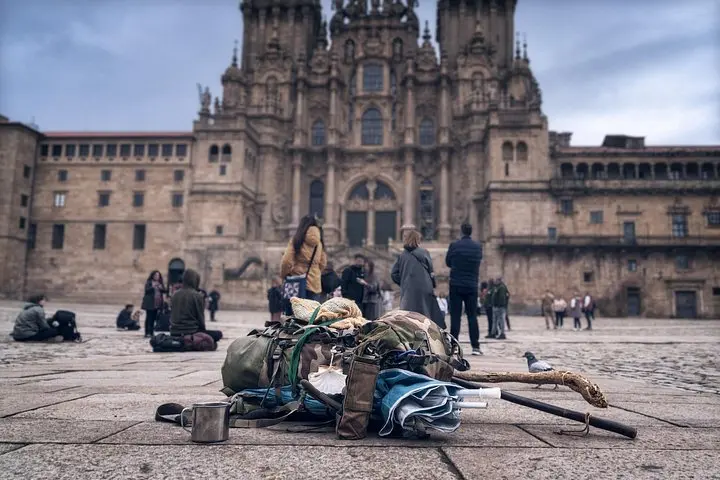
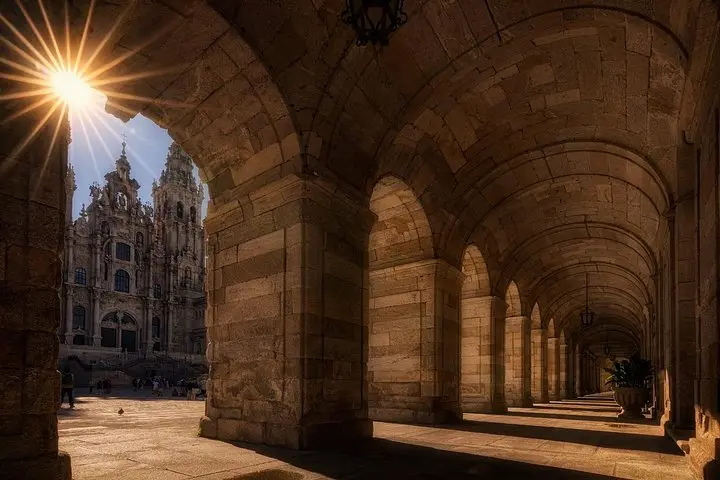
Culturally, small-town taverns serve caldo and octopus; local markets showcase Galician cheeses and peppers of Padrón. You’ll arrive in Santiago to the cathedral’s heavy stone presence and the Plaza del Obradoiro, where centuries of pilgrims have completed their route.
Practical guidance: stages average 15–24 km per day over mostly well-marked tracks and quiet rural roads—expect mixed terrain and short climbs, not technical mountaineering. Luggage transfer is included, and accommodations are in private rooms, easing logistics.
Timing matters: start early to avoid midday rain and secure seating at popular cafes. Break in comfortable footwear, carry water and a basic first-aid kit, and bring a pilgrim credential—this premium package includes one. The reward is both the Compostela certificate and the steady, deliberate satisfaction of finishing a centuries-old trail under Atlantic skies.
Yes—this premium package includes transfer of main luggage between stages so you walk with a daypack.
You must complete at least the final 100 km on foot with a stamped pilgrim credential; this itinerary covers that requirement.
A moderate level of fitness is recommended—expect consecutive days of 15–24 km on mixed terrain but no technical climbing.
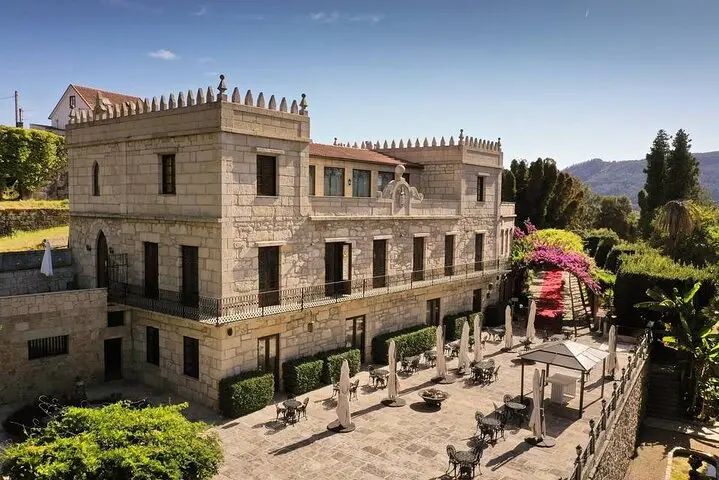
Yes—nights are in rooms with private bathrooms at hotels and rural guesthouses, and the final night is at the Parador in Santiago.
CAMINO DE SANTIAGO RESERVAS operates guided outdoor trips and adventures with an emphasis on safety, stewardship, and memorable experiences.
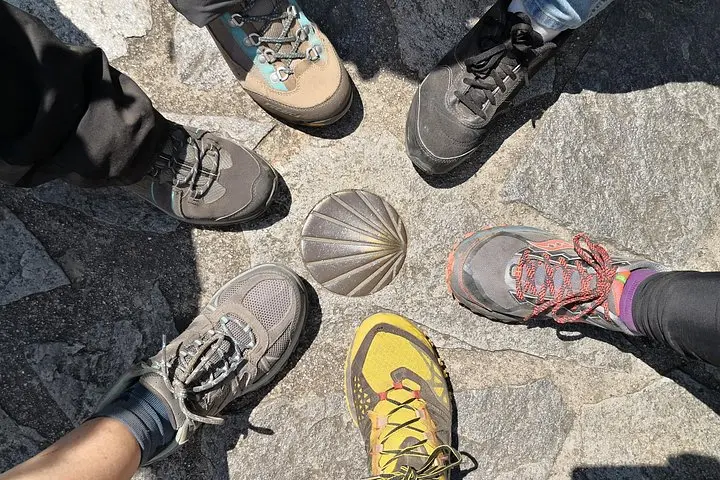
A salt-scented gust from the Atlantic cuts across the path as you step off the bridge in Tui and set the scallop-shell marker behind you.
Cobblestones, eucalyptus stands and occasional coastal glimpses mark the route, and each morning the path unfolds with a steady rhythm: villages waking, church bells, and fellow pilgrims keeping pace.
This last 100 km of the Portuguese Way threads through Galicia’s layered history—Roman roads repurposed by medieval pilgrims, Baroque facades in Pontevedra and the pilgrim legends wrapped around Padrón’s riverfront. Geologically, the route crosses low granite ridges and river valleys carved by milder Atlantic weather, creating green, mossy tracks and thermal springs at Caldas de Reis.
Culturally, small-town taverns serve caldo and octopus; local markets showcase Galician cheeses and peppers of Padrón. You’ll arrive in Santiago to the cathedral’s heavy stone presence and the Plaza del Obradoiro, where centuries of pilgrims have completed their route.
Practical guidance: stages average 15–24 km per day over mostly well-marked tracks and quiet rural roads—expect mixed terrain and short climbs, not technical mountaineering. Luggage transfer is included, and accommodations are in private rooms, easing logistics.
Timing matters: start early to avoid midday rain and secure seating at popular cafes. Break in comfortable footwear, carry water and a basic first-aid kit, and bring a pilgrim credential—this premium package includes one. The reward is both the Compostela certificate and the steady, deliberate satisfaction of finishing a centuries-old trail under Atlantic skies.