THE ADVENTURE COLLECTIVE® · Independent discovery and booking for outdoor travel

Spend a full day exploring the complex landscape of the Korean DMZ with a private guide. Visit Imjingak Park, walk the Third Tunnel, then choose between a scenic suspension bridge crossing or sweeping views from N Seoul Tower.
Spend a full day exploring the complex landscape of the Korean DMZ with a private guide. Visit Imjingak Park, walk the Third Tunnel, then choose between a scenic suspension bridge crossing or sweeping views from N Seoul Tower.
You step out of the van at Imjingak Park and the air feels different — colder, quieter, freighted with history. Flags ripple above memorials and the Freedom Bridge arcs toward a landscape scarred by division. A private guide leads you through concrete bunkers and museum exhibits, their voices threading context into the silent geometry of the Demilitarized Zone.
Verified experiences and guided adventures in the surrounding area.
Operated by Tour Travel & More · Seoul, Seoul
You step out of the van at Imjingak Park and the air feels different — colder, quieter, freighted with history. Flags ripple above memorials and the Freedom Bridge arcs toward a landscape scarred by division. A private guide leads you through concrete bunkers and museum exhibits, their voices threading context into the silent geometry of the Demilitarized Zone.
The DMZ is a product of the 1953 armistice: a 4-kilometer-wide buffer where geology and geopolitics meet. Granite ridgelines and low Han River floodplains frame viewpoints where you can see into North Korea on a clear day. The Third Tunnel, discovered in 1978, runs nearly a kilometer under the border; walking its sloped access is a visceral way to grasp the tensions that shaped modern Korea. Cultural traces — wartime memorials, the symbolic Freedom Bridge, and commuter towns like Paju — map the human aftermath of conflict.
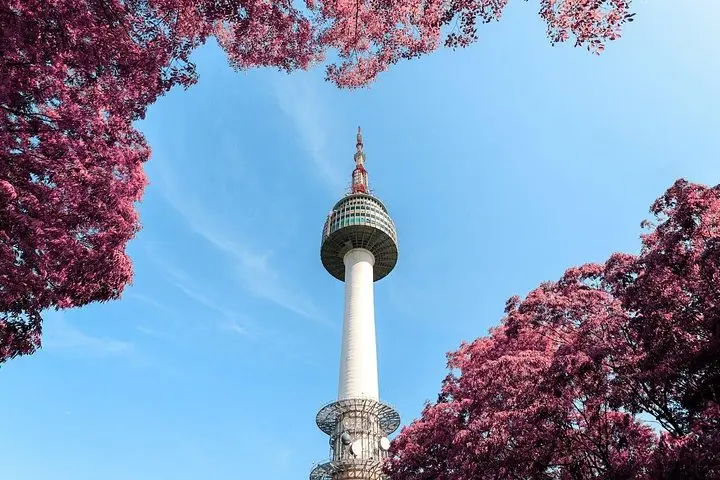
After history, choose perspective: cross a suspension bridge where the river dares you forward, or trade that sway for the skyline at N Seoul Tower, where the city unfolds in a dizzying patchwork below.
Practical guidance: the tour is a full nine-hour private day with hotel pickup in Seoul. Expect 2–3 hours of on-foot touring inside DMZ sites, stairs and short tunnels; bring your passport for security checkpoints. Wear sturdy shoes, layers, and plan for limited food options inside DMZ zones — bring snacks. Photography rules are strict at viewpoints and military sites; follow your guide’s instructions. The private format gives flexibility, but this is a solemn, regulated landscape: respect signage and direction, and you’ll leave with both panoramic city views and a sharper understanding of Korea’s past and present.
Yes — passports are required for all visitors entering DMZ checkpoints and will be checked at multiple points during the tour.
Choose the suspension bridge for a quieter, landscape-focused experience; pick N Seoul Tower for panoramic city views and photography.
Children can join, but check age restrictions and comfort with confined spaces for the Third Tunnel; infant seats are available for vehicles.
Meals are typically not included; the itinerary allows breaks for food in Seoul or nearby towns, but bring snacks for time inside the DMZ.
Tour Travel & More operates guided outdoor trips and adventures with an emphasis on safety, stewardship, and memorable experiences.
You step out of the van at Imjingak Park and the air feels different — colder, quieter, freighted with history. Flags ripple above memorials and the Freedom Bridge arcs toward a landscape scarred by division. A private guide leads you through concrete bunkers and museum exhibits, their voices threading context into the silent geometry of the Demilitarized Zone.
You step out of the van at Imjingak Park and the air feels different — colder, quieter, freighted with history. Flags ripple above memorials and the Freedom Bridge arcs toward a landscape scarred by division. A private guide leads you through concrete bunkers and museum exhibits, their voices threading context into the silent geometry of the Demilitarized Zone.
The DMZ is a product of the 1953 armistice: a 4-kilometer-wide buffer where geology and geopolitics meet. Granite ridgelines and low Han River floodplains frame viewpoints where you can see into North Korea on a clear day. The Third Tunnel, discovered in 1978, runs nearly a kilometer under the border; walking its sloped access is a visceral way to grasp the tensions that shaped modern Korea. Cultural traces — wartime memorials, the symbolic Freedom Bridge, and commuter towns like Paju — map the human aftermath of conflict.
After history, choose perspective: cross a suspension bridge where the river dares you forward, or trade that sway for the skyline at N Seoul Tower, where the city unfolds in a dizzying patchwork below.
Practical guidance: the tour is a full nine-hour private day with hotel pickup in Seoul. Expect 2–3 hours of on-foot touring inside DMZ sites, stairs and short tunnels; bring your passport for security checkpoints. Wear sturdy shoes, layers, and plan for limited food options inside DMZ zones — bring snacks. Photography rules are strict at viewpoints and military sites; follow your guide’s instructions. The private format gives flexibility, but this is a solemn, regulated landscape: respect signage and direction, and you’ll leave with both panoramic city views and a sharper understanding of Korea’s past and present.