THE ADVENTURE COLLECTIVE® · Independent discovery and booking for outdoor travel

Explore Umbrian vineyard slopes between Lake Trasimeno and Lake Chiusi on a private premium tasting tour. Learn cellar craft, walk a centuries-old olive grove and sample three estate labels paired with a light traditional lunch.
Explore Umbrian vineyard slopes between Lake Trasimeno and Lake Chiusi on a private premium tasting tour. Learn cellar craft, walk a centuries-old olive grove and sample three estate labels paired with a light traditional lunch.
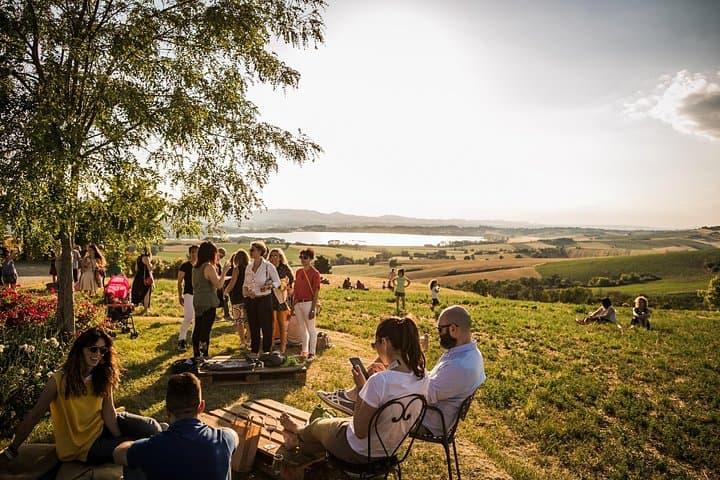
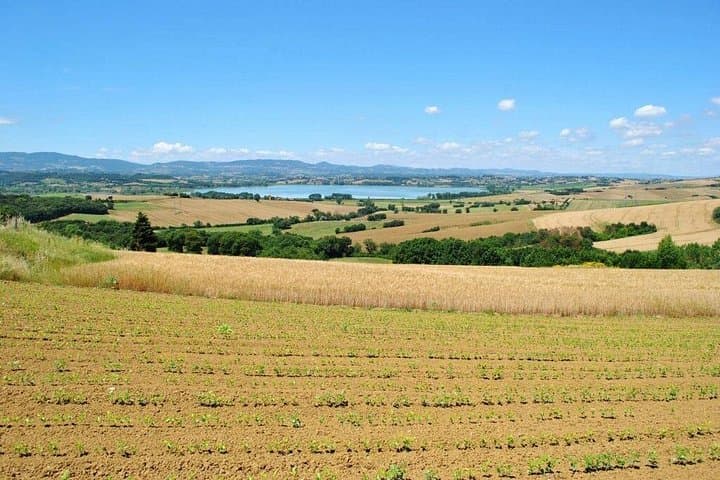
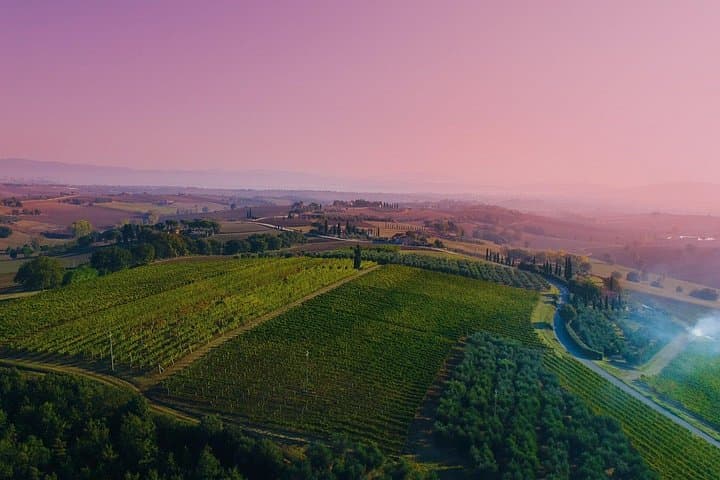
The sun slants across low, rolling hills as rows of vines march toward the horizon; olive trees, older than many houses, stand like slow-moving guards above the cellar. On a premium vineyard tour between Lake Trasimeno and Lake Chiusi, the air smells of cut grass, fermenting grape must and wood smoke from barrel rooms—an honest, quiet introduction to Umbrian viticulture.
Verified experiences and guided adventures in the surrounding area.
Operated by Cantina Madrevite · Castiglione del Lago, Umbria
The sun slants across low, rolling hills as rows of vines march toward the horizon; olive trees, older than many houses, stand like slow-moving guards above the cellar. On a premium vineyard tour between Lake Trasimeno and Lake Chiusi, the air smells of cut grass, fermenting grape must and wood smoke from barrel rooms—an honest, quiet introduction to Umbrian viticulture.
This stretch of the Umbrian-Tuscan border has farmed vines for centuries. Geological layers of clay, limestone and volcanic sediment shape each vineyard parcel, giving wines a mineral edge and a firm acidity. The guided route moves from pruning terraces in winter to sunlit canopies in summer, and the cellar visit contrasts modern stainless-steel fermentation with time-tested oak aging—techniques explained clearly so tasters understand how soil, climate and cellar choices translate to flavor.
Culturally, these estates sit inside small agricultural communities where olive oil and local salumi accompany table-side stories. The tasting includes three labels paired with a light traditional lunch that showcases the region’s simple, seasonal food.
Practically: book ahead (private tour, reservations required), expect 2–3 hours on-site, and plan for some standing and short walks across even surfaces. Bring a reusable water bottle, sun protection and a light layer for cellar temperatures. Wheelchair access is available, and the tour runs year-round—spring and fall offer the most temperate conditions for wandering the vines.
Whether you come for the wines or the landscape, the tour frames the sensory and scientific sides of winemaking so visitors leave with both new favorites and a clearer sense of place.
Yes—the premium tour includes a guided cellar visit plus a tasting of three labels paired with a light traditional lunch.
The listing indicates wheelchair-accessible areas and transportation; confirm any specific mobility needs when booking.
Plan for roughly 2–3 hours on site; the itinerary can vary depending on group pace and seasonal activities.
No—tours are designed for all levels and explain winemaking stages from pruning to aging in plain terms.
Cantina Madrevite operates guided outdoor trips and adventures with an emphasis on safety, stewardship, and memorable experiences.

The sun slants across low, rolling hills as rows of vines march toward the horizon; olive trees, older than many houses, stand like slow-moving guards above the cellar. On a premium vineyard tour between Lake Trasimeno and Lake Chiusi, the air smells of cut grass, fermenting grape must and wood smoke from barrel rooms—an honest, quiet introduction to Umbrian viticulture.
The sun slants across low, rolling hills as rows of vines march toward the horizon; olive trees, older than many houses, stand like slow-moving guards above the cellar. On a premium vineyard tour between Lake Trasimeno and Lake Chiusi, the air smells of cut grass, fermenting grape must and wood smoke from barrel rooms—an honest, quiet introduction to Umbrian viticulture.
This stretch of the Umbrian-Tuscan border has farmed vines for centuries. Geological layers of clay, limestone and volcanic sediment shape each vineyard parcel, giving wines a mineral edge and a firm acidity. The guided route moves from pruning terraces in winter to sunlit canopies in summer, and the cellar visit contrasts modern stainless-steel fermentation with time-tested oak aging—techniques explained clearly so tasters understand how soil, climate and cellar choices translate to flavor.
Culturally, these estates sit inside small agricultural communities where olive oil and local salumi accompany table-side stories. The tasting includes three labels paired with a light traditional lunch that showcases the region’s simple, seasonal food.
Practically: book ahead (private tour, reservations required), expect 2–3 hours on-site, and plan for some standing and short walks across even surfaces. Bring a reusable water bottle, sun protection and a light layer for cellar temperatures. Wheelchair access is available, and the tour runs year-round—spring and fall offer the most temperate conditions for wandering the vines.
Whether you come for the wines or the landscape, the tour frames the sensory and scientific sides of winemaking so visitors leave with both new favorites and a clearer sense of place.