THE ADVENTURE COLLECTIVE® · Independent discovery and booking for outdoor travel

Spend a quiet morning at Presa Piedra Azul with a private guide who provides binoculars and local expertise. This 3–4 hour tour blends reservoir shoreline viewing with valley-edge habitats, ideal for beginners and experienced birders alike.
Spend a quiet morning at Presa Piedra Azul with a private guide who provides binoculars and local expertise. This 3–4 hour tour blends reservoir shoreline viewing with valley-edge habitats, ideal for beginners and experienced birders alike.
You arrive at Presa Piedra Azul before the heat, the reservoir’s surface a slate mirror broken by the quick silhouettes of terns and kingfishers. A local guide calibrates binoculars and maps a short loop; the breeze moves through low shrubs and stands of willow as birds call from reed edges. The outing moves at a deliberate, quiet pace—stop, listen, watch—so colors and songs have space to reveal themselves.
Verified experiences and guided adventures in the surrounding area.
Operated by El Andar del Caracol · Teotitlán del Valle, Oaxaca
You arrive at Presa Piedra Azul before the heat, the reservoir’s surface a slate mirror broken by the quick silhouettes of terns and kingfishers. A local guide calibrates binoculars and maps a short loop; the breeze moves through low shrubs and stands of willow as birds call from reed edges. The outing moves at a deliberate, quiet pace—stop, listen, watch—so colors and songs have space to reveal themselves.
The area sits on foothills east of Oaxaca’s Valley, where volcanic tuff and alluvial soils shape shallow wetlands and seasonal streams. Teotitlán del Valle’s long Zapotec weaving tradition sits a few kilometers away; villagers have tended the land for generations, grazing sheep that influence surrounding scrub and field mosaics. Geologically, the valley floor and nearby ridges offer sedimentary pockets that support riparian thickets and open grass patches favored by flycatchers and sparrows.
Expect to see migrating and resident species: hummingbirds flit at dawn, warblers move through willows, and waterbirds probe the reservoir edge. The guide provides binoculars and local knowledge—identification tips, where birds favor sunlight versus shade, and how to approach quietly.
Practical guidance: arrive with layered clothing for cool mornings that warm quickly, bring sun protection and snacks supplied on the tour, and be ready for flat to gently uneven dirt trails. The experience suits beginners and practiced birders alike; photography is possible but plan for telephoto lenses if you want close shots. Respect private fields, follow the guide’s routes, and keep noise low—this is a short, focused window into Oaxaca’s lively birdlife.
Species counts vary by season—expect a handful of waterbird and shoreline species plus several passerines; guided private attention increases your chances to spot rarer migrants.
Yes; the tour is rated easy and designed to accommodate beginners and children able to walk short distances quietly.
Binoculars are provided, but many guests bring their own optics or cameras with telephoto lenses for photography.
The tour may be canceled for heavy rain or unsafe conditions; check cancellation policy and the guide will reschedule or refund if within policy terms.
El Andar del Caracol operates guided outdoor trips and adventures with an emphasis on safety, stewardship, and memorable experiences.
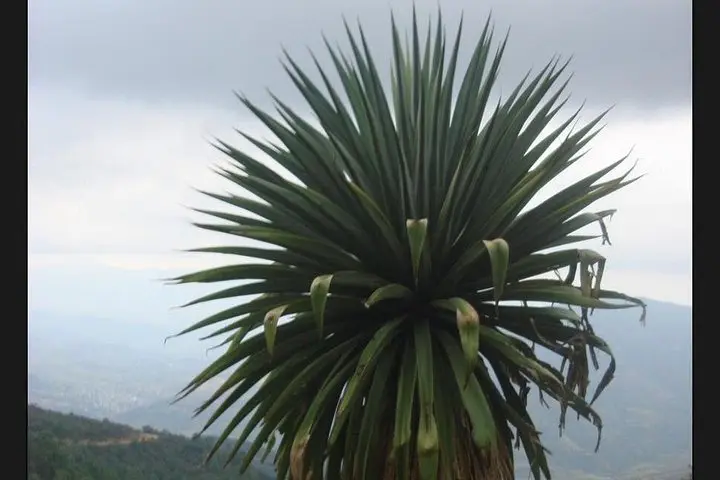
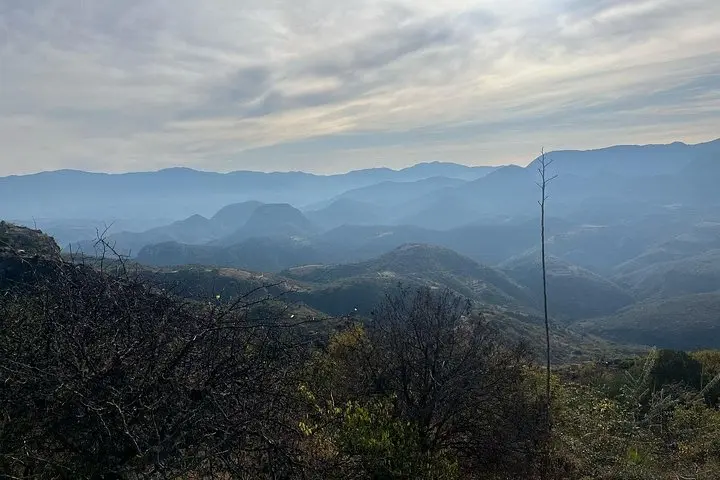
You arrive at Presa Piedra Azul before the heat, the reservoir’s surface a slate mirror broken by the quick silhouettes of terns and kingfishers. A local guide calibrates binoculars and maps a short loop; the breeze moves through low shrubs and stands of willow as birds call from reed edges. The outing moves at a deliberate, quiet pace—stop, listen, watch—so colors and songs have space to reveal themselves.
You arrive at Presa Piedra Azul before the heat, the reservoir’s surface a slate mirror broken by the quick silhouettes of terns and kingfishers. A local guide calibrates binoculars and maps a short loop; the breeze moves through low shrubs and stands of willow as birds call from reed edges. The outing moves at a deliberate, quiet pace—stop, listen, watch—so colors and songs have space to reveal themselves.
The area sits on foothills east of Oaxaca’s Valley, where volcanic tuff and alluvial soils shape shallow wetlands and seasonal streams. Teotitlán del Valle’s long Zapotec weaving tradition sits a few kilometers away; villagers have tended the land for generations, grazing sheep that influence surrounding scrub and field mosaics. Geologically, the valley floor and nearby ridges offer sedimentary pockets that support riparian thickets and open grass patches favored by flycatchers and sparrows.
Expect to see migrating and resident species: hummingbirds flit at dawn, warblers move through willows, and waterbirds probe the reservoir edge. The guide provides binoculars and local knowledge—identification tips, where birds favor sunlight versus shade, and how to approach quietly.
Practical guidance: arrive with layered clothing for cool mornings that warm quickly, bring sun protection and snacks supplied on the tour, and be ready for flat to gently uneven dirt trails. The experience suits beginners and practiced birders alike; photography is possible but plan for telephoto lenses if you want close shots. Respect private fields, follow the guide’s routes, and keep noise low—this is a short, focused window into Oaxaca’s lively birdlife.