THE ADVENTURE COLLECTIVE® · Independent discovery and booking for outdoor travel

Experience Prescott after dark: a guided 3.5-hour night hike that pairs sunset views with dark-sky stargazing and hands-on scorpion spotting. Learn local natural history while walking quiet high-desert trails under certified guides.
Experience Prescott after dark: a guided 3.5-hour night hike that pairs sunset views with dark-sky stargazing and hands-on scorpion spotting. Learn local natural history while walking quiet high-desert trails under certified guides.
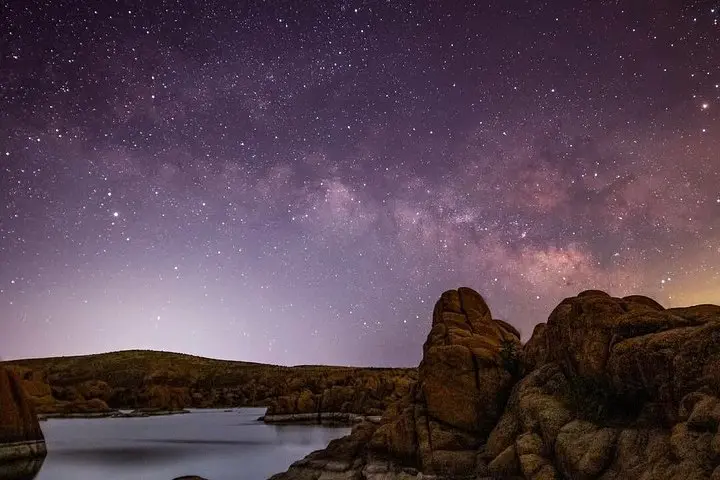
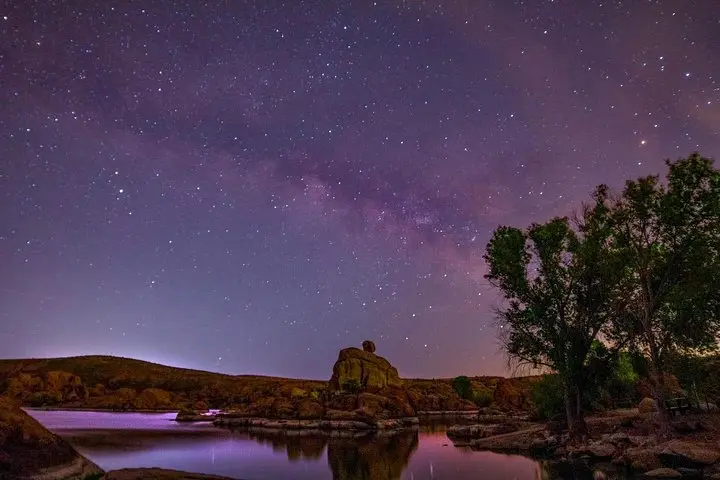
The trail begins in the cooling wash of evening, the horizon flushed with copper as Prescott’s granite ridges silhouette against a rising night. As the group slips away from town, juniper and pinyon loom like quiet sentinels while the high-desert air tightens around the sound of distant coyotes and the rustle of small mammals.
Verified experiences and guided adventures in the surrounding area.
Operated by ARRA · Prescott, Arizona
The trail begins in the cooling wash of evening, the horizon flushed with copper as Prescott’s granite ridges silhouette against a rising night. As the group slips away from town, juniper and pinyon loom like quiet sentinels while the high-desert air tightens around the sound of distant coyotes and the rustle of small mammals.
This guided night hike—held around Prescott’s 5,300-foot bench—blends natural history and dark-sky storytelling. Guides draw on the region’s Yavapai roots and the mining-era history that shaped trails and water work, pointing out ancient rock layers and weathered granite that tell of uplift and erosion. The geology here is straightforward: exposed granite, shallow soils, and boulder-strewn slopes that heat by day and cool rapidly after sunset, shaping both plant communities and nocturnal behavior.
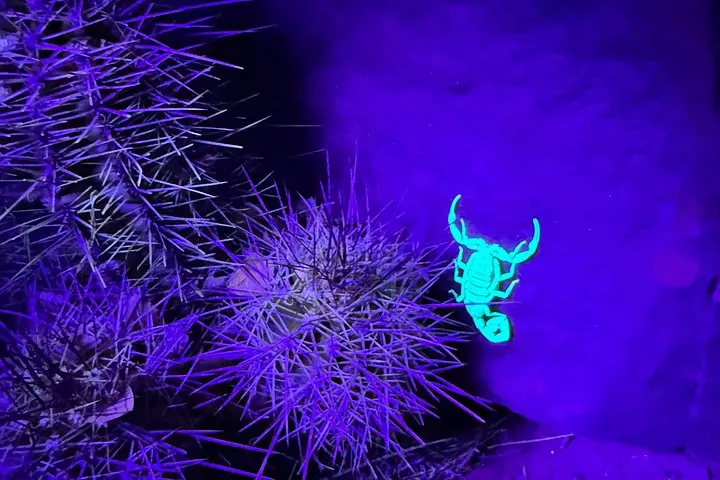
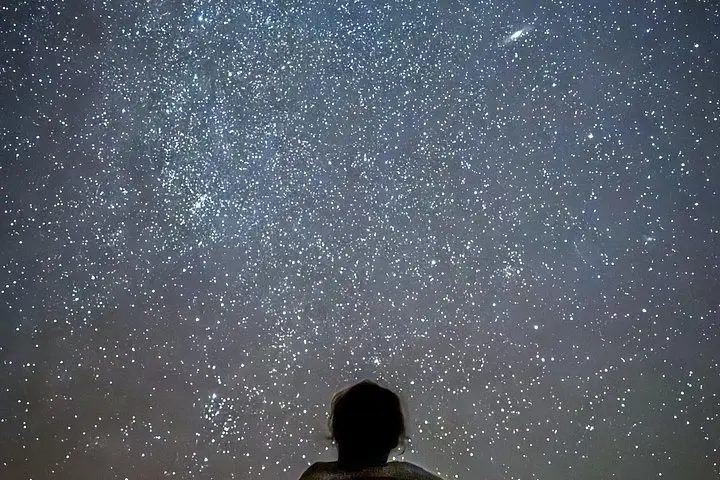
Culturally, Prescott’s nights are part of a living landscape; astronomy clubs and dark-sky advocates have long worked to reduce light pollution, making the Milky Way startlingly visible on clear nights. On the trail, participants use headlamps and UV lights to locate Arizona bark scorpions, listen for owls, and watch stars emerge as guides unpack constellation lore and dark-ecology basics.
Practical notes: the outing runs about 3.5 hours and typically covers 3–4 miles on uneven singletrack with modest elevation change. Wear sturdy footwear, bring layered clothing for sharp nighttime drops, and pack water. Guides provide headlamps and UV flashlights; follow their lead when searching for wildlife to avoid disturbing habitats. The experience is equal parts calm, curious, and quietly adventurous—Prescott after dark.
Yes, families are welcome but participants should check age requirements during booking; younger children must be supervised and able to hike safely after dark.
Scorpion sightings depend on temperature and recent rainfall—guides use UV lights to increase chances, but sightings are not guaranteed.
The meeting point is the Sprouts grocery parking lot at Depot Marketplace on Sheldon Street; some tours include private transport—confirm at booking.
Tours are canceled for unsafe weather; if canceled at least 24 hours prior you receive a full refund or rebooking option per the cancellation policy.
ARRA operates guided outdoor trips and adventures with an emphasis on safety, stewardship, and memorable experiences.
The trail begins in the cooling wash of evening, the horizon flushed with copper as Prescott’s granite ridges silhouette against a rising night. As the group slips away from town, juniper and pinyon loom like quiet sentinels while the high-desert air tightens around the sound of distant coyotes and the rustle of small mammals.
The trail begins in the cooling wash of evening, the horizon flushed with copper as Prescott’s granite ridges silhouette against a rising night. As the group slips away from town, juniper and pinyon loom like quiet sentinels while the high-desert air tightens around the sound of distant coyotes and the rustle of small mammals.
This guided night hike—held around Prescott’s 5,300-foot bench—blends natural history and dark-sky storytelling. Guides draw on the region’s Yavapai roots and the mining-era history that shaped trails and water work, pointing out ancient rock layers and weathered granite that tell of uplift and erosion. The geology here is straightforward: exposed granite, shallow soils, and boulder-strewn slopes that heat by day and cool rapidly after sunset, shaping both plant communities and nocturnal behavior.
Culturally, Prescott’s nights are part of a living landscape; astronomy clubs and dark-sky advocates have long worked to reduce light pollution, making the Milky Way startlingly visible on clear nights. On the trail, participants use headlamps and UV lights to locate Arizona bark scorpions, listen for owls, and watch stars emerge as guides unpack constellation lore and dark-ecology basics.
Practical notes: the outing runs about 3.5 hours and typically covers 3–4 miles on uneven singletrack with modest elevation change. Wear sturdy footwear, bring layered clothing for sharp nighttime drops, and pack water. Guides provide headlamps and UV flashlights; follow their lead when searching for wildlife to avoid disturbing habitats. The experience is equal parts calm, curious, and quietly adventurous—Prescott after dark.