THE ADVENTURE COLLECTIVE® · Independent discovery and booking for outdoor travel

Explore the residences and public spaces where U.S. presidents lived, worked and socialized. This 2¼-hour walking tour through Lafayette Square and Foggy Bottom blends local anecdotes, architecture, and presidential history with practical tips for an easy urban outing.
Explore the residences and public spaces where U.S. presidents lived, worked and socialized. This 2¼-hour walking tour through Lafayette Square and Foggy Bottom blends local anecdotes, architecture, and presidential history with practical tips for an easy urban outing.
You step off Connecticut Avenue into a decades-old rhythm: footsteps on flagstone, tour groups clustering, and the White House’s facade framing the end of Pennsylvania Avenue. The tour moves deliberately—past iron fences, layered brick facades, and stoops that once hosted arguments over policy and power.
Verified experiences and guided adventures in the surrounding area.
Operated by Walking Backward Tours · Washington, DC
You step off Connecticut Avenue into a decades-old rhythm: footsteps on flagstone, tour groups clustering, and the White House’s facade framing the end of Pennsylvania Avenue. The tour moves deliberately—past iron fences, layered brick facades, and stoops that once hosted arguments over policy and power.
This route traces early Washington life: Lafayette Square was a hub of politics and public spectacle from the city’s founding, surviving the British advance in 1814 and evolving as presidents and their entourages claimed nearby houses for work and respite. Geologically the ground is part of the Atlantic Coastal Plain—flat, walkable cityscape shaped more by human plans than dramatic relief—where architecture and civic memory create the terrain you’ll read like a map.
Culture here is civic and contested: churches that served presidents, mansions reused as offices and lives, and stories of protest and scandal layered into the streets. A guide with a sharp eye will point out St. John’s 'Church of the Presidents,' the Decatur House, and the quieter plaques that speak to enslaved labor and early abolition efforts.
Practical guidance: expect about 2¼ hours on paved sidewalks with multiple short stops. Wear broken-in shoes, bring a refillable bottle, and plan for weather — summer humidity can make the walk feel longer; winter wind off the Potomac bites. Start early to avoid midday heat and allow time afterward to visit nearby museums or the White House perimeter for photos. This is a politically rich, historically dense urban walk—low hills, high stories, and a steady, human pulse underfoot.
The tour starts in front of the DC Improv on Connecticut Avenue; look for the guide holding a 'Walking Backward Tours' sign.
Yes — the route is on paved sidewalks and is marked wheelchair- and stroller-accessible, though some spots may require curb cuts.
Recommended for ages 13 and up due to historical content and pacing.
Tours may be cancelled in severe weather; otherwise they run in light rain—check cancellation policy and dress appropriately.
Walking Backward Tours operates guided outdoor trips and adventures with an emphasis on safety, stewardship, and memorable experiences.
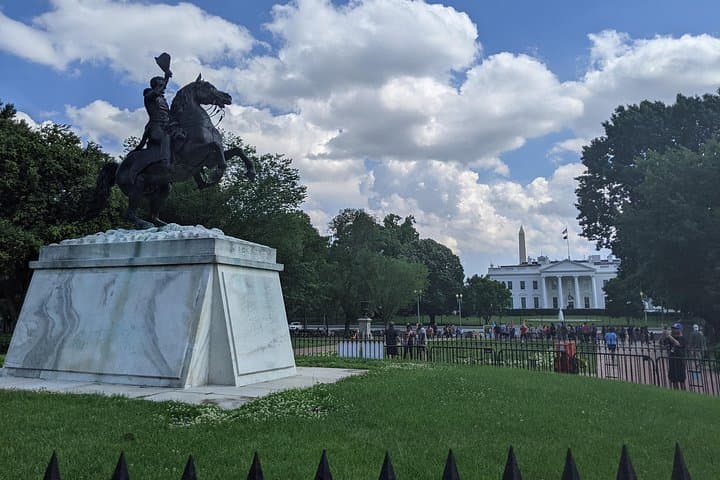


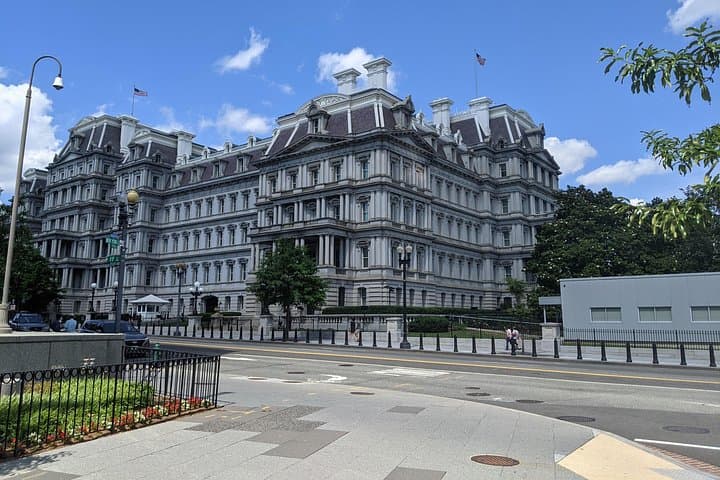
You step off Connecticut Avenue into a decades-old rhythm: footsteps on flagstone, tour groups clustering, and the White House’s facade framing the end of Pennsylvania Avenue. The tour moves deliberately—past iron fences, layered brick facades, and stoops that once hosted arguments over policy and power.
You step off Connecticut Avenue into a decades-old rhythm: footsteps on flagstone, tour groups clustering, and the White House’s facade framing the end of Pennsylvania Avenue. The tour moves deliberately—past iron fences, layered brick facades, and stoops that once hosted arguments over policy and power.
This route traces early Washington life: Lafayette Square was a hub of politics and public spectacle from the city’s founding, surviving the British advance in 1814 and evolving as presidents and their entourages claimed nearby houses for work and respite. Geologically the ground is part of the Atlantic Coastal Plain—flat, walkable cityscape shaped more by human plans than dramatic relief—where architecture and civic memory create the terrain you’ll read like a map.
Culture here is civic and contested: churches that served presidents, mansions reused as offices and lives, and stories of protest and scandal layered into the streets. A guide with a sharp eye will point out St. John’s 'Church of the Presidents,' the Decatur House, and the quieter plaques that speak to enslaved labor and early abolition efforts.
Practical guidance: expect about 2¼ hours on paved sidewalks with multiple short stops. Wear broken-in shoes, bring a refillable bottle, and plan for weather — summer humidity can make the walk feel longer; winter wind off the Potomac bites. Start early to avoid midday heat and allow time afterward to visit nearby museums or the White House perimeter for photos. This is a politically rich, historically dense urban walk—low hills, high stories, and a steady, human pulse underfoot.