THE ADVENTURE COLLECTIVE® · Independent discovery and booking for outdoor travel

Leave Las Vegas for a long day through the Virgin River Gorge to Page, Arizona, where Horseshoe Bend’s vertiginous overlook and Antelope Canyon’s sculpted slot walls await. This guided tour includes Navajo-led canyon access, interpretive history, and a boxed lunch.
Leave Las Vegas for a long day through the Virgin River Gorge to Page, Arizona, where Horseshoe Bend’s vertiginous overlook and Antelope Canyon’s sculpted slot walls await. This guided tour includes Navajo-led canyon access, interpretive history, and a boxed lunch.
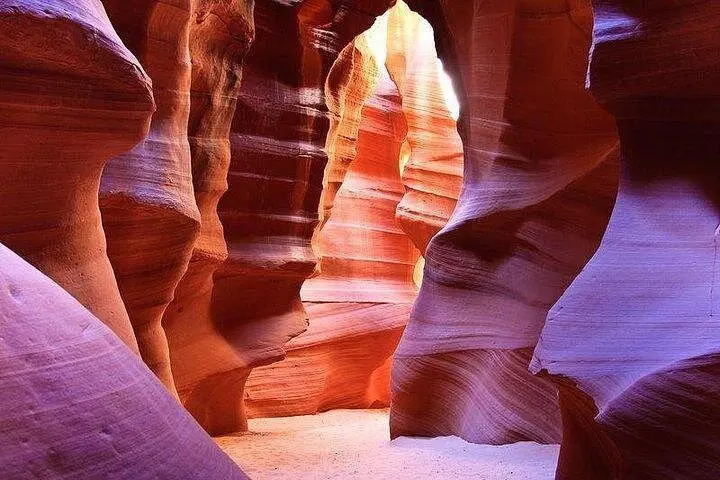
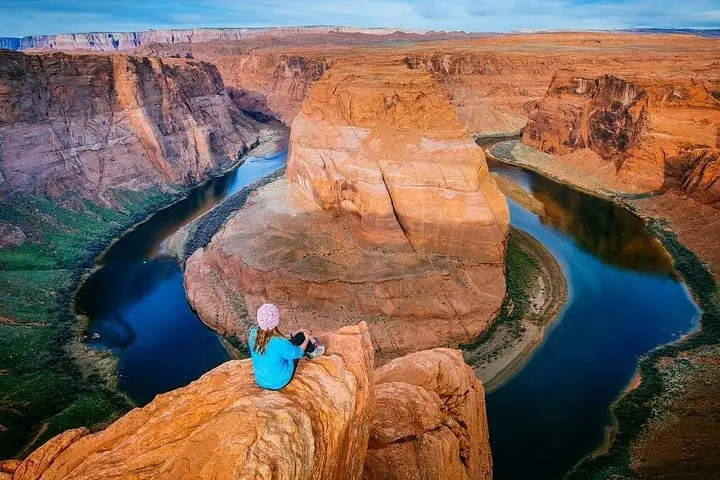
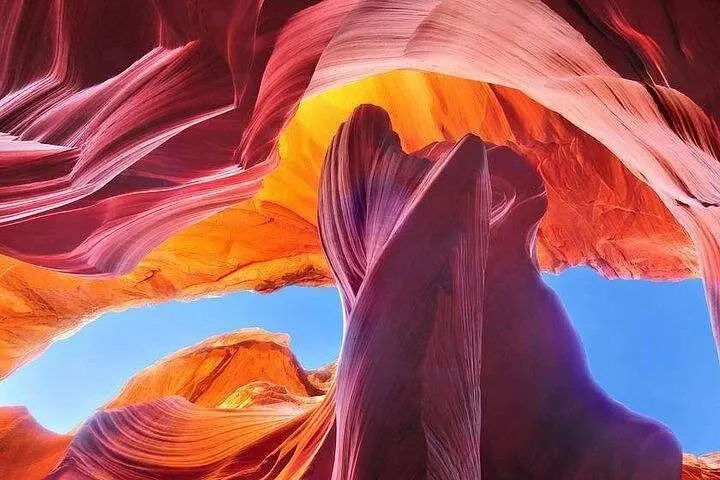
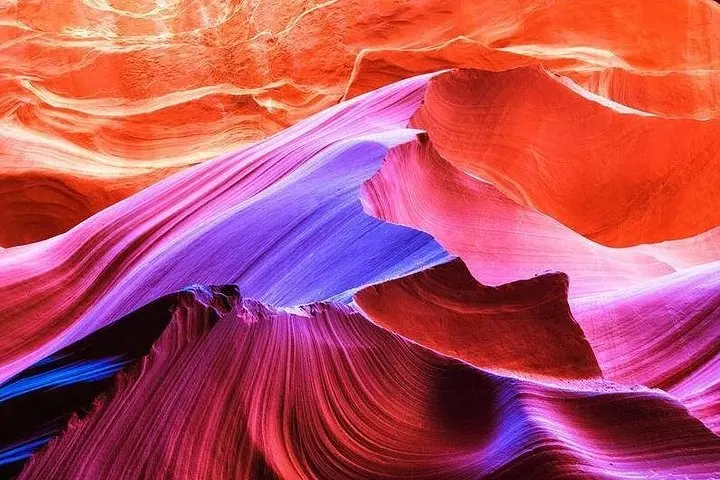
The bus pulls away from the neon of Las Vegas before dawn, and by mid-morning the desert opens into slabs of rust-colored sandstone and wide, clean sky. At Horseshoe Bend the Colorado River dares you to edge closer to the rim: a short 1.5-mile round-trip walk brings you to a 1,000-foot (300 m) sheer overlook where light and shadow carve the canyon walls. Later, a Navajo guide leads small groups into Antelope Canyon—Upper, Lower, or X—where narrow corridors funnel shafts of light onto sculpted rock.
Verified experiences and guided adventures in the surrounding area.
Operated by Scenic Bend · Page, Arizona
The bus pulls away from the neon of Las Vegas before dawn, and by mid-morning the desert opens into slabs of rust-colored sandstone and wide, clean sky. At Horseshoe Bend the Colorado River dares you to edge closer to the rim: a short 1.5-mile round-trip walk brings you to a 1,000-foot (300 m) sheer overlook where light and shadow carve the canyon walls. Later, a Navajo guide leads small groups into Antelope Canyon—Upper, Lower, or X—where narrow corridors funnel shafts of light onto sculpted rock.
This landscape is young in geological terms: layers of Navajo Sandstone laid down as ancient dunes were lithified and later cut by water and wind. Antelope Canyon’s sinuous curves formed from flash floods scouring softer layers, giving the slot its famous ribs and slot-echo acoustics. The canyons sit on the Navajo Nation; guided tours provide cultural context and interpretive history about ancestral ties, traditional land use, and the modern stewardship of the site.
Practically, expect a long day—roughly 14 hours with hotel pickup included—mostly seated transit punctuated by short but sometimes uneven walks on sand, stairs, and boardwalks. Bring sun protection and at least 1–2 liters of water, wear closed-toe shoes with traction, and plan for strong midday light inside the slots (prime viewing hours are midday). Photography is the draw—compact tripods and patient framing reward careful shooters—but follow the guide’s rules and be prepared to move quickly between photo opportunities. For travelers seeking a single, high-value Southwest day trip, this route pairs iconic overlooks with interpretive guidance and a sandwich lunch to keep you going.
The tour visits either Upper, Lower, or Canyon X depending on the option selected at booking and availability; the itinerary states which canyon is included.
Antelope Canyon (Upper) is mostly ground level; Lower has stairs and tighter passages—notify the operator at booking to discuss accessibility and pickup accommodations.
Round-trip transit is lengthy—expect about 4–5 hours each way with stops, contributing to a roughly 14-hour day.
Tripod policies vary by tour and canyon; some standard tours restrict tripods while photography-specific tours permit them—confirm with the operator before arriving.
Scenic Bend operates guided outdoor trips and adventures with an emphasis on safety, stewardship, and memorable experiences.
The bus pulls away from the neon of Las Vegas before dawn, and by mid-morning the desert opens into slabs of rust-colored sandstone and wide, clean sky. At Horseshoe Bend the Colorado River dares you to edge closer to the rim: a short 1.5-mile round-trip walk brings you to a 1,000-foot (300 m) sheer overlook where light and shadow carve the canyon walls. Later, a Navajo guide leads small groups into Antelope Canyon—Upper, Lower, or X—where narrow corridors funnel shafts of light onto sculpted rock.
The bus pulls away from the neon of Las Vegas before dawn, and by mid-morning the desert opens into slabs of rust-colored sandstone and wide, clean sky. At Horseshoe Bend the Colorado River dares you to edge closer to the rim: a short 1.5-mile round-trip walk brings you to a 1,000-foot (300 m) sheer overlook where light and shadow carve the canyon walls. Later, a Navajo guide leads small groups into Antelope Canyon—Upper, Lower, or X—where narrow corridors funnel shafts of light onto sculpted rock.
This landscape is young in geological terms: layers of Navajo Sandstone laid down as ancient dunes were lithified and later cut by water and wind. Antelope Canyon’s sinuous curves formed from flash floods scouring softer layers, giving the slot its famous ribs and slot-echo acoustics. The canyons sit on the Navajo Nation; guided tours provide cultural context and interpretive history about ancestral ties, traditional land use, and the modern stewardship of the site.
Practically, expect a long day—roughly 14 hours with hotel pickup included—mostly seated transit punctuated by short but sometimes uneven walks on sand, stairs, and boardwalks. Bring sun protection and at least 1–2 liters of water, wear closed-toe shoes with traction, and plan for strong midday light inside the slots (prime viewing hours are midday). Photography is the draw—compact tripods and patient framing reward careful shooters—but follow the guide’s rules and be prepared to move quickly between photo opportunities. For travelers seeking a single, high-value Southwest day trip, this route pairs iconic overlooks with interpretive guidance and a sandwich lunch to keep you going.