THE ADVENTURE COLLECTIVE® · Independent discovery and booking for outdoor travel

Spend a long day from Las Vegas visiting Prime-Time Upper Antelope Canyon light beams, Horseshoe Bend’s dramatic meander, and the vistas around Lake Powell and Glen Canyon Dam — all with Navajo-guided access and included admissions.
Spend a long day from Las Vegas visiting Prime-Time Upper Antelope Canyon light beams, Horseshoe Bend’s dramatic meander, and the vistas around Lake Powell and Glen Canyon Dam — all with Navajo-guided access and included admissions.
Before sunrise the van pulls away from the Strip and the desert unfurls — an ochre plain that seems to hold its breath until light finds a canyon.
Verified experiences and guided adventures in the surrounding area.
Operated by SV Tour · Page, Arizona
Before sunrise the van pulls away from the Strip and the desert unfurls — an ochre plain that seems to hold its breath until light finds a canyon.
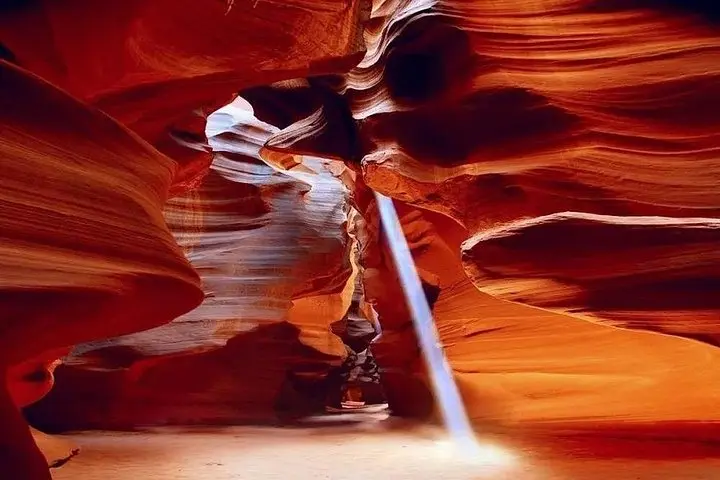
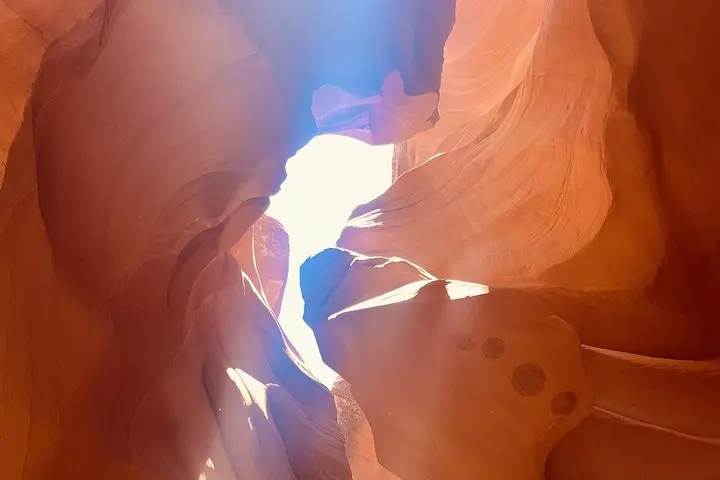
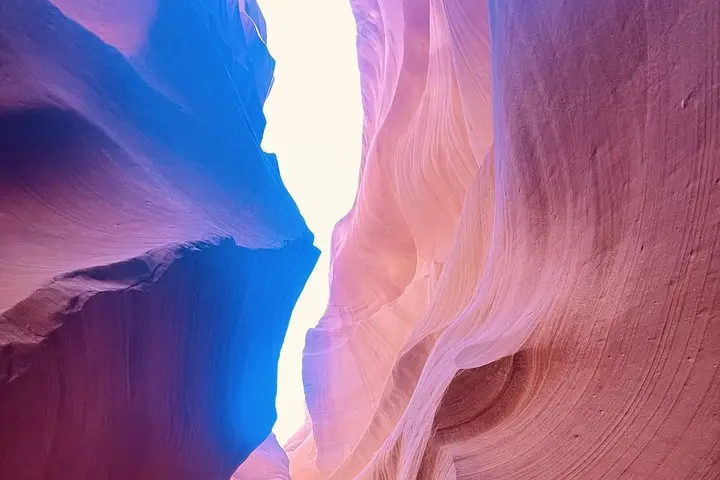
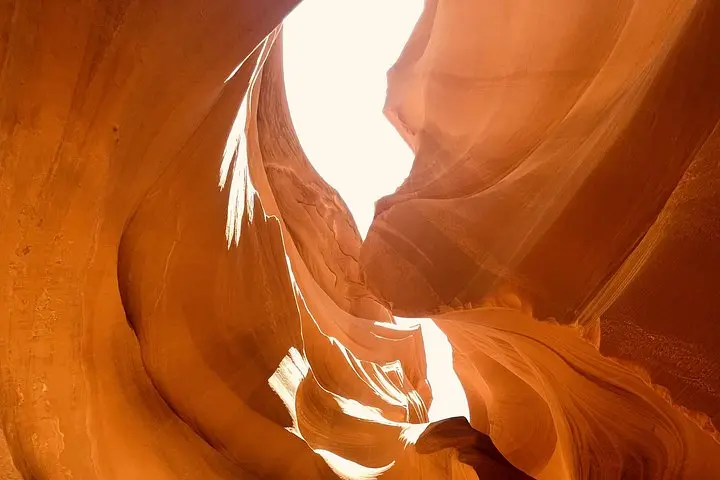
By midmorning the group stands at the lip of Upper Antelope Canyon, where sunlight slices through narrow openings and the sandstone responds like a living surface, shifting colors as if it were breathing. The canyon’s Navajo name, Tsé bighánílíní, means "the place where water runs through rocks," a reminder of the flash floods that carved these walls and continue to shape them.
A short drive and a modest walk bring travelers to Horseshoe Bend, an entrenched meander where the Colorado River has pushed and gouged for millions of years — uplift and incision working together to produce the cliff-edge panorama. Glen Canyon Dam’s overlook offers a different voice: concrete and engineering meeting the river that forged the valley.
These sites sit on Navajo Nation land; licensed local guides interpret cultural meaning and enforce safety and photography rules that protect both people and place. Expect mostly flat walking, uneven stone steps, narrow canyon footing, and bright sun.
Practical advice: carry at least 1–2 liters of water, sun protection, and comfortable shoes with grip; a small daypack is enough. Prime-time bookings aim for peak light inside Upper Antelope, but beams are seasonal — plan summer for the strongest shafts. Allow the better part of a day for travel from Las Vegas, and follow guides’ instructions for safety in slot canyons and on slick, exposed viewpoints.
Yes — Upper Antelope Canyon is on Navajo Nation land and visits are only allowed with licensed Navajo guides; photography rules are set by the guides.
Expect roughly 4.5–5 hours one-way by road to Page, Arizona depending on traffic and stops; this tour is a full-day outing.
Light beams are seasonal and weather-dependent — they’re most common in summer when the sun is high; 'prime time' tickets are scheduled for the best light windows but cannot guarantee beams.
The tour is generally family-friendly but involves uneven footing and some steps; it’s not recommended for travelers with significant mobility limitations or certain health conditions.
SV Tour operates guided outdoor trips and adventures with an emphasis on safety, stewardship, and memorable experiences.
Before sunrise the van pulls away from the Strip and the desert unfurls — an ochre plain that seems to hold its breath until light finds a canyon.
Before sunrise the van pulls away from the Strip and the desert unfurls — an ochre plain that seems to hold its breath until light finds a canyon.
By midmorning the group stands at the lip of Upper Antelope Canyon, where sunlight slices through narrow openings and the sandstone responds like a living surface, shifting colors as if it were breathing. The canyon’s Navajo name, Tsé bighánílíní, means "the place where water runs through rocks," a reminder of the flash floods that carved these walls and continue to shape them.
A short drive and a modest walk bring travelers to Horseshoe Bend, an entrenched meander where the Colorado River has pushed and gouged for millions of years — uplift and incision working together to produce the cliff-edge panorama. Glen Canyon Dam’s overlook offers a different voice: concrete and engineering meeting the river that forged the valley.
These sites sit on Navajo Nation land; licensed local guides interpret cultural meaning and enforce safety and photography rules that protect both people and place. Expect mostly flat walking, uneven stone steps, narrow canyon footing, and bright sun.
Practical advice: carry at least 1–2 liters of water, sun protection, and comfortable shoes with grip; a small daypack is enough. Prime-time bookings aim for peak light inside Upper Antelope, but beams are seasonal — plan summer for the strongest shafts. Allow the better part of a day for travel from Las Vegas, and follow guides’ instructions for safety in slot canyons and on slick, exposed viewpoints.