THE ADVENTURE COLLECTIVE® · Independent discovery and booking for outdoor travel

Walk the animal-made paths of Shiretoko’s primeval forest on snowshoes and watch for red foxes and sika deer. This 3.5-hour guided tour blends winter landscape photography, wildlife tracking, and hands-on instruction for off-trail travel.
Walk the animal-made paths of Shiretoko’s primeval forest on snowshoes and watch for red foxes and sika deer. This 3.5-hour guided tour blends winter landscape photography, wildlife tracking, and hands-on instruction for off-trail travel.
A hush falls as the first snow compresses beneath your snowshoes and the wind off the Sea of Okhotsk sharpens the air. You follow animal-made tracks into old-growth forest where trunks wear lichen like weathered armor and a narrow creek disappears beneath a porcelain crust. The guide pauses; footprints — fox, deer — thread the slope ahead.
Verified experiences and guided adventures in the surrounding area.
Operated by Picchio Shiretoko · Utoro, Hokkaido
A hush falls as the first snow compresses beneath your snowshoes and the wind off the Sea of Okhotsk sharpens the air. You follow animal-made tracks into old-growth forest where trunks wear lichen like weathered armor and a narrow creek disappears beneath a porcelain crust. The guide pauses; footprints — fox, deer — thread the slope ahead.
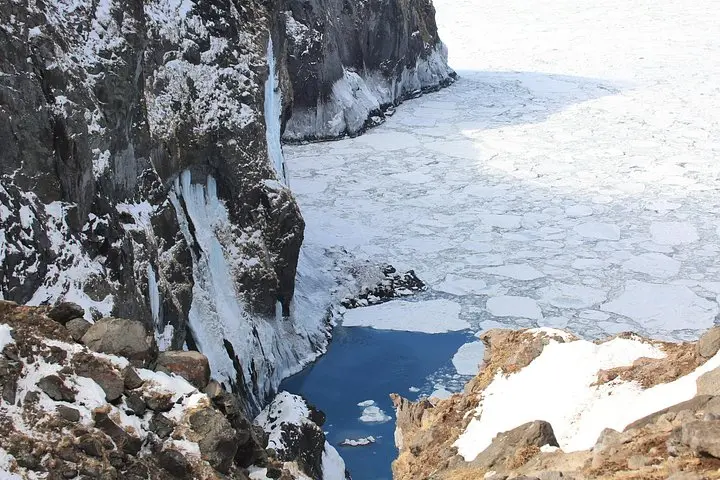
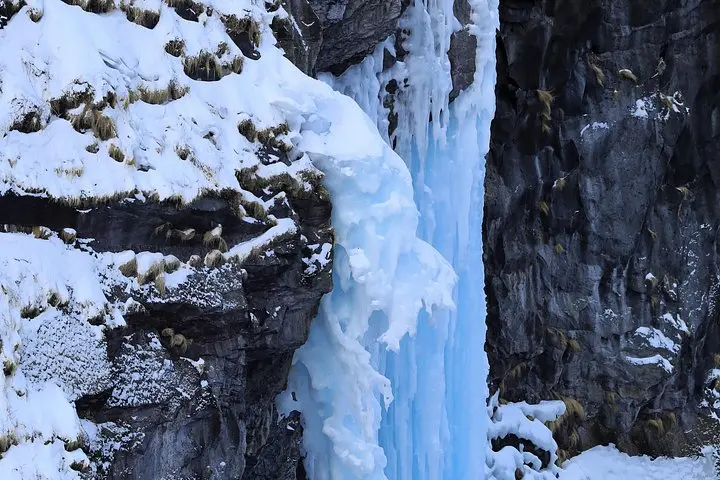
This stretch of Shiretoko Peninsula sits on volcanic bedrock uplifted by tectonic force, shaped by glaciers and sea ice. The area is part of Shiretoko National Park, recognized for its intact marine-to-mountain ecosystems and Ainu cultural links to the land and sea. Winter turns waterfalls into glassy sculptures; the site known locally as “Tears of Man” freezes into a blue-white column.
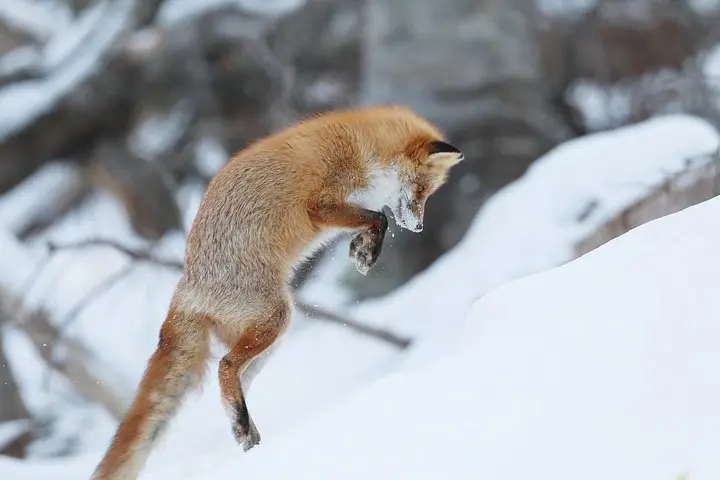
Expect off-trail travel on animal pathways, variable snow depths and quiet wildlife encounters — Ezo sika deer and red foxes are common. Guides teach footprint reading and low-impact approaches so animals remain wild.
Practical guidance: bring warm, layered clothing, waterproof boots or use provided rubber boots and loaned snowshoes if needed; tours last about 3.5 hours with moderate exertion across uneven, snowy terrain. Start mid-morning for stable light and animal activity; keep camera ready but hands warm with gloves that allow quick access. Respect distance rules — binoculars and zoom lenses are better than chasing views. Because trails are unmarked, a guide’s local knowledge is essential; this experience is best for families with older kids (6+) or adults in moderate shape seeking a close-to-wild winter outing.
Yes—many operators provide snowshoe rental and rubber boots; confirm sizes when booking.
Common sightings include Ezo sika deer and Ezo red foxes; marine views may include sea ice and distant coastal birds.
Children 6 and older are typically permitted but must be able to hike in cold conditions for several hours—check age rules when booking.
Tours may be canceled or rescheduled in extreme weather for safety; operators often require cancellation at least 24 hours prior for a full refund.
Picchio Shiretoko operates guided outdoor trips and adventures with an emphasis on safety, stewardship, and memorable experiences.
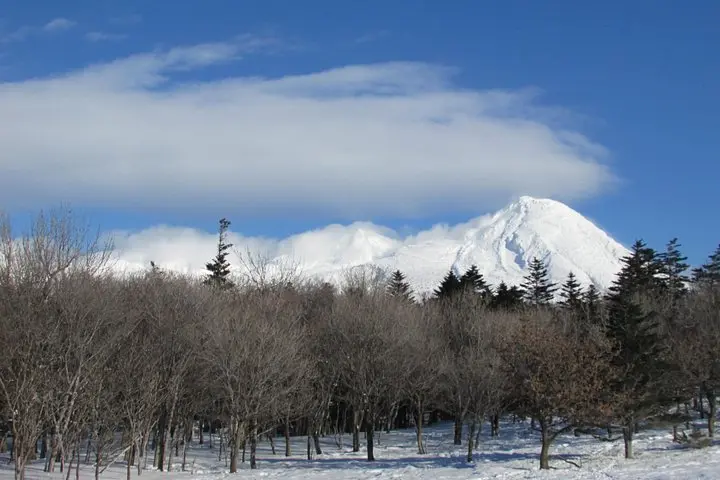
A hush falls as the first snow compresses beneath your snowshoes and the wind off the Sea of Okhotsk sharpens the air. You follow animal-made tracks into old-growth forest where trunks wear lichen like weathered armor and a narrow creek disappears beneath a porcelain crust. The guide pauses; footprints — fox, deer — thread the slope ahead.
A hush falls as the first snow compresses beneath your snowshoes and the wind off the Sea of Okhotsk sharpens the air. You follow animal-made tracks into old-growth forest where trunks wear lichen like weathered armor and a narrow creek disappears beneath a porcelain crust. The guide pauses; footprints — fox, deer — thread the slope ahead.
This stretch of Shiretoko Peninsula sits on volcanic bedrock uplifted by tectonic force, shaped by glaciers and sea ice. The area is part of Shiretoko National Park, recognized for its intact marine-to-mountain ecosystems and Ainu cultural links to the land and sea. Winter turns waterfalls into glassy sculptures; the site known locally as “Tears of Man” freezes into a blue-white column.
Expect off-trail travel on animal pathways, variable snow depths and quiet wildlife encounters — Ezo sika deer and red foxes are common. Guides teach footprint reading and low-impact approaches so animals remain wild.
Practical guidance: bring warm, layered clothing, waterproof boots or use provided rubber boots and loaned snowshoes if needed; tours last about 3.5 hours with moderate exertion across uneven, snowy terrain. Start mid-morning for stable light and animal activity; keep camera ready but hands warm with gloves that allow quick access. Respect distance rules — binoculars and zoom lenses are better than chasing views. Because trails are unmarked, a guide’s local knowledge is essential; this experience is best for families with older kids (6+) or adults in moderate shape seeking a close-to-wild winter outing.