THE ADVENTURE COLLECTIVE® · Independent discovery and booking for outdoor travel

Cross the Sea of Marmara to Büyükada for an 8-hour escape from Istanbul: ferry cruise, Ottoman mansions, electric wagons and a fresh seasonal lunch. Plan for layers, comfortable shoes, and a relaxed schedule to swim, shop, or climb to Aya Yorgi for views.
Cross the Sea of Marmara to Büyükada for an 8-hour escape from Istanbul: ferry cruise, Ottoman mansions, electric wagons and a fresh seasonal lunch. Plan for layers, comfortable shoes, and a relaxed schedule to swim, shop, or climb to Aya Yorgi for views.
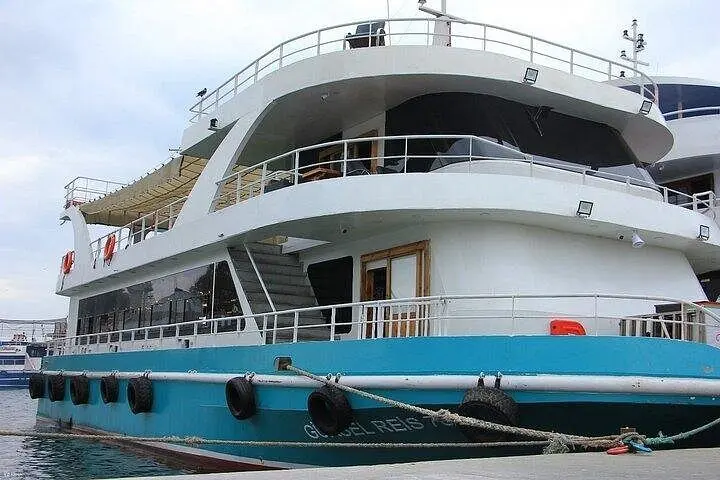
The ferry slips away from Eminönü and the cityscape peels back into open water; gulls cut across the wake and the Sea of Marmara dares you to blink. By the time Büyükada’s shoreline comes into view, cedar-shaded streets and the low-slung roofs of Ottoman-era mansions have already set a quieter pace.
Verified experiences and guided adventures in the surrounding area.
Operated by Middle East Leisure Management LLC · Büyükada, Istanbul
The ferry slips away from Eminönü and the cityscape peels back into open water; gulls cut across the wake and the Sea of Marmara dares you to blink. By the time Büyükada’s shoreline comes into view, cedar-shaded streets and the low-slung roofs of Ottoman-era mansions have already set a quieter pace.
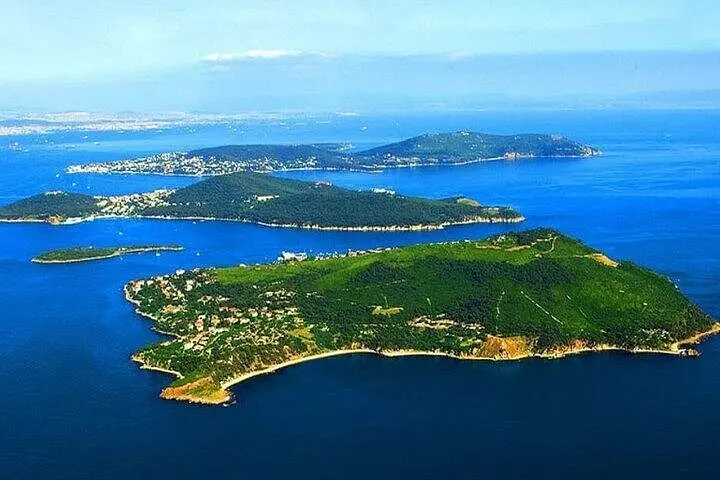
Buyukada is the largest of the Princes’ Islands, a cluster used for summer retreats and exile during Ottoman times; its wooden villas and faded summer houses date mainly from the late 19th and early 20th centuries. Geologically the islands are low, rocky outcrops of the Marmara basin—easy to walk but edged by steep, photogenic shorelines where the sea can suddenly press forward.
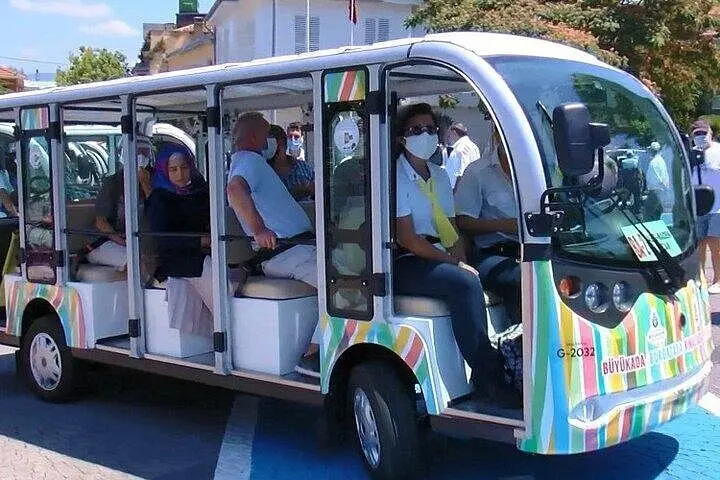
Culturally the island still feels like a slower Istanbul: no private cars, a handful of electric wagons and bikes, and small cafés serving fish, meze and seasonal fruit. Visitors often combine a ferry cruise with a lunch of local specialties, a stroll past cedar groves to Aya Yorgi hill, or a dip at a pebble cove.
Practical guidance: bring layered clothing for windy crossings, comfortable walking shoes for unpaved lanes and stairs, and cash for small shops and cafés. Ferries run regularly from both the European and Asian sides, but schedules thin in winter; plan pickups accordingly. If you want a swim, aim for summer mornings when water is clearest; for architecture and quieter streets, visit shoulder seasons. Expect an 8-hour round trip with time to eat, explore, and return to Istanbul by late afternoon—enough to feel removed from the city but close enough for a relaxed day.
The tour runs about 8 hours and typically includes round-trip ferry transport, local guide service, lunch, island free time for swimming and shopping, and hotel pickup on the European side.
Private cars are prohibited; transport is by electric carriage, bicycles, or on foot—historic horse-drawn carriages are largely replaced by electric vehicles.
Most lunches feature seasonal, fresh ingredients and restaurants can usually accommodate vegetarian options if requested in advance—notify the operator when booking.
The island has uneven streets and some steep sections; it’s not recommended for people with significant mobility limitations or spinal issues unless assistance is arranged.
Middle East Leisure Management LLC operates guided outdoor trips and adventures with an emphasis on safety, stewardship, and memorable experiences.
The ferry slips away from Eminönü and the cityscape peels back into open water; gulls cut across the wake and the Sea of Marmara dares you to blink. By the time Büyükada’s shoreline comes into view, cedar-shaded streets and the low-slung roofs of Ottoman-era mansions have already set a quieter pace.
The ferry slips away from Eminönü and the cityscape peels back into open water; gulls cut across the wake and the Sea of Marmara dares you to blink. By the time Büyükada’s shoreline comes into view, cedar-shaded streets and the low-slung roofs of Ottoman-era mansions have already set a quieter pace.
Buyukada is the largest of the Princes’ Islands, a cluster used for summer retreats and exile during Ottoman times; its wooden villas and faded summer houses date mainly from the late 19th and early 20th centuries. Geologically the islands are low, rocky outcrops of the Marmara basin—easy to walk but edged by steep, photogenic shorelines where the sea can suddenly press forward.
Culturally the island still feels like a slower Istanbul: no private cars, a handful of electric wagons and bikes, and small cafés serving fish, meze and seasonal fruit. Visitors often combine a ferry cruise with a lunch of local specialties, a stroll past cedar groves to Aya Yorgi hill, or a dip at a pebble cove.
Practical guidance: bring layered clothing for windy crossings, comfortable walking shoes for unpaved lanes and stairs, and cash for small shops and cafés. Ferries run regularly from both the European and Asian sides, but schedules thin in winter; plan pickups accordingly. If you want a swim, aim for summer mornings when water is clearest; for architecture and quieter streets, visit shoulder seasons. Expect an 8-hour round trip with time to eat, explore, and return to Istanbul by late afternoon—enough to feel removed from the city but close enough for a relaxed day.