THE ADVENTURE COLLECTIVE® · Independent discovery and booking for outdoor travel

A compact 60–90 minute walking tour that covers 1.5–2 miles of Princeton’s campus and mansion row, pairing Gothic architecture and presidential homes with local stories and insider tips. Great for first‑time visitors who want a focused history lesson and practical guidance.
A compact 60–90 minute walking tour that covers 1.5–2 miles of Princeton’s campus and mansion row, pairing Gothic architecture and presidential homes with local stories and insider tips. Great for first‑time visitors who want a focused history lesson and practical guidance.
You meet at a 50‑foot monument off Nassau Street, the morning light hitting slate roofs and the carved stone faces of a college town that still argues with its past. The guide threads the group through tree‑lined streets and wide university greens, pausing by mansions whose facades demand a second look and by plaques that remember presidents, poets, and a Nobel physicist.
Verified experiences and guided adventures in the surrounding area.
Operated by CityWalk Princeton · Princeton, New Jersey
You meet at a 50‑foot monument off Nassau Street, the morning light hitting slate roofs and the carved stone faces of a college town that still argues with its past. The guide threads the group through tree‑lined streets and wide university greens, pausing by mansions whose facades demand a second look and by plaques that remember presidents, poets, and a Nobel physicist.
This 60–90 minute, 1.5–2 mile loop sketches Princeton’s layered history: Revolutionary War movements that briefly made town the nation’s seat, the rise of Gothic campus architecture in the 19th century, and the quieter domestic stories of the mansion owners who shaped the town’s social map. You’ll pass Einstein’s house, stately presidential homes, and the university’s chapel — one of the largest in the U.S. — while the guide adds local color on food, nightlife, and lesser‑known stops like the free art museum.
The route is urban but varied: paved sidewalks, historic stone steps, and wide campus quads. It’s wheelchair and stroller accessible on most parts, though some older sidewalks can be uneven. The small‑group format (max ~12) lets the guide adapt the 1–2 hour route, answering questions and pointing to hidden plaques and cemetery gravesites of notable figures.
Practical side: wear comfortable walking shoes, bring water and a light layer for chapel interiors, and plan for weather changes—tours cancel in poor conditions. Morning tours avoid crowds and offer cooler temperatures in summer; fall shows the best leaf color on campus trees. For visitors who want a compact, local perspective on Princeton’s people and places, this walk delivers history with pragmatic route notes and insider tips.
Meet at the 50‑foot monument just off Nassau Street; if you reach a large open field you are in the wrong spot. The guide will start on time.
Most of the route is wheelchair and stroller accessible, but some older sidewalks are uneven—contact the operator ahead of time to confirm accommodations.
The tour includes pauses outside major buildings and may step briefly into open public spaces like the chapel lobby or free art museum when available, but extended indoor admissions are not guaranteed.
Yes—infants and small children in strollers are welcome, and the guide tailors commentary to be engaging for mixed groups.
CityWalk Princeton operates guided outdoor trips and adventures with an emphasis on safety, stewardship, and memorable experiences.
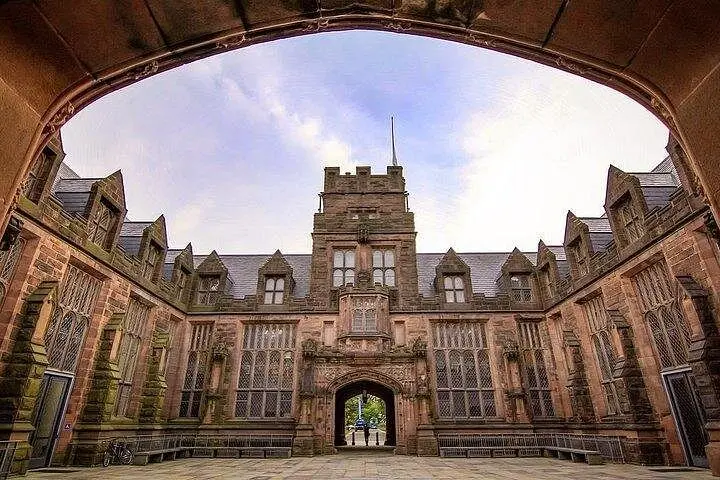
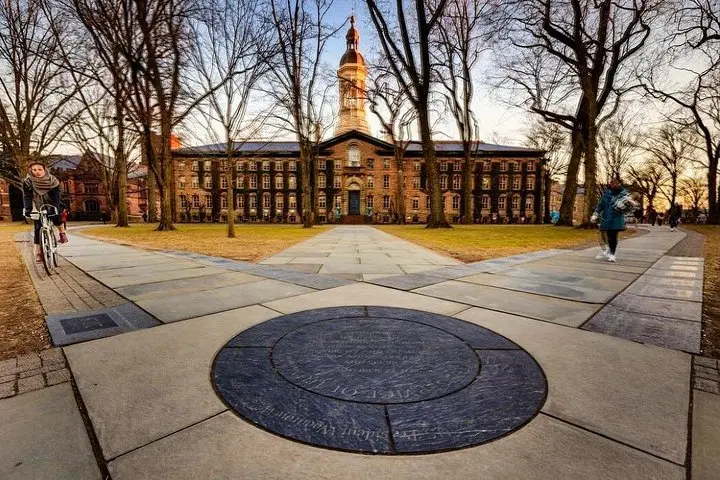
You meet at a 50‑foot monument off Nassau Street, the morning light hitting slate roofs and the carved stone faces of a college town that still argues with its past. The guide threads the group through tree‑lined streets and wide university greens, pausing by mansions whose facades demand a second look and by plaques that remember presidents, poets, and a Nobel physicist.
You meet at a 50‑foot monument off Nassau Street, the morning light hitting slate roofs and the carved stone faces of a college town that still argues with its past. The guide threads the group through tree‑lined streets and wide university greens, pausing by mansions whose facades demand a second look and by plaques that remember presidents, poets, and a Nobel physicist.
This 60–90 minute, 1.5–2 mile loop sketches Princeton’s layered history: Revolutionary War movements that briefly made town the nation’s seat, the rise of Gothic campus architecture in the 19th century, and the quieter domestic stories of the mansion owners who shaped the town’s social map. You’ll pass Einstein’s house, stately presidential homes, and the university’s chapel — one of the largest in the U.S. — while the guide adds local color on food, nightlife, and lesser‑known stops like the free art museum.
The route is urban but varied: paved sidewalks, historic stone steps, and wide campus quads. It’s wheelchair and stroller accessible on most parts, though some older sidewalks can be uneven. The small‑group format (max ~12) lets the guide adapt the 1–2 hour route, answering questions and pointing to hidden plaques and cemetery gravesites of notable figures.
Practical side: wear comfortable walking shoes, bring water and a light layer for chapel interiors, and plan for weather changes—tours cancel in poor conditions. Morning tours avoid crowds and offer cooler temperatures in summer; fall shows the best leaf color on campus trees. For visitors who want a compact, local perspective on Princeton’s people and places, this walk delivers history with pragmatic route notes and insider tips.