THE ADVENTURE COLLECTIVE® · Independent discovery and booking for outdoor travel

Spend a reflective day in Priorat tasting wines shaped by llicorella soil and savor a gourmet three-course lunch. This guided tour from Barcelona pairs vineyard walks and cellar visits with practical insights into the region’s geology and winemaking.
Spend a reflective day in Priorat tasting wines shaped by llicorella soil and savor a gourmet three-course lunch. This guided tour from Barcelona pairs vineyard walks and cellar visits with practical insights into the region’s geology and winemaking.
You climb out of Barcelona’s flat horizon and into a country of folded ridges, where terraces clamp to steep slopes and wind sculpts rows of vines into rigid lines.
Verified experiences and guided adventures in the surrounding area.
Operated by Sunday Stories · Falset, Catalonia
You climb out of Barcelona’s flat horizon and into a country of folded ridges, where terraces clamp to steep slopes and wind sculpts rows of vines into rigid lines.
In Priorat the ground has a voice: llicorella, a slate-and-quartz schist that holds heat and squeezes flavor into grapes. A guided day tour traces those folds—two boutique cellars, a slow three-course lunch, and viewpoints that throw the Pyrenees and the Mediterranean into the same glance. Between tastings the guide explains how terraced viticulture, Carthusian monks, and a 20th-century winemaking revival shaped the modern DOCa Priorat.
Geology matters here; the slate not only flavors wine but forces growers to farm small plots by hand. The culture is local and direct—small villages like Gratallops and Porrera keep family-run cellars and simple, ingredient-first cuisine.
Practical guidance: the tour is a long day (about nine hours) with hotel pickup in Barcelona. Expect short walks on uneven vineyard tracks—sturdy shoes and sun protection are essential. Tastings include technical notes on varietals (garnacha, cariñena) and sustainable practices; bring a small cash reserve for bottle purchases. Timing favors spring and fall for mild weather and quieter cellars; summer brings heat, winter can close some vineyards. If you want photos, ask before entering production areas and leave large backpacks on the bus. The tour is ideal for curious wine lovers who want context—geology, history, and food—woven into a practical day-long introduction to one of Spain’s most characterful wine regions.
The tour lasts about nine hours with hotel pickup and drop-off in Barcelona; exact pickup points are provided at booking.
Yes—tastings at two wineries are included; expect multiple samples at each, plus a paired three-course lunch at the second estate.
Yes—the operator can usually accommodate dietary needs if notified in advance during booking.
Yes—most cellars sell bottles on-site; small producers may accept card or cash, so bring payment and space in your luggage for purchases.
Sunday Stories operates guided outdoor trips and adventures with an emphasis on safety, stewardship, and memorable experiences.
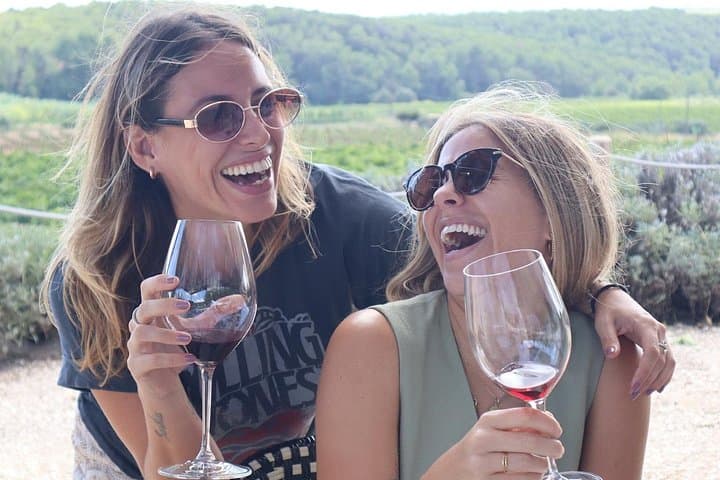


You climb out of Barcelona’s flat horizon and into a country of folded ridges, where terraces clamp to steep slopes and wind sculpts rows of vines into rigid lines.
You climb out of Barcelona’s flat horizon and into a country of folded ridges, where terraces clamp to steep slopes and wind sculpts rows of vines into rigid lines.
In Priorat the ground has a voice: llicorella, a slate-and-quartz schist that holds heat and squeezes flavor into grapes. A guided day tour traces those folds—two boutique cellars, a slow three-course lunch, and viewpoints that throw the Pyrenees and the Mediterranean into the same glance. Between tastings the guide explains how terraced viticulture, Carthusian monks, and a 20th-century winemaking revival shaped the modern DOCa Priorat.
Geology matters here; the slate not only flavors wine but forces growers to farm small plots by hand. The culture is local and direct—small villages like Gratallops and Porrera keep family-run cellars and simple, ingredient-first cuisine.
Practical guidance: the tour is a long day (about nine hours) with hotel pickup in Barcelona. Expect short walks on uneven vineyard tracks—sturdy shoes and sun protection are essential. Tastings include technical notes on varietals (garnacha, cariñena) and sustainable practices; bring a small cash reserve for bottle purchases. Timing favors spring and fall for mild weather and quieter cellars; summer brings heat, winter can close some vineyards. If you want photos, ask before entering production areas and leave large backpacks on the bus. The tour is ideal for curious wine lovers who want context—geology, history, and food—woven into a practical day-long introduction to one of Spain’s most characterful wine regions.