THE ADVENTURE COLLECTIVE® · Independent discovery and booking for outdoor travel

A half-day trip from Stone Town to Prison Island pairs century-old ruins and Aldabra giant tortoises with shallow coral snorkeling and warm Indian Ocean beaches. Perfect for families and quick explorers who want wildlife, history, and a day in the water.
A half-day trip from Stone Town to Prison Island pairs century-old ruins and Aldabra giant tortoises with shallow coral snorkeling and warm Indian Ocean beaches. Perfect for families and quick explorers who want wildlife, history, and a day in the water.
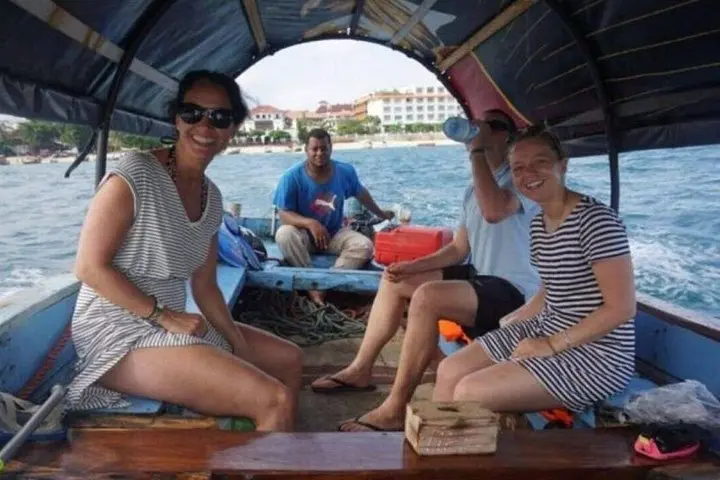
A short boat ride from Stone Town throws you into sunlit shallows and a low, scrubby island rimmed with pale sand. The water dares you to wade in; it pushes bright schools of fish toward the reef while the island’s old stone buildings keep watch from the shore. Giant Aldabra tortoises move with deliberate curiosity through the shade, uninterested in the hurry of visitors.
Verified experiences and guided adventures in the surrounding area.
Operated by Riser tours and safaris Zanzibar · Stone Town, Zanzibar
A short boat ride from Stone Town throws you into sunlit shallows and a low, scrubby island rimmed with pale sand. The water dares you to wade in; it pushes bright schools of fish toward the reef while the island’s old stone buildings keep watch from the shore. Giant Aldabra tortoises move with deliberate curiosity through the shade, uninterested in the hurry of visitors.
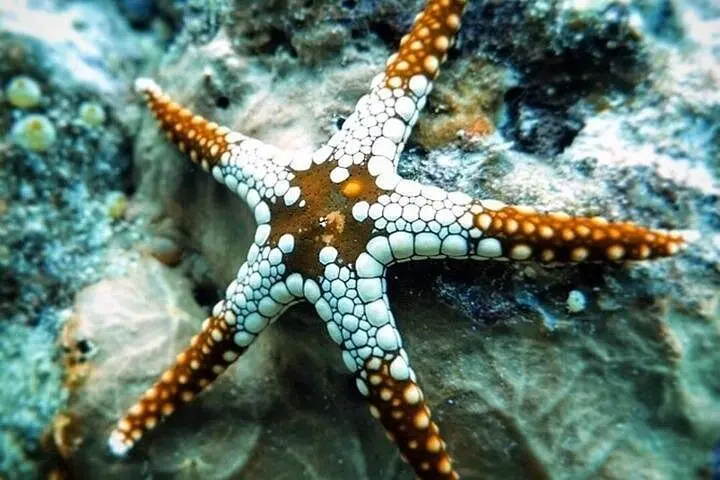
Prison Island—locally Changuu—has a layered past: conceived in the 19th century as a deterrent and later used as a quarantine station, its crumbling cells and colonial masonry speak to Zanzibar’s complex history of trade and empire. Geologically the island is a raised coral outcrop; the surrounding reef is alive with parrotfish, wrasse, and branching coral that survived careful conservation efforts.
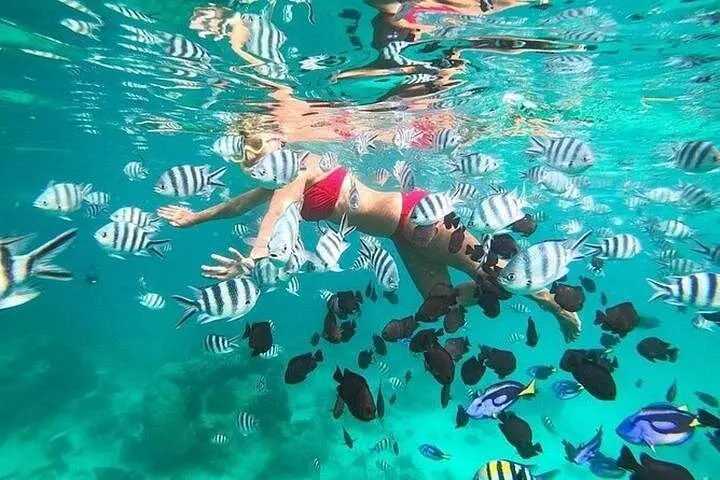
Culture here is casual and immediate: local guides weave stories about the island’s purpose, while crews offer fresh tropical fruit and a chance to feed the tortoises under supervision. Snorkeling reveals a shallow reef within easy swim distance of the beach—visibility and currents are usually calm in the morning.
Practical guide: plan a morning trip for cleaner water and cooler light, bring reef‑safe sunscreen and a fitted mask if you prefer, and wear water shoes for the jetty. Respect the tortoises—follow staff directions—and carry small cash for park fees or souvenirs. The tour is short (about three hours), family-friendly, and requires only light walking and basic swimming; it’s an ideal half-day blend of wildlife viewing, history, and easy reef snorkeling.
The crossing is short—typically about 20–30 minutes depending on sea state and the pick-up point in Stone Town.
Yes; most operators supply mask, snorkel and fins, but bringing your own mask often improves fit and comfort.
Feeding may be allowed under guide supervision with staff-provided fruit; avoid touching or disturbing the tortoises unless directed by staff.
The island has uneven paths, steps, and sandy areas; it’s not fully wheelchair-accessible and may be challenging for those with significant mobility limitations.
Riser tours and safaris Zanzibar operates guided outdoor trips and adventures with an emphasis on safety, stewardship, and memorable experiences.

A short boat ride from Stone Town throws you into sunlit shallows and a low, scrubby island rimmed with pale sand. The water dares you to wade in; it pushes bright schools of fish toward the reef while the island’s old stone buildings keep watch from the shore. Giant Aldabra tortoises move with deliberate curiosity through the shade, uninterested in the hurry of visitors.
A short boat ride from Stone Town throws you into sunlit shallows and a low, scrubby island rimmed with pale sand. The water dares you to wade in; it pushes bright schools of fish toward the reef while the island’s old stone buildings keep watch from the shore. Giant Aldabra tortoises move with deliberate curiosity through the shade, uninterested in the hurry of visitors.
Prison Island—locally Changuu—has a layered past: conceived in the 19th century as a deterrent and later used as a quarantine station, its crumbling cells and colonial masonry speak to Zanzibar’s complex history of trade and empire. Geologically the island is a raised coral outcrop; the surrounding reef is alive with parrotfish, wrasse, and branching coral that survived careful conservation efforts.
Culture here is casual and immediate: local guides weave stories about the island’s purpose, while crews offer fresh tropical fruit and a chance to feed the tortoises under supervision. Snorkeling reveals a shallow reef within easy swim distance of the beach—visibility and currents are usually calm in the morning.
Practical guide: plan a morning trip for cleaner water and cooler light, bring reef‑safe sunscreen and a fitted mask if you prefer, and wear water shoes for the jetty. Respect the tortoises—follow staff directions—and carry small cash for park fees or souvenirs. The tour is short (about three hours), family-friendly, and requires only light walking and basic swimming; it’s an ideal half-day blend of wildlife viewing, history, and easy reef snorkeling.