THE ADVENTURE COLLECTIVE® · Independent discovery and booking for outdoor travel

A short wooden-boat ride from Stone Town delivers you to Prison Island’s coral shorelines, century-old Aldabra tortoises, and evocative quarantine ruins. This easy half‑day trip blends wildlife viewing, light history, and a swim in clear Indian Ocean water.
A short wooden-boat ride from Stone Town delivers you to Prison Island’s coral shorelines, century-old Aldabra tortoises, and evocative quarantine ruins. This easy half‑day trip blends wildlife viewing, light history, and a swim in clear Indian Ocean water.
You step off the low wooden boat and the city noise drops behind you—only the slap of small waves and a warm ocean breeze remain. Prison Island’s squat silhouette rises from turquoise water: a compact coral limestone outcrop ringed by reefs, sun-warmed sand and the slow shuffle of hundred-year-old Aldabra tortoises.
Verified experiences and guided adventures in the surrounding area.
Operated by Boat Trips Club · Stone Town, Zanzibar
You step off the low wooden boat and the city noise drops behind you—only the slap of small waves and a warm ocean breeze remain. Prison Island’s squat silhouette rises from turquoise water: a compact coral limestone outcrop ringed by reefs, sun-warmed sand and the slow shuffle of hundred-year-old Aldabra tortoises.
The island’s history is plain in the cracked stonework. Built in the late 19th century under the Omani and Zanzibari administrations as a quarantine and short-lived detention site, the ruins now frame pathways between palms and the tortoise enclosure. Geologically it’s a coral-derived island—flat, porous limestone with shallow coastal fringing reefs that shape calm swimming coves.
Local guides trace the arc from colonial quarantine to present-day sanctuary: tortoises brought from the Seychelles, the island’s role in maritime trade, and how island life still orbits Stone Town by wooden skiff. Culture here is island-simple—captains who read wind and current, vendors on Stone Town’s docks, and the slow, obliging pace of the tortoises themselves.
Practical side: the trip is a 20–30 minute boat ride from Stone Town, roughly a three-hour round trip with time to walk the ruins, visit the tortoise sanctuary, and swim. Expect uneven sand, sun exposure, and limited shade—bring reef-safe sunscreen, a hat, and sturdy sandals. Boats are shared and small; mornings are cooler and the sea calmer. Guides provide water and soft drinks; tipping locally supports the keepers and boat crew. For a compact half‑day, this is an easy, tactile way to pair wildlife viewing with a slice of Zanzibar history.
The shared wooden boat takes about 20–30 minutes each way depending on sea conditions and the exact pickup point in Stone Town.
Yes—entrance to the tortoise sanctuary and a local English-speaking guide are included with the trip.
Yes—there’s free time to swim from the small beach; snorkeling is possible off rocky points but bring your own gear as rentals may be limited.
The tour is generally easy but not recommended for pregnant travelers; there are uneven paths and boarding small boats may be awkward for those with limited mobility.
Boat Trips Club operates guided outdoor trips and adventures with an emphasis on safety, stewardship, and memorable experiences.
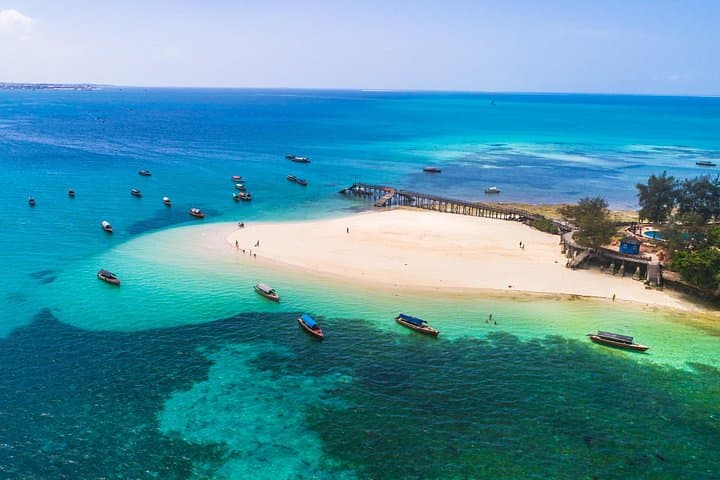


You step off the low wooden boat and the city noise drops behind you—only the slap of small waves and a warm ocean breeze remain. Prison Island’s squat silhouette rises from turquoise water: a compact coral limestone outcrop ringed by reefs, sun-warmed sand and the slow shuffle of hundred-year-old Aldabra tortoises.
You step off the low wooden boat and the city noise drops behind you—only the slap of small waves and a warm ocean breeze remain. Prison Island’s squat silhouette rises from turquoise water: a compact coral limestone outcrop ringed by reefs, sun-warmed sand and the slow shuffle of hundred-year-old Aldabra tortoises.
The island’s history is plain in the cracked stonework. Built in the late 19th century under the Omani and Zanzibari administrations as a quarantine and short-lived detention site, the ruins now frame pathways between palms and the tortoise enclosure. Geologically it’s a coral-derived island—flat, porous limestone with shallow coastal fringing reefs that shape calm swimming coves.
Local guides trace the arc from colonial quarantine to present-day sanctuary: tortoises brought from the Seychelles, the island’s role in maritime trade, and how island life still orbits Stone Town by wooden skiff. Culture here is island-simple—captains who read wind and current, vendors on Stone Town’s docks, and the slow, obliging pace of the tortoises themselves.
Practical side: the trip is a 20–30 minute boat ride from Stone Town, roughly a three-hour round trip with time to walk the ruins, visit the tortoise sanctuary, and swim. Expect uneven sand, sun exposure, and limited shade—bring reef-safe sunscreen, a hat, and sturdy sandals. Boats are shared and small; mornings are cooler and the sea calmer. Guides provide water and soft drinks; tipping locally supports the keepers and boat crew. For a compact half‑day, this is an easy, tactile way to pair wildlife viewing with a slice of Zanzibar history.