THE ADVENTURE COLLECTIVE® · Independent discovery and booking for outdoor travel

A private full‑day from Stone Town that pairs a short boat ride to Prison Island’s giant tortoises with sun and swimming at Nakupenda Beach, then a guided stroll through UNESCO‑listed Stone Town. Ideal for travelers seeking natural encounters and quick cultural immersion in one day.
A private full‑day from Stone Town that pairs a short boat ride to Prison Island’s giant tortoises with sun and swimming at Nakupenda Beach, then a guided stroll through UNESCO‑listed Stone Town. Ideal for travelers seeking natural encounters and quick cultural immersion in one day.
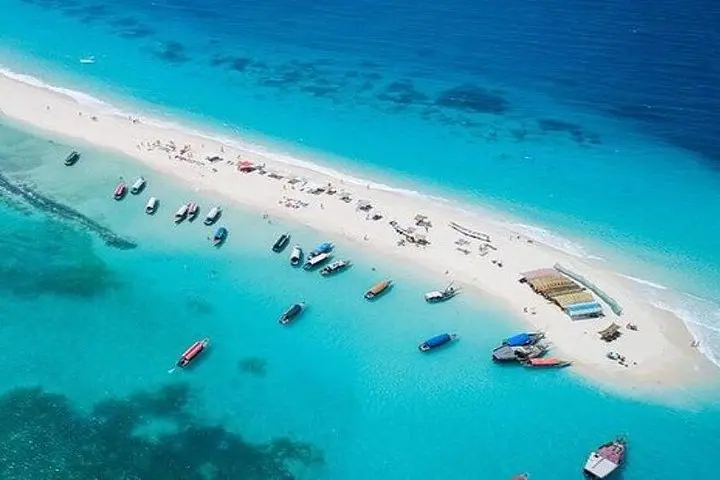
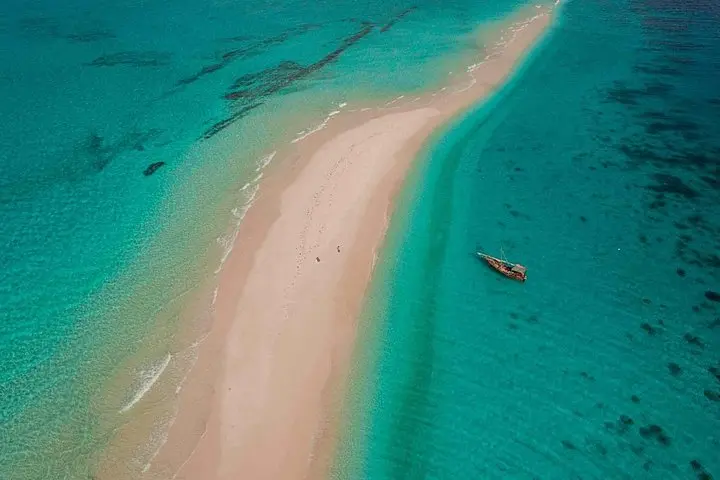
You step off the dhows into salt‑hot sunlight and the harbor exhales—boats creak, gulls argue, and the sea pulls at your shoes. The day begins in Stone Town, where ochre walls and carved wooden doors keep time with calls to prayer, then slips onto the water for a short crossing to Prison Island (Changuu) and the sugar‑white sweep of Nakupenda.
Verified experiences and guided adventures in the surrounding area.
Operated by Zanziflowers Tours And Safaris · Stone Town, Zanzibar
You step off the dhows into salt‑hot sunlight and the harbor exhales—boats creak, gulls argue, and the sea pulls at your shoes. The day begins in Stone Town, where ochre walls and carved wooden doors keep time with calls to prayer, then slips onto the water for a short crossing to Prison Island (Changuu) and the sugar‑white sweep of Nakupenda.
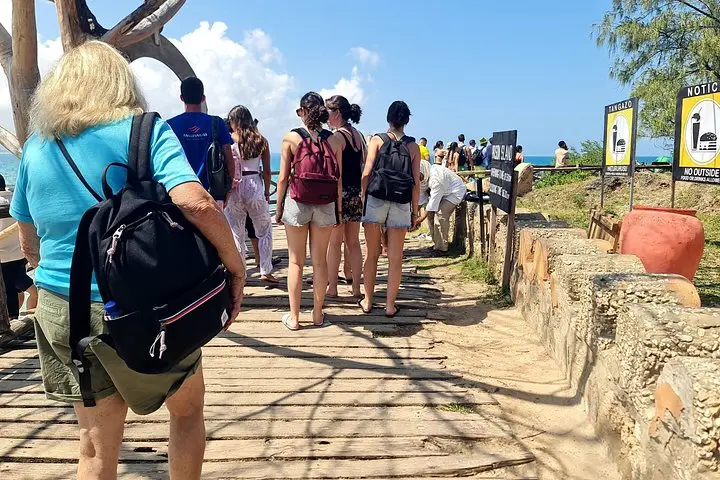
Prison Island wears its history plainly: built in the 19th century as a quarantine and slave holding site, its limestone walls and coral rock remember colonial trade routes and Omani influence. Geologically the island is coral limestone, bleached and pitted by wind and waves; its most famous residents, Aldabra giant tortoises, move with deliberate curiosity, a living link to Indian Ocean biogeography. Back on Unguja, Stone Town’s winding streets reveal Swahili culture, spice trade scars, and markets where fishermen still haggle at dawn.
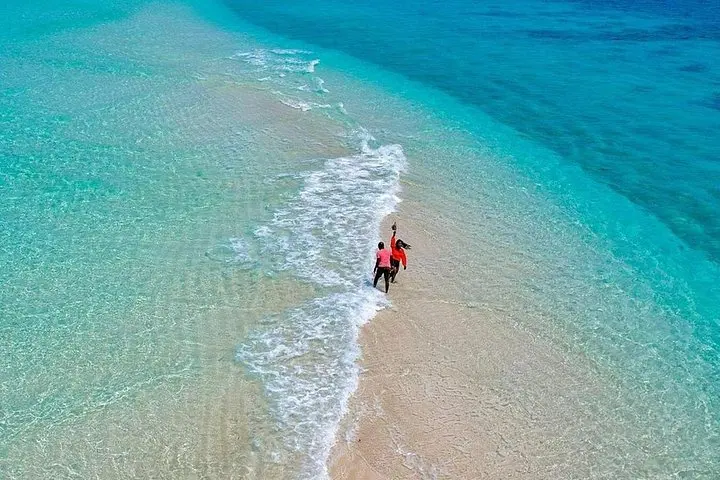
Expect a balanced day: roughly three hours exploring Prison Island—tortoise feeding, short coastal walks and a small museum—three hours relaxing or swimming on Nakupenda’s sandbank, and two hours wandering Stone Town’s lanes and markets. Practicalities matter: bring reef‑safe sunscreen, a hat, sturdy sandals for coral rock, and cash for small vendors. Guides typically provide hotel pickup, lunch, and all entrance fees on private tours; the boat crossing is short but can be choppy, so pick a calm morning if you’re prone to seasickness.
This itinerary pairs natural spectacle with tangible history—ideal for travelers who want accessible wildlife encounters and a compact primer on Zanzibar’s layered past.
The crossing from Stone Town to Prison Island takes about 20–30 minutes each way depending on sea conditions and boat type.
Yes—feeding is often permitted at the tortoise pens but only with food provided or approved by staff; follow your guide’s directions.
Yes—Nakupenda’s shallow, clear water is family‑friendly, but supervise children closely and be mindful of tides and sun exposure.
Most private tours include hotel pickup, boat transfers, entry fees, and lunch; confirm inclusions when booking and note pickup times.
Zanziflowers Tours And Safaris operates guided outdoor trips and adventures with an emphasis on safety, stewardship, and memorable experiences.
You step off the dhows into salt‑hot sunlight and the harbor exhales—boats creak, gulls argue, and the sea pulls at your shoes. The day begins in Stone Town, where ochre walls and carved wooden doors keep time with calls to prayer, then slips onto the water for a short crossing to Prison Island (Changuu) and the sugar‑white sweep of Nakupenda.
You step off the dhows into salt‑hot sunlight and the harbor exhales—boats creak, gulls argue, and the sea pulls at your shoes. The day begins in Stone Town, where ochre walls and carved wooden doors keep time with calls to prayer, then slips onto the water for a short crossing to Prison Island (Changuu) and the sugar‑white sweep of Nakupenda.
Prison Island wears its history plainly: built in the 19th century as a quarantine and slave holding site, its limestone walls and coral rock remember colonial trade routes and Omani influence. Geologically the island is coral limestone, bleached and pitted by wind and waves; its most famous residents, Aldabra giant tortoises, move with deliberate curiosity, a living link to Indian Ocean biogeography. Back on Unguja, Stone Town’s winding streets reveal Swahili culture, spice trade scars, and markets where fishermen still haggle at dawn.
Expect a balanced day: roughly three hours exploring Prison Island—tortoise feeding, short coastal walks and a small museum—three hours relaxing or swimming on Nakupenda’s sandbank, and two hours wandering Stone Town’s lanes and markets. Practicalities matter: bring reef‑safe sunscreen, a hat, sturdy sandals for coral rock, and cash for small vendors. Guides typically provide hotel pickup, lunch, and all entrance fees on private tours; the boat crossing is short but can be choppy, so pick a calm morning if you’re prone to seasickness.
This itinerary pairs natural spectacle with tangible history—ideal for travelers who want accessible wildlife encounters and a compact primer on Zanzibar’s layered past.