THE ADVENTURE COLLECTIVE® · Independent discovery and booking for outdoor travel

Spend a day between Stone Town’s historic alleys, the tortoise-inhabited Prison Island and a working spice farm. This private full-day tour mixes cultural history, wildlife viewing and sensory spice tastings with practical logistics for an easy, informative outing.
Spend a day between Stone Town’s historic alleys, the tortoise-inhabited Prison Island and a working spice farm. This private full-day tour mixes cultural history, wildlife viewing and sensory spice tastings with practical logistics for an easy, informative outing.
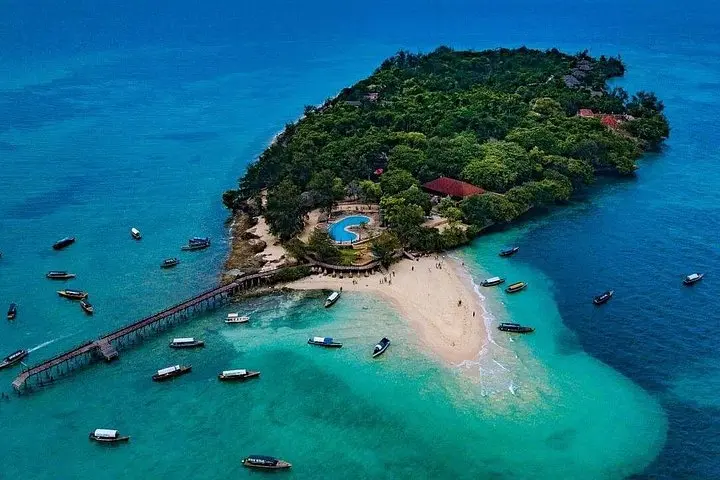
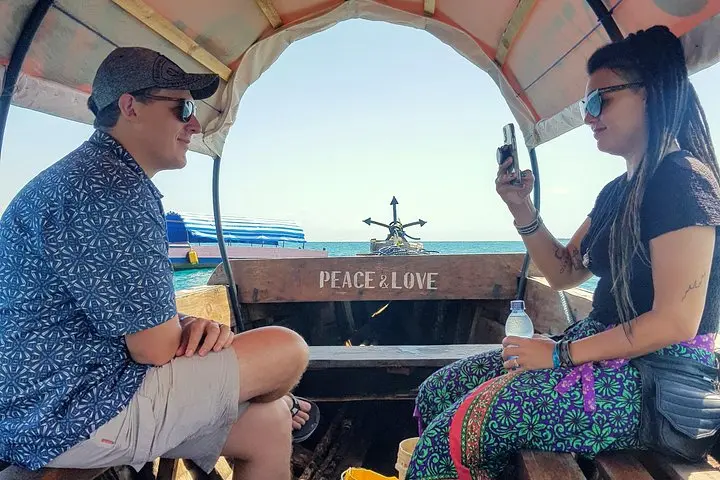
A breeze off the Indian Ocean lifts the scent of cloves and citrus as the dhow slips from Stone Town’s jetty toward Prison Island. On arrival the island’s ancient tortoises amble like slow-moving anchors against a bright coral shoreline; the sea beyond dares you to wade where reef fish flash like coins.
Verified experiences and guided adventures in the surrounding area.
Operated by Zanzibar holiday · Stone Town, Zanzibar
A breeze off the Indian Ocean lifts the scent of cloves and citrus as the dhow slips from Stone Town’s jetty toward Prison Island. On arrival the island’s ancient tortoises amble like slow-moving anchors against a bright coral shoreline; the sea beyond dares you to wade where reef fish flash like coins.
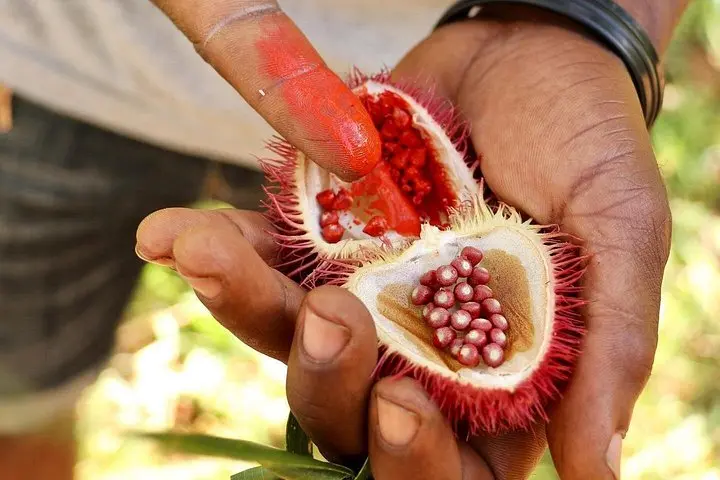
Stone Town’s alleyways tell a layered story — Omani merchants, Indian traders and European administrators shaped the carved doors and narrow lanes. The town earned UNESCO World Heritage status for its concentrated architectural mix and its role in the 19th-century spice and slave trades. Nearby spice farms explain why Zanzibar is called the Spice Islands: cloves, nutmeg and cinnamon grow where volcanic soils meet coastal humidity.
A knowledgeable guide connects the dots between culture and ecology, from the tortoise conservation efforts on Changuu (Prison Island) to the fragile coral gardens that fringe the shore. You’ll get hands-on time with spices — sniffing, tasting and learning which plants feed local markets — and pause at Stone Town for history, markets and a rooftop view.
Practical guidance: this is a full 8-hour day with light walking on uneven streets and sandy beaches. Wear comfortable shoes for cobbled alleys, sun protection, and bring a refillable water bottle. Expect short boat transfers, informal museum stops and a relaxed lunch of Swahili cuisine. If visiting during rainy months schedule extra time for transport. The route balances wildlife viewing, cultural context and sensory exploration—ideal for travelers who want both stories and straightforward logistics.
Most private tours include transportation from central Stone Town hotels; confirm your pickup point at booking and allow extra travel time for distant resorts.
Yes — there are sandy shoreline areas suitable for a swim, but currents vary and the guide will advise safe spots and reef conditions.
This operator lists admissions as included; confirm at booking and bring small change for optional donations or extra photos.
Yes — the itinerary suits a wide range of ages, though infants must sit on laps and those with spinal issues should avoid prolonged boat movement and uneven walking.
Zanzibar holiday operates guided outdoor trips and adventures with an emphasis on safety, stewardship, and memorable experiences.

A breeze off the Indian Ocean lifts the scent of cloves and citrus as the dhow slips from Stone Town’s jetty toward Prison Island. On arrival the island’s ancient tortoises amble like slow-moving anchors against a bright coral shoreline; the sea beyond dares you to wade where reef fish flash like coins.
A breeze off the Indian Ocean lifts the scent of cloves and citrus as the dhow slips from Stone Town’s jetty toward Prison Island. On arrival the island’s ancient tortoises amble like slow-moving anchors against a bright coral shoreline; the sea beyond dares you to wade where reef fish flash like coins.
Stone Town’s alleyways tell a layered story — Omani merchants, Indian traders and European administrators shaped the carved doors and narrow lanes. The town earned UNESCO World Heritage status for its concentrated architectural mix and its role in the 19th-century spice and slave trades. Nearby spice farms explain why Zanzibar is called the Spice Islands: cloves, nutmeg and cinnamon grow where volcanic soils meet coastal humidity.
A knowledgeable guide connects the dots between culture and ecology, from the tortoise conservation efforts on Changuu (Prison Island) to the fragile coral gardens that fringe the shore. You’ll get hands-on time with spices — sniffing, tasting and learning which plants feed local markets — and pause at Stone Town for history, markets and a rooftop view.
Practical guidance: this is a full 8-hour day with light walking on uneven streets and sandy beaches. Wear comfortable shoes for cobbled alleys, sun protection, and bring a refillable water bottle. Expect short boat transfers, informal museum stops and a relaxed lunch of Swahili cuisine. If visiting during rainy months schedule extra time for transport. The route balances wildlife viewing, cultural context and sensory exploration—ideal for travelers who want both stories and straightforward logistics.