THE ADVENTURE COLLECTIVE® · Independent discovery and booking for outdoor travel

Mount a camel and circle the Giza Plateau on a private one-hour ride that passes the Great Pyramid and its companions. This intimate, guided outing operates in permitted desert areas near the archaeological complex and offers practical local insight and close-up views.
Mount a camel and circle the Giza Plateau on a private one-hour ride that passes the Great Pyramid and its companions. This intimate, guided outing operates in permitted desert areas near the archaeological complex and offers practical local insight and close-up views.
Sunlight flattens over the plateau as a camel rises beneath you, shoulders rolling in a slow, patient rhythm. From that elevated perch the three pyramids of Giza sit like carved geometry against the sky — massive and immediate — while the desert around them breathes a dry, warm wind that carries bits of history.
Verified experiences and guided adventures in the surrounding area.
Operated by Egipto Excursiones · Giza, Giza Governorate
Sunlight flattens over the plateau as a camel rises beneath you, shoulders rolling in a slow, patient rhythm. From that elevated perch the three pyramids of Giza sit like carved geometry against the sky — massive and immediate — while the desert around them breathes a dry, warm wind that carries bits of history.
Riders trace routes that have been crossed for millennia. The Great Pyramid (built around 2560 BCE) crowns a limestone plateau that marks the edge of the Nile’s alluvial plain; the stones visible today were quarried and placed by techniques still studied by archaeologists. Local camel handlers and guides share practical stories and cultural context — from daily life in modern Giza to the centuries of caravan and pilgrimage traffic that shaped the surrounding villages.
This private, one-hour ride operates in the permitted desert zone directly adjacent to the archaeological complex, not within the protected core. Expect sandy, uneven terrain and the gentle motion of a dromedary: it’s accessible for most travelers but not recommended for those with spinal issues, pregnancy, or serious heart conditions. Plan for strong sun exposure—early morning or late afternoon slots cut the heat and soften the light for photos.
Practical pointers: arrive hydrated, wear closed-toe shoes and a brimmed hat, and follow the guide’s safety briefing when mounting and dismounting. Respect the site and local customs: ask before photographing people and avoid entering restricted zones. The experience is brief, tactile, and highly photogenic — a direct, human-scale way to encounter one of the world’s oldest landscapes.
No — the tour operates in the permitted desert area surrounding the pyramids to comply with Egyptian regulations; entry into the protected core is forbidden.
Yes; photography is permitted in the riding area, but always ask before photographing local people and avoid restricted zones.
Most children and fit older adults can participate, but it’s not recommended for people with spinal injuries, pregnancy, or serious cardiovascular issues.
The Giza Plateau is immediately west of central Giza and about 20–30 minutes from central Cairo depending on traffic; confirm pickup or meeting details with the operator.
Egipto Excursiones operates guided outdoor trips and adventures with an emphasis on safety, stewardship, and memorable experiences.
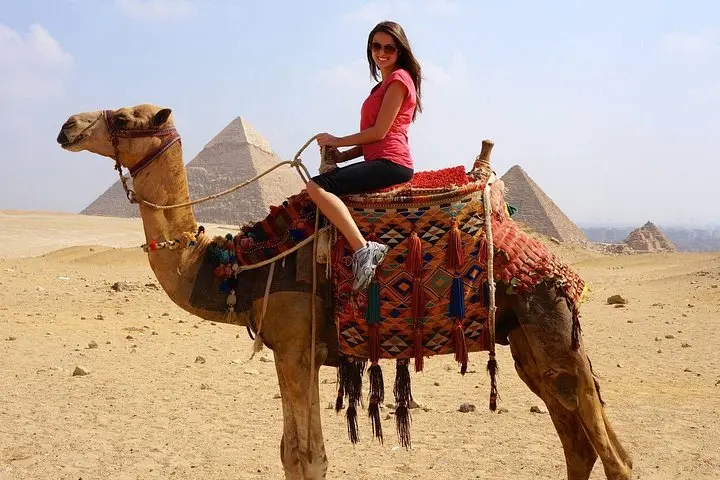
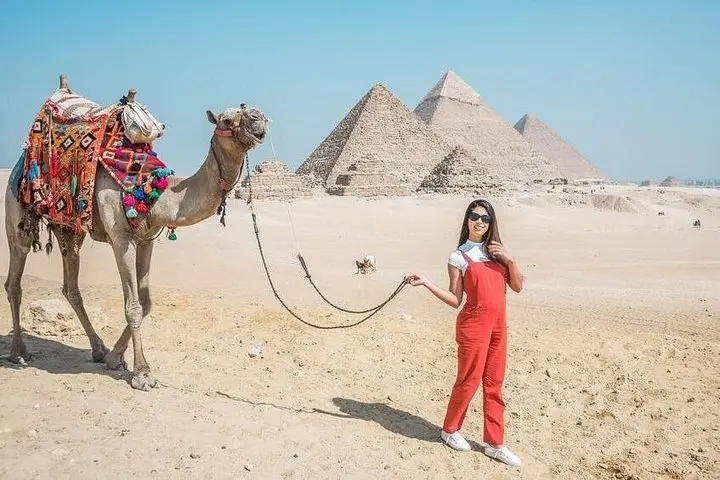
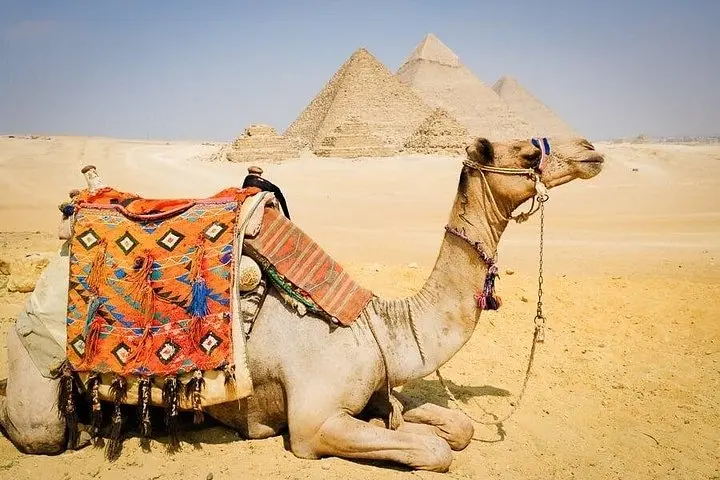
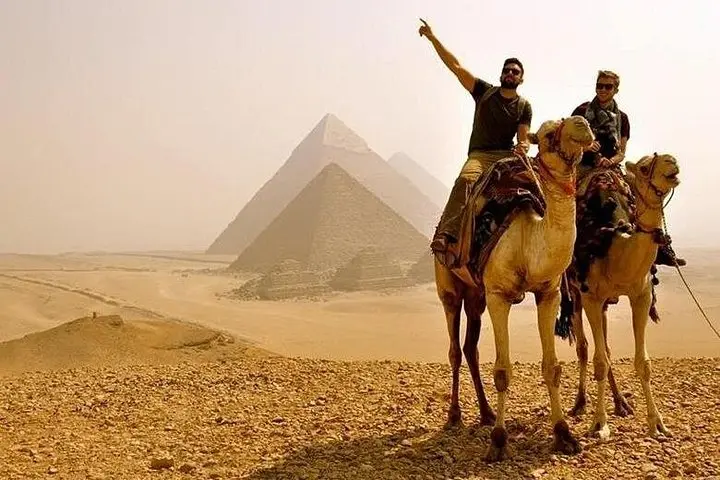
Sunlight flattens over the plateau as a camel rises beneath you, shoulders rolling in a slow, patient rhythm. From that elevated perch the three pyramids of Giza sit like carved geometry against the sky — massive and immediate — while the desert around them breathes a dry, warm wind that carries bits of history.
Sunlight flattens over the plateau as a camel rises beneath you, shoulders rolling in a slow, patient rhythm. From that elevated perch the three pyramids of Giza sit like carved geometry against the sky — massive and immediate — while the desert around them breathes a dry, warm wind that carries bits of history.
Riders trace routes that have been crossed for millennia. The Great Pyramid (built around 2560 BCE) crowns a limestone plateau that marks the edge of the Nile’s alluvial plain; the stones visible today were quarried and placed by techniques still studied by archaeologists. Local camel handlers and guides share practical stories and cultural context — from daily life in modern Giza to the centuries of caravan and pilgrimage traffic that shaped the surrounding villages.
This private, one-hour ride operates in the permitted desert zone directly adjacent to the archaeological complex, not within the protected core. Expect sandy, uneven terrain and the gentle motion of a dromedary: it’s accessible for most travelers but not recommended for those with spinal issues, pregnancy, or serious heart conditions. Plan for strong sun exposure—early morning or late afternoon slots cut the heat and soften the light for photos.
Practical pointers: arrive hydrated, wear closed-toe shoes and a brimmed hat, and follow the guide’s safety briefing when mounting and dismounting. Respect the site and local customs: ask before photographing people and avoid entering restricted zones. The experience is brief, tactile, and highly photogenic — a direct, human-scale way to encounter one of the world’s oldest landscapes.