THE ADVENTURE COLLECTIVE® · Independent discovery and booking for outdoor travel

A private, multi-day itinerary that pairs Giza’s pyramids with a five-star Nile cruise, Luxor’s tombs, Aswan’s temples, Alexandria’s coast and beach days in Hurghada. Expect long travel days, expert guides, and a mix of active exploration and relaxed seaside time.
A private, multi-day itinerary that pairs Giza’s pyramids with a five-star Nile cruise, Luxor’s tombs, Aswan’s temples, Alexandria’s coast and beach days in Hurghada. Expect long travel days, expert guides, and a mix of active exploration and relaxed seaside time.
You step out into the raw light of the Giza Plateau: sand underfoot, the Great Pyramid rising like a weathered wall of time, and the Sphinx eyeing the horizon. The first morning crackles with voices and camera shutters; later the train hums south, the Nile drawing a green thread through ochre desert until a five-star cruise awaits with its slow, river-born rhythm.
Verified experiences and guided adventures in the surrounding area.
Operated by Alacart Travel Egypt · Cairo, Cairo Governorate
You step out into the raw light of the Giza Plateau: sand underfoot, the Great Pyramid rising like a weathered wall of time, and the Sphinx eyeing the horizon. The first morning crackles with voices and camera shutters; later the train hums south, the Nile drawing a green thread through ochre desert until a five-star cruise awaits with its slow, river-born rhythm.
This route stitches together Egypt’s long arcs—Pharaonic tombs in Luxor and the Valley of the Kings, the temple complexes of Karnak and Hatshepsut, the engineering sweep of Aswan High Dam, and Alexandria’s Greco-Roman coastline and modern Bibliotheca. Geology here is simple and stark: sedimentary limestone and sandstone sculpted into cliffs and temple blocks, while the Nile’s annual pulse shaped millennia of settlement. The culture is layered: Pharaonic, Roman, Coptic and Islamic influences coexist in markets, mosques and museums.
Practically, expect long but well-supported travel days, early site starts to avoid heat and crowds, and short domestic flights or a sleeper train between Cairo and Aswan. Guided temple tours typically include porters and shaded transfers; the cruise provides on-board meals and a slow pace for photography and reflection. Hydrate frequently, use reef-safe sunscreen for Red Sea outings, and bring a lightweight daypack for temples and market walks.
This itinerary suits travelers who want concentrated history, comfortable accommodations, and a mix of active exploration and relaxed coastal downtime. Timed well, the trip balances spectacle with practical logistics—ancient stone, river authority, and the Red Sea daring you to dive in.
Yes—sleeper trains offer private or shared cabins with beds; bring a small lock and basic toiletries for overnight comfort.
Most visitors need a tourist visa; requirements vary by nationality—check current regulations and have passport valid for at least six months.
Yes—Hurghada has many calm beginner-friendly sites and PADI dive centers offer guided introductions and equipment rental.
Alacart Travel Egypt operates guided outdoor trips and adventures with an emphasis on safety, stewardship, and memorable experiences.
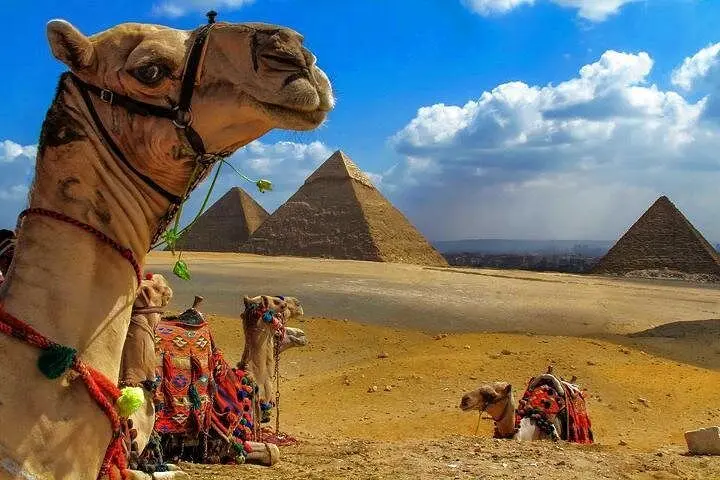
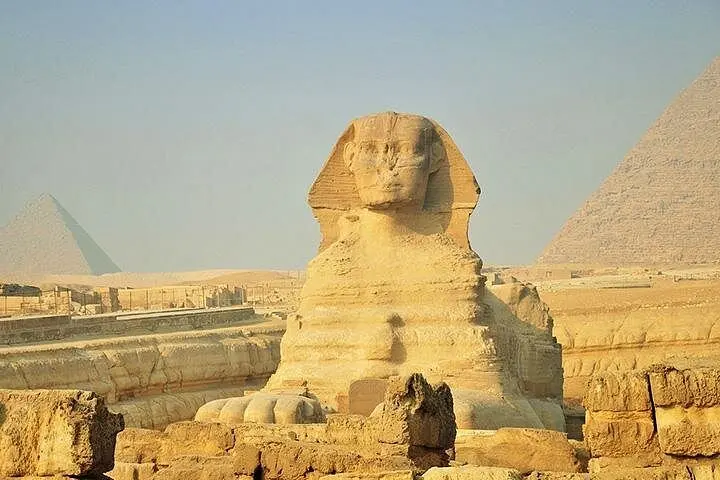
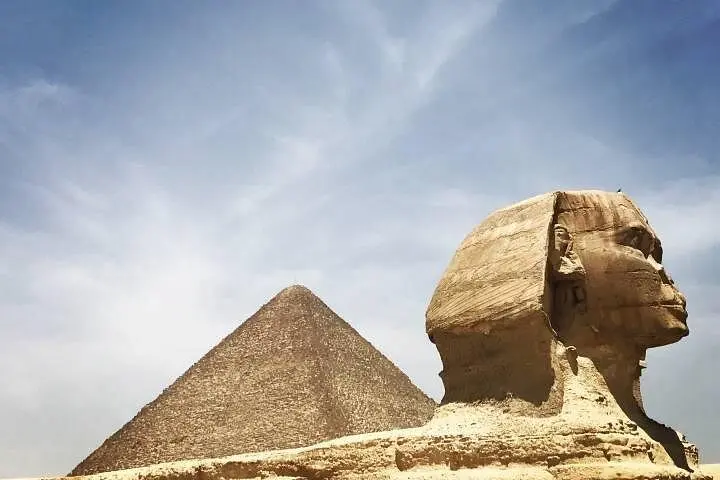
You step out into the raw light of the Giza Plateau: sand underfoot, the Great Pyramid rising like a weathered wall of time, and the Sphinx eyeing the horizon. The first morning crackles with voices and camera shutters; later the train hums south, the Nile drawing a green thread through ochre desert until a five-star cruise awaits with its slow, river-born rhythm.
You step out into the raw light of the Giza Plateau: sand underfoot, the Great Pyramid rising like a weathered wall of time, and the Sphinx eyeing the horizon. The first morning crackles with voices and camera shutters; later the train hums south, the Nile drawing a green thread through ochre desert until a five-star cruise awaits with its slow, river-born rhythm.
This route stitches together Egypt’s long arcs—Pharaonic tombs in Luxor and the Valley of the Kings, the temple complexes of Karnak and Hatshepsut, the engineering sweep of Aswan High Dam, and Alexandria’s Greco-Roman coastline and modern Bibliotheca. Geology here is simple and stark: sedimentary limestone and sandstone sculpted into cliffs and temple blocks, while the Nile’s annual pulse shaped millennia of settlement. The culture is layered: Pharaonic, Roman, Coptic and Islamic influences coexist in markets, mosques and museums.
Practically, expect long but well-supported travel days, early site starts to avoid heat and crowds, and short domestic flights or a sleeper train between Cairo and Aswan. Guided temple tours typically include porters and shaded transfers; the cruise provides on-board meals and a slow pace for photography and reflection. Hydrate frequently, use reef-safe sunscreen for Red Sea outings, and bring a lightweight daypack for temples and market walks.
This itinerary suits travelers who want concentrated history, comfortable accommodations, and a mix of active exploration and relaxed coastal downtime. Timed well, the trip balances spectacle with practical logistics—ancient stone, river authority, and the Red Sea daring you to dive in.