THE ADVENTURE COLLECTIVE® · Independent discovery and booking for outdoor travel

Fly into Lukla, follow classic Khumbu trails and acclimatize through Sherpa villages to reach Everest Base Camp. This private, all-inclusive 14‑day trek balances history, high‑altitude geology and pragmatic planning for serious hikers.
Fly into Lukla, follow classic Khumbu trails and acclimatize through Sherpa villages to reach Everest Base Camp. This private, all-inclusive 14‑day trek balances history, high‑altitude geology and pragmatic planning for serious hikers.
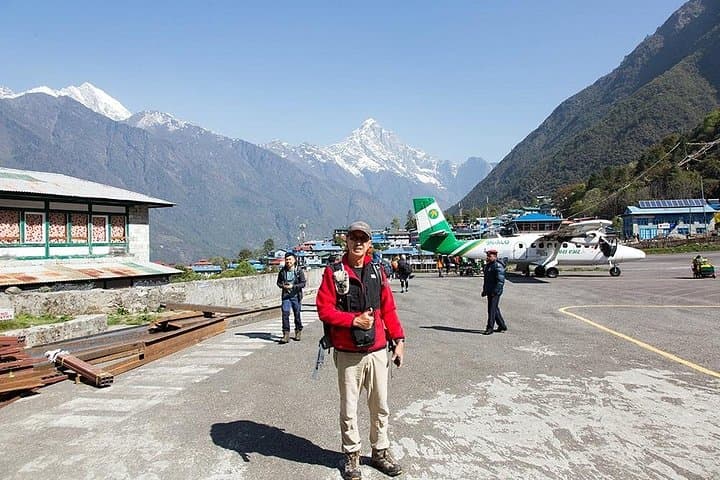
Morning light slices across prayer flags as a small group files toward the Tenzing–Hillary Airport, hearts tuned to the thin Himalayan air. Within an hour you’ll be airborne toward Lukla, then walking the same stone-stepped trails that Sherpa caravans have used for generations—through rivers that hurry and forests that quiet, toward a skyline of serrated giants.
Verified experiences and guided adventures in the surrounding area.
Operated by Cordial Trek Pvt. Ltd. · Kathmandu, Bagmati Province
Morning light slices across prayer flags as a small group files toward the Tenzing–Hillary Airport, hearts tuned to the thin Himalayan air. Within an hour you’ll be airborne toward Lukla, then walking the same stone-stepped trails that Sherpa caravans have used for generations—through rivers that hurry and forests that quiet, toward a skyline of serrated giants.
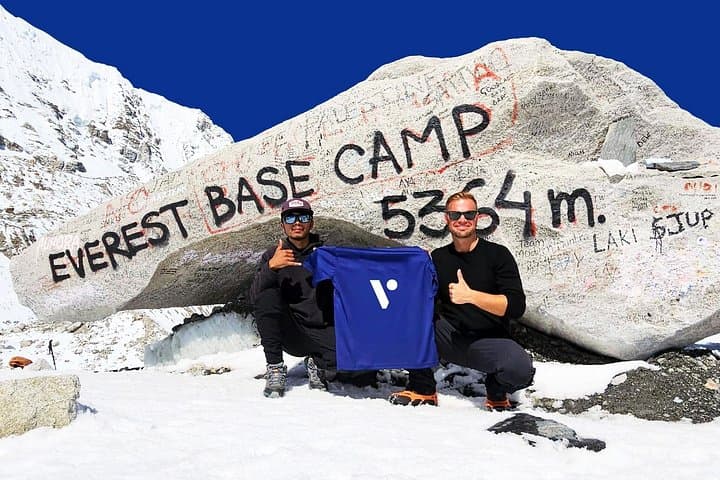
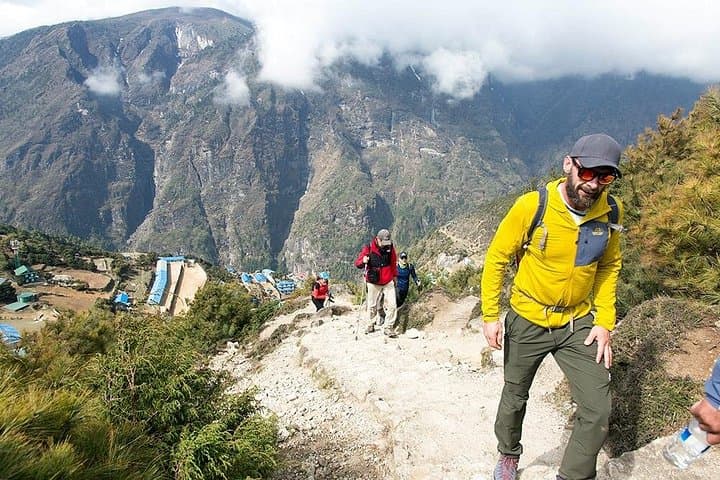
This route threads the Khumbu Valley inside Sagarmatha National Park, a UNESCO site shaped by recent uplift and glacial carve. You’ll cross high suspension bridges, pass sherpa villages such as Namche Bazaar, and trace moraines toward the khumbu glacier and Gorakshep before reaching Everest Base Camp at 5,364 m. The trek follows a deliberate acclimatization profile—two rest days in Namche and Dingboche—mirroring the mountaineering history that began with Hillary and Tenzing in 1953.
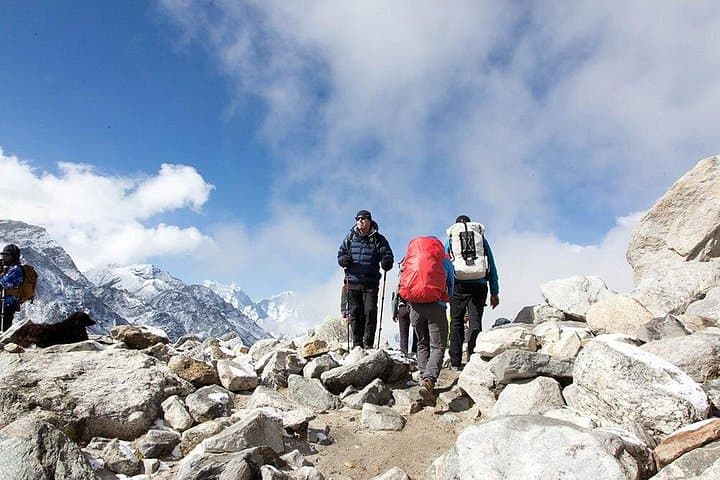
Culturally, expect prayer wheels, mani stones and the warm, practical hospitality of tea houses where yak butter tea fuels altitude days. Geologically, the trail reveals glacial deposit, high alpine scree and cold desert above 4,000 m; weather can shift from sun to wind-driven snow in hours.
Practical guidance: plan for 4–8 hours of hiking most days on uneven, rocky paths with 200–1,200 m net elevation changes; domestic flights KTM–LUA are included but weather-dependent. Carry layered clothing, a rated sleeping bag and a down jacket (returnable options often provided). Hydration, slow ascent and a guide-led itinerary reduce altitude risk. Cash for teahouses and flexible timing are essential—this is high-altitude travel shaped by mountain conditions rather than strict schedules.
Late September to November offers the most stable weather and clearest views; spring (March–May) is also excellent for warmer days and flowering rhododendrons.
Most days are 4–8 hours on mixed terrain; highest elevation gains are gradual but cumulative—expect some days with 600–1,200 m of elevation change.
Not strictly, but prior multi‑day trekking experience and familiarity with long days on trail improve comfort and safety at altitude.
Flights are weather‑dependent; itineraries typically include contingency plans but allow extra buffer days or ground transportation when needed.
Cordial Trek Pvt. Ltd. operates guided outdoor trips and adventures with an emphasis on safety, stewardship, and memorable experiences.
Morning light slices across prayer flags as a small group files toward the Tenzing–Hillary Airport, hearts tuned to the thin Himalayan air. Within an hour you’ll be airborne toward Lukla, then walking the same stone-stepped trails that Sherpa caravans have used for generations—through rivers that hurry and forests that quiet, toward a skyline of serrated giants.
Morning light slices across prayer flags as a small group files toward the Tenzing–Hillary Airport, hearts tuned to the thin Himalayan air. Within an hour you’ll be airborne toward Lukla, then walking the same stone-stepped trails that Sherpa caravans have used for generations—through rivers that hurry and forests that quiet, toward a skyline of serrated giants.
This route threads the Khumbu Valley inside Sagarmatha National Park, a UNESCO site shaped by recent uplift and glacial carve. You’ll cross high suspension bridges, pass sherpa villages such as Namche Bazaar, and trace moraines toward the khumbu glacier and Gorakshep before reaching Everest Base Camp at 5,364 m. The trek follows a deliberate acclimatization profile—two rest days in Namche and Dingboche—mirroring the mountaineering history that began with Hillary and Tenzing in 1953.
Culturally, expect prayer wheels, mani stones and the warm, practical hospitality of tea houses where yak butter tea fuels altitude days. Geologically, the trail reveals glacial deposit, high alpine scree and cold desert above 4,000 m; weather can shift from sun to wind-driven snow in hours.
Practical guidance: plan for 4–8 hours of hiking most days on uneven, rocky paths with 200–1,200 m net elevation changes; domestic flights KTM–LUA are included but weather-dependent. Carry layered clothing, a rated sleeping bag and a down jacket (returnable options often provided). Hydration, slow ascent and a guide-led itinerary reduce altitude risk. Cash for teahouses and flexible timing are essential—this is high-altitude travel shaped by mountain conditions rather than strict schedules.