THE ADVENTURE COLLECTIVE® · Independent discovery and booking for outdoor travel

A private, 14-day circuit that moves from Istanbul’s imperial core through Gallipoli and Troy to the travertines of Pamukkale and the lunar valleys of Cappadocia. This trip blends driving days with focused walks and archaeological encounters — ideal for travelers who want history, geology, and cultural depth on one trip.
A private, 14-day circuit that moves from Istanbul’s imperial core through Gallipoli and Troy to the travertines of Pamukkale and the lunar valleys of Cappadocia. This trip blends driving days with focused walks and archaeological encounters — ideal for travelers who want history, geology, and cultural depth on one trip.
You step out of Istanbul Airport into a light that feels older than the city itself — sharp and Mediterranean — and a driver holding your name leads you into a comfortable A/C sedan. Over the next two weeks this private circuit becomes a paced primer on Turkey: gritty urban history in Istanbul, the hush of battle-scarred Gallipoli, myth at Troy, soaring marble at Pergamon, the marble terraces of Pamukkale, and the lunar relief of Cappadocia’s fairy chimneys.
Verified experiences and guided adventures in the surrounding area.
Operated by Travel China Guide · Istanbul, Istanbul
You step out of Istanbul Airport into a light that feels older than the city itself — sharp and Mediterranean — and a driver holding your name leads you into a comfortable A/C sedan. Over the next two weeks this private circuit becomes a paced primer on Turkey: gritty urban history in Istanbul, the hush of battle-scarred Gallipoli, myth at Troy, soaring marble at Pergamon, the marble terraces of Pamukkale, and the lunar relief of Cappadocia’s fairy chimneys.
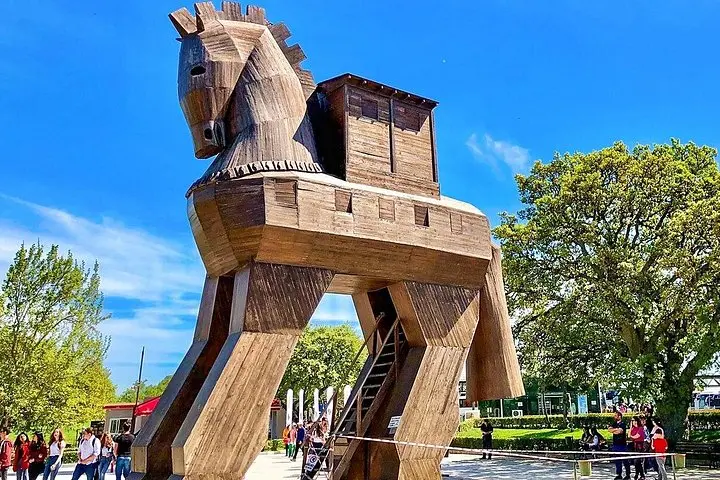
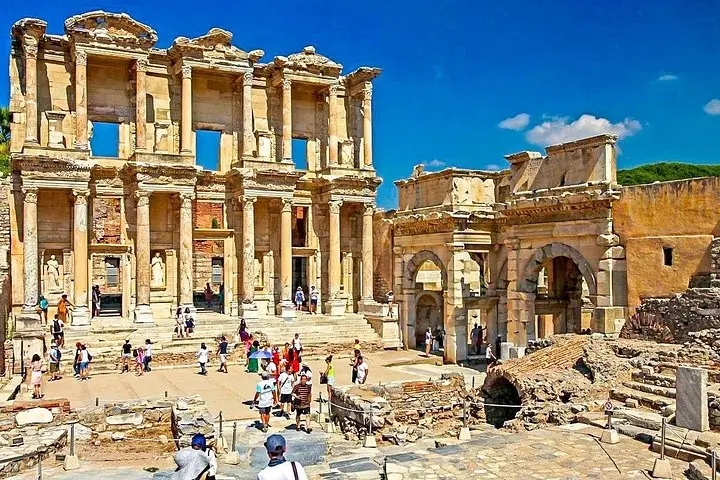
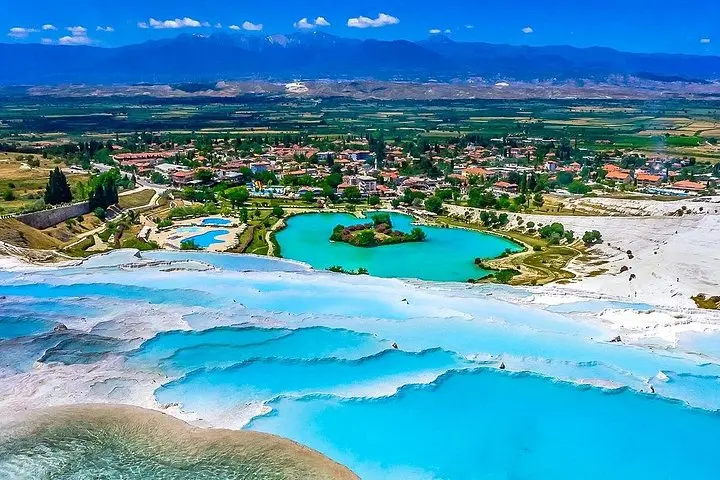
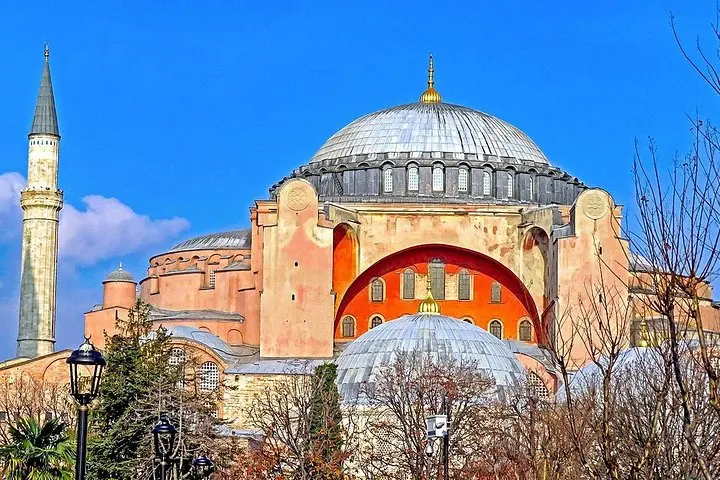
The route reads like a condensed history of Anatolia. In Istanbul the Hagia Sophia and Topkapi stretch a timeline from Byzantine emperors to Ottoman sultans. Gallipoli’s ridges hold the memory of 1915 in earthworks and white memorials; Troy layers Bronze Age fortifications beneath later foundations. Ephesus preserves Roman urbanism — Curetes Street and the Celsus Library — while nearby Pamukkale’s travertine terraces are a geological ledger of mineral-rich springs depositing calcium carbonate for millennia. Cappadocia’s landscape, carved from soft tuff after volcanic eruptions and erosion, hosted early Christian cave churches and underground cities like Kaymakli — human habitats hewn from stone.
Travel days are long but measured: expect drives of 3–4.5 hours between major stops (Istanbul to Gallipoli ≈4.5 hours; Pergamon to Kusadasi ≈2.5–3 hours; Pamukkale to Antalya ≈3.5 hours). Most days include guided walking tours of 60–180 minutes punctuated by comfortable hotel transfers. The only sustained hike noted is a 2-hour route in Red Valley (Cappadocia) with uneven volcanic rock and loose scree; otherwise the tour is accessible to travelers who can manage stairs and short walks.
Practical edge: confirm visas and passport validity before arrival and bring both cash and card for small shops and tips. Footwear matters — sturdy walking shoes for ruins and labored stone steps; a swimsuit for the Cleopatra pool in Hierapolis; layered clothing for Cappadocia where mornings and evenings can be cool at ~1,000 m elevation.
Timing matters: arrive early at popular sites (Hagia Sophia, Ephesus) to avoid crowds; schedule Cappadocia ballooning at sunrise if you want the classic view (book separately). Respect protected areas: on Pamukkale walk only on designated paths and avoid soaps or lotions before entering thermal pools. Tipping and local guide interactions are customary and the private format gives flexibility — you can linger at a favorite ruin or swap a stop for a pottery demonstration in Avanos.
This is a travel rhythm that mixes driving and close-up exploration. Expect comfortable hotels, daily breakfasts, private transfers, an English-speaking guide, and entrance fees included to many major sites — a practical, historically rich way to see Turkey’s layered landscapes in two weeks.
Many nationalities require an e-visa obtained online before arrival; check Turkey’s government e-visa site and secure it before travel.
Hot air ballooning in Cappadocia is not included and must be booked separately; internal flights are not part of this private car-driven itinerary.
The tour is suitable for most ages; it involves long coach transfers and some stairs — discuss mobility needs with the operator when booking.
Most site visits involve 30–120 minute walks on uneven surfaces or cobbles; a 2-hour moderate hike in Red Valley is included.
Breakfast is included each day; other meals may be on your own except where specified in the itinerary.
This tour is listed as all sales final with no refunds available; confirm dates carefully before booking.
Travel China Guide operates guided outdoor trips and adventures with an emphasis on safety, stewardship, and memorable experiences.
You step out of Istanbul Airport into a light that feels older than the city itself — sharp and Mediterranean — and a driver holding your name leads you into a comfortable A/C sedan. Over the next two weeks this private circuit becomes a paced primer on Turkey: gritty urban history in Istanbul, the hush of battle-scarred Gallipoli, myth at Troy, soaring marble at Pergamon, the marble terraces of Pamukkale, and the lunar relief of Cappadocia’s fairy chimneys.
You step out of Istanbul Airport into a light that feels older than the city itself — sharp and Mediterranean — and a driver holding your name leads you into a comfortable A/C sedan. Over the next two weeks this private circuit becomes a paced primer on Turkey: gritty urban history in Istanbul, the hush of battle-scarred Gallipoli, myth at Troy, soaring marble at Pergamon, the marble terraces of Pamukkale, and the lunar relief of Cappadocia’s fairy chimneys.
The route reads like a condensed history of Anatolia. In Istanbul the Hagia Sophia and Topkapi stretch a timeline from Byzantine emperors to Ottoman sultans. Gallipoli’s ridges hold the memory of 1915 in earthworks and white memorials; Troy layers Bronze Age fortifications beneath later foundations. Ephesus preserves Roman urbanism — Curetes Street and the Celsus Library — while nearby Pamukkale’s travertine terraces are a geological ledger of mineral-rich springs depositing calcium carbonate for millennia. Cappadocia’s landscape, carved from soft tuff after volcanic eruptions and erosion, hosted early Christian cave churches and underground cities like Kaymakli — human habitats hewn from stone.
Travel days are long but measured: expect drives of 3–4.5 hours between major stops (Istanbul to Gallipoli ≈4.5 hours; Pergamon to Kusadasi ≈2.5–3 hours; Pamukkale to Antalya ≈3.5 hours). Most days include guided walking tours of 60–180 minutes punctuated by comfortable hotel transfers. The only sustained hike noted is a 2-hour route in Red Valley (Cappadocia) with uneven volcanic rock and loose scree; otherwise the tour is accessible to travelers who can manage stairs and short walks.
Practical edge: confirm visas and passport validity before arrival and bring both cash and card for small shops and tips. Footwear matters — sturdy walking shoes for ruins and labored stone steps; a swimsuit for the Cleopatra pool in Hierapolis; layered clothing for Cappadocia where mornings and evenings can be cool at ~1,000 m elevation.
Timing matters: arrive early at popular sites (Hagia Sophia, Ephesus) to avoid crowds; schedule Cappadocia ballooning at sunrise if you want the classic view (book separately). Respect protected areas: on Pamukkale walk only on designated paths and avoid soaps or lotions before entering thermal pools. Tipping and local guide interactions are customary and the private format gives flexibility — you can linger at a favorite ruin or swap a stop for a pottery demonstration in Avanos.
This is a travel rhythm that mixes driving and close-up exploration. Expect comfortable hotels, daily breakfasts, private transfers, an English-speaking guide, and entrance fees included to many major sites — a practical, historically rich way to see Turkey’s layered landscapes in two weeks.