THE ADVENTURE COLLECTIVE® · Independent discovery and booking for outdoor travel

Two days alternately ruled by stone and water: explore the monumental Angkor temple complex on day one and witness life on Cambodia’s Tonle Sap floating villages on day two. This private tour blends guided archaeology with local culture and a boat ride through seasonal waterways.
Two days alternately ruled by stone and water: explore the monumental Angkor temple complex on day one and witness life on Cambodia’s Tonle Sap floating villages on day two. This private tour blends guided archaeology with local culture and a boat ride through seasonal waterways.
You step from the hotel van into a humid dawn where stone faces watch the light lengthen across mossed galleries. The air around Angkor Thom feels patient; the Bayon’s carved smiles seem to keep their own counsel as your guide points out bas-reliefs that map ancient court life.
Verified experiences and guided adventures in the surrounding area.
Operated by Private Tour Guide-Cambodia · Siem Reap, Siem Reap Province
You step from the hotel van into a humid dawn where stone faces watch the light lengthen across mossed galleries. The air around Angkor Thom feels patient; the Bayon’s carved smiles seem to keep their own counsel as your guide points out bas-reliefs that map ancient court life.
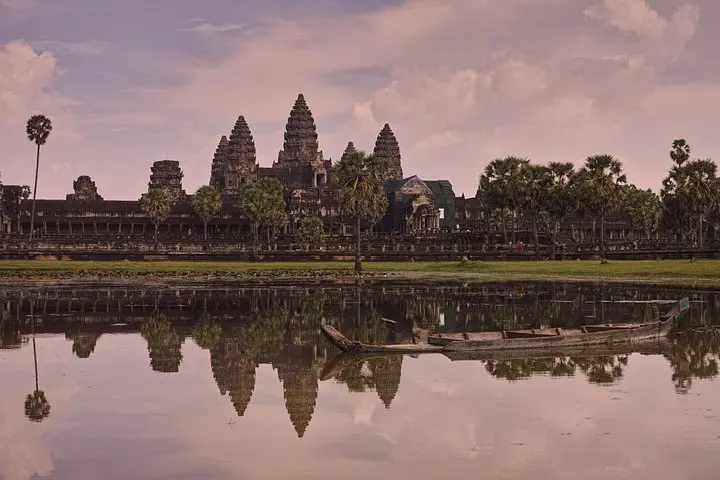
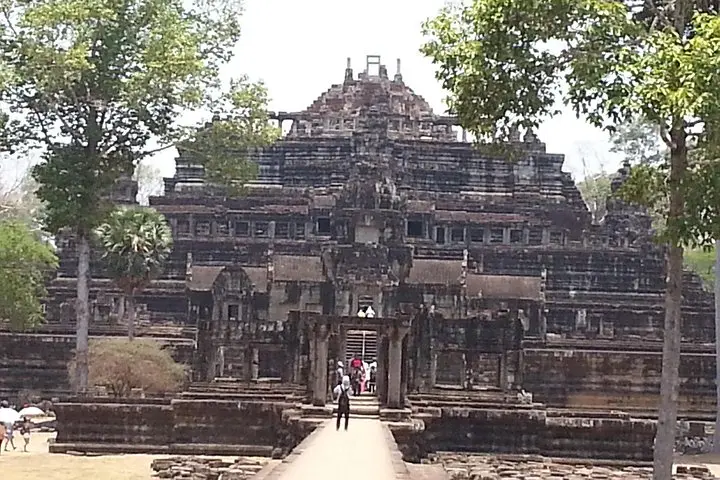
On day one the route threads through empire-era engineering: Baphuon’s reconstructed terraces, Phimeanakas rising above canopy, and Ta Prohm where giant tree roots tug at walls like hands unwilling to let go. Angkor Wat dominates the skyline—its concentric galleries and narrative friezes unfold stories in stone. The next day Tonle Sap takes over the stage; the lake swells and recedes with the seasons, pushing wooden houses and stilted villages into different rhythms. Boat skippers cut across channels where fishermen and children coexist, and the water seems to steer the tempo of daily life.
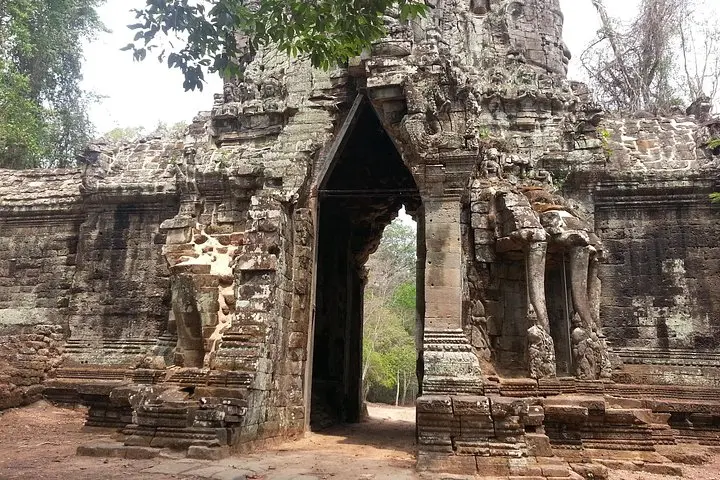
Angkor’s stone is sandstone and laterite carved over centuries; the lake’s ecology sustains rice and riverine fisheries that supported Khmer civilization. Cultural threads here are visible: Khmer, Cham and Vietnamese communities, and Les Artisans d’Angkor’s living crafts.
Practically: start early to avoid midday heat, bring a printed or mobile Angkor Pass (not always included), and wear clothing that covers shoulders and knees for temple entry. Expect walking on uneven steps and muddy boat gangways. Carry water, sunscreen, a lightweight rain layer in wet months, and small local currency for market bargaining or boat tips. Respect local customs, follow your guide’s route, and let the stones and water tell you the rest.
Angkor Park entrance passes are typically not included—purchase at the official ticket office or confirm with your operator before arrival.
Boat excursions to Chong Kneas and nearby floating communities often last 45–90 minutes depending on water levels and how many villages you visit.
Some parts of the Angkor complex are accessible by vehicle and have more level paths, but many temple interiors and steep steps are not fully wheelchair-friendly—check specific site accessibility in advance.
Tipping is customary in Cambodia; modest tips for guides and boat drivers are appreciated and common practice among travelers.
Private Tour Guide-Cambodia operates guided outdoor trips and adventures with an emphasis on safety, stewardship, and memorable experiences.
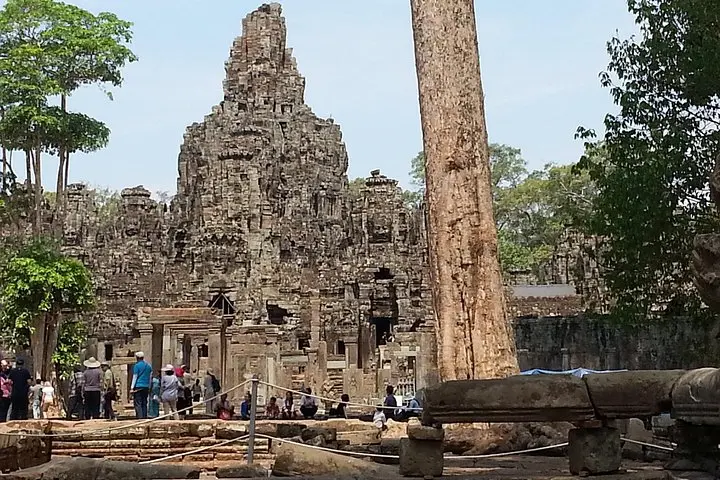
You step from the hotel van into a humid dawn where stone faces watch the light lengthen across mossed galleries. The air around Angkor Thom feels patient; the Bayon’s carved smiles seem to keep their own counsel as your guide points out bas-reliefs that map ancient court life.
You step from the hotel van into a humid dawn where stone faces watch the light lengthen across mossed galleries. The air around Angkor Thom feels patient; the Bayon’s carved smiles seem to keep their own counsel as your guide points out bas-reliefs that map ancient court life.
On day one the route threads through empire-era engineering: Baphuon’s reconstructed terraces, Phimeanakas rising above canopy, and Ta Prohm where giant tree roots tug at walls like hands unwilling to let go. Angkor Wat dominates the skyline—its concentric galleries and narrative friezes unfold stories in stone. The next day Tonle Sap takes over the stage; the lake swells and recedes with the seasons, pushing wooden houses and stilted villages into different rhythms. Boat skippers cut across channels where fishermen and children coexist, and the water seems to steer the tempo of daily life.
Angkor’s stone is sandstone and laterite carved over centuries; the lake’s ecology sustains rice and riverine fisheries that supported Khmer civilization. Cultural threads here are visible: Khmer, Cham and Vietnamese communities, and Les Artisans d’Angkor’s living crafts.
Practically: start early to avoid midday heat, bring a printed or mobile Angkor Pass (not always included), and wear clothing that covers shoulders and knees for temple entry. Expect walking on uneven steps and muddy boat gangways. Carry water, sunscreen, a lightweight rain layer in wet months, and small local currency for market bargaining or boat tips. Respect local customs, follow your guide’s route, and let the stones and water tell you the rest.