THE ADVENTURE COLLECTIVE® · Independent discovery and booking for outdoor travel

Two days of temple exploration, sunrise at Angkor Wat, jungle-claimed ruins at Ta Prohm, ceremonial pools at Phnom Kulen and the remote, moss-covered corridors of Beng Mealea. This private tour balances early starts with quieter paths for a hands-on look at Khmer history.
Two days of temple exploration, sunrise at Angkor Wat, jungle-claimed ruins at Ta Prohm, ceremonial pools at Phnom Kulen and the remote, moss-covered corridors of Beng Mealea. This private tour balances early starts with quieter paths for a hands-on look at Khmer history.
Before the sun clears the moat, your guide leads you up the stone steps to the western causeway of Angkor Wat. Morning light strips the temple into planes of sandstone and shadow; the air is humid and full of temple-warding insects, and the birds near the moat call like a restless audience. Over two days the itinerary moves from the carved faces of Bayon and the tree-locked stones of Ta Prohm to the rushing pools and 1,000 Linga of Phnom Kulen and the moss-laden corridors of remote Beng Mealea.
Verified experiences and guided adventures in the surrounding area.
Operated by Siem Reap Experience · Siem Reap, Siem Reap Province
Before the sun clears the moat, your guide leads you up the stone steps to the western causeway of Angkor Wat. Morning light strips the temple into planes of sandstone and shadow; the air is humid and full of temple-warding insects, and the birds near the moat call like a restless audience. Over two days the itinerary moves from the carved faces of Bayon and the tree-locked stones of Ta Prohm to the rushing pools and 1,000 Linga of Phnom Kulen and the moss-laden corridors of remote Beng Mealea.
These monuments are the work of powerful Khmer kings—Suryavarman II’s Angkor Wat (early 12th century) and Jayavarman VII’s later additions—built from local sandstone and laterite. Geologically, the plain is low and flat; Phnom Kulen is the notable upland where waterfalls carve shallow pools and expose ancient carvings. Culturally, temple life once combined Hindu and Buddhist symbolism; today, local villages maintain rice fields and fruit orchards that fed the city of Angkor.
Practical guidance: buy an Angkor Pass in Siem Reap before the tour and carry it each day. Expect uneven steps, narrow corridors and muddy trails at Phnom Kulen after rain—good ankle support and steady footing matter. Plan for early starts to avoid heat and crowds; sunscreen, reusable water, and a dry bag for electronics at waterfalls are essential. Your private guide will pace site visits, explain bas-reliefs, and help you navigate crowded viewpoints at sunrise. Respect dress codes at temples (covered shoulders and knees) and follow directional signage to protect fragile carvings and the surrounding forest.
Yes—buy your Angkor Pass in Siem Reap before the tour; it’s required for entry to the Angkor Archaeological Park.
This tour lists admissions as not included, so plan to purchase passes separately when you arrive in Siem Reap.
The supplier marks the trip as suitable for all fitness levels, but expect stairs and uneven ground; consider mobility limitations for Beng Mealea and Phnom Kulen trails.
Photography is allowed at most sites, but avoid flash on frescoes and do not climb on carvings or use drones without permits.
Siem Reap Experience operates guided outdoor trips and adventures with an emphasis on safety, stewardship, and memorable experiences.


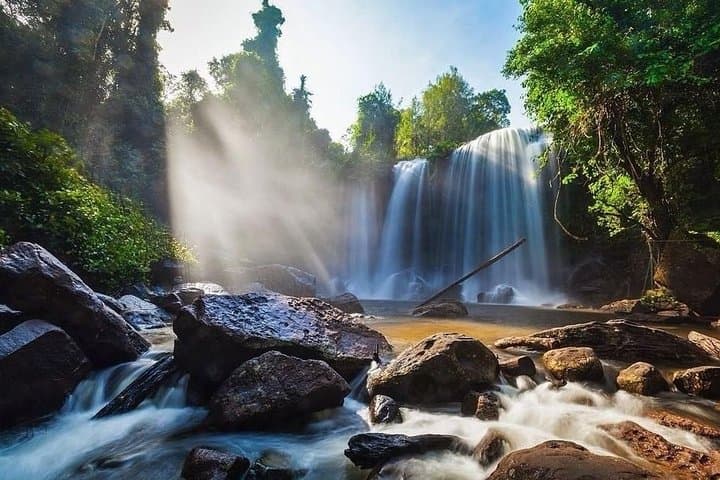
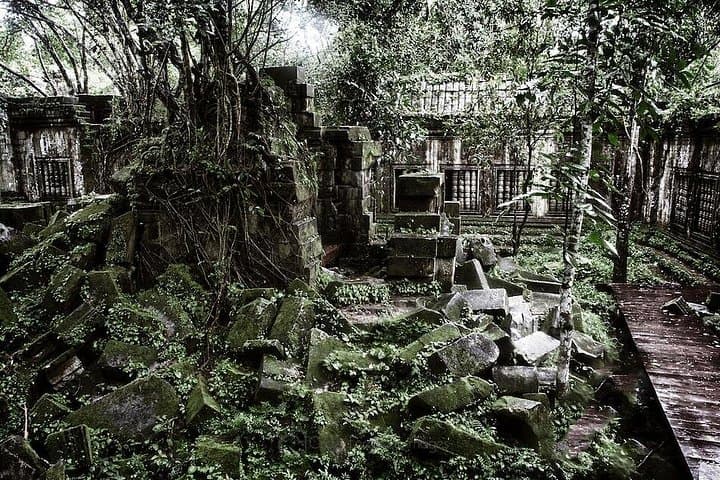
Before the sun clears the moat, your guide leads you up the stone steps to the western causeway of Angkor Wat. Morning light strips the temple into planes of sandstone and shadow; the air is humid and full of temple-warding insects, and the birds near the moat call like a restless audience. Over two days the itinerary moves from the carved faces of Bayon and the tree-locked stones of Ta Prohm to the rushing pools and 1,000 Linga of Phnom Kulen and the moss-laden corridors of remote Beng Mealea.
Before the sun clears the moat, your guide leads you up the stone steps to the western causeway of Angkor Wat. Morning light strips the temple into planes of sandstone and shadow; the air is humid and full of temple-warding insects, and the birds near the moat call like a restless audience. Over two days the itinerary moves from the carved faces of Bayon and the tree-locked stones of Ta Prohm to the rushing pools and 1,000 Linga of Phnom Kulen and the moss-laden corridors of remote Beng Mealea.
These monuments are the work of powerful Khmer kings—Suryavarman II’s Angkor Wat (early 12th century) and Jayavarman VII’s later additions—built from local sandstone and laterite. Geologically, the plain is low and flat; Phnom Kulen is the notable upland where waterfalls carve shallow pools and expose ancient carvings. Culturally, temple life once combined Hindu and Buddhist symbolism; today, local villages maintain rice fields and fruit orchards that fed the city of Angkor.
Practical guidance: buy an Angkor Pass in Siem Reap before the tour and carry it each day. Expect uneven steps, narrow corridors and muddy trails at Phnom Kulen after rain—good ankle support and steady footing matter. Plan for early starts to avoid heat and crowds; sunscreen, reusable water, and a dry bag for electronics at waterfalls are essential. Your private guide will pace site visits, explain bas-reliefs, and help you navigate crowded viewpoints at sunrise. Respect dress codes at temples (covered shoulders and knees) and follow directional signage to protect fragile carvings and the surrounding forest.