THE ADVENTURE COLLECTIVE® · Independent discovery and booking for outdoor travel

See Delhi’s imperial landmarks and watch the Taj Mahal glow at sunrise on this private two‑day tour by car. Personalized guide, private transport, tuk‑tuk through Old Delhi, and timed access to key monuments.
See Delhi’s imperial landmarks and watch the Taj Mahal glow at sunrise on this private two‑day tour by car. Personalized guide, private transport, tuk‑tuk through Old Delhi, and timed access to key monuments.
You arrive in Delhi before dawn, the city already awake with honking rickshaws and the scent of chai. The first day unfolds as a measured sweep through imperial sites — Qutub Minar’s stone ribs, Humayun’s Tomb’s formal gardens, and the rattle of Old Delhi’s bazaars where spices and silk compete for attention. A tuk‑tuk ride through Chandni Chowk pulls you into the market’s kinetic rhythm.
Verified experiences and guided adventures in the surrounding area.
Operated by Keeper Landwey · New Delhi, Delhi
You arrive in Delhi before dawn, the city already awake with honking rickshaws and the scent of chai. The first day unfolds as a measured sweep through imperial sites — Qutub Minar’s stone ribs, Humayun’s Tomb’s formal gardens, and the rattle of Old Delhi’s bazaars where spices and silk compete for attention. A tuk‑tuk ride through Chandni Chowk pulls you into the market’s kinetic rhythm.
On day two you take the road to Agra (about 3–4 hours by car), timed to reach the Taj Mahal at sunrise. The mausoleum’s marble changes color with the light; your guide will set the architecture in Mughal history and explain the pietra dura inlay that makes the facade read like a carved text. Nearby Agra Fort and Itmad‑ud‑Daulah (the “Baby Taj”) show transitions in design and patronage across the 16th–17th centuries.
Geology and river dynamics matter here: the Yamuna’s seasonal floodplain once fed the gardens that framed these monuments and today impacts conservation efforts. Culturally, the route threads Muslim and Hindu influences evident in cuisine, crafts, and courtly architecture.
Practical guidance: carry ID for monument entry, arrive at the Taj before official opening to avoid crowds and mid‑day haze, and expect a battery‑van transfer from the parking area to the Taj gate. Wear comfortable shoes for cobbled courtyards and layered clothing for cool mornings and hot afternoons. Stay hydrated, keep valuables secure in crowded markets, and allow extra transit time for Delhi traffic. This two‑day private itinerary balances paced sightseeing with the flexibility a chauffeured car and local guide provide.
No—Taj Mahal is closed on Fridays for prayer; plan your itinerary around this closure.
Typical drive time is about 3–4 hours each way depending on traffic; drivers plan early starts to arrive for sunrise.
Yes—private guides and hotels can arrange vegetarian and dietary‑specific meals; note requirements at booking.
The tour notes wheelchair‑accessible transport, but access within some monuments involves steps and uneven surfaces—confirm assistance needs in advance.
Keeper Landwey operates guided outdoor trips and adventures with an emphasis on safety, stewardship, and memorable experiences.
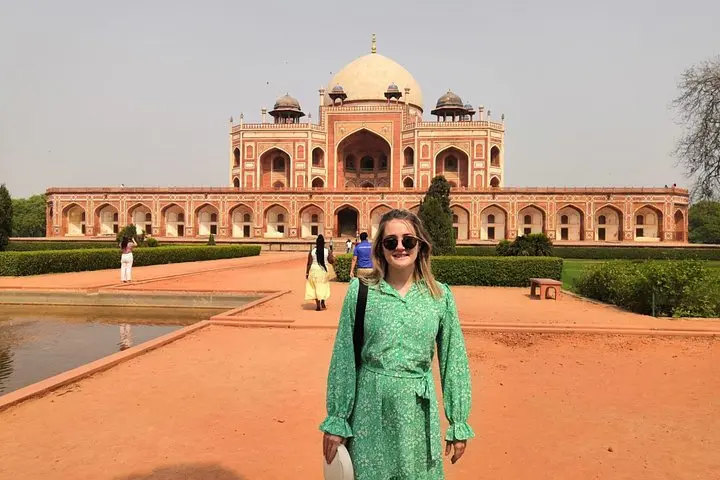

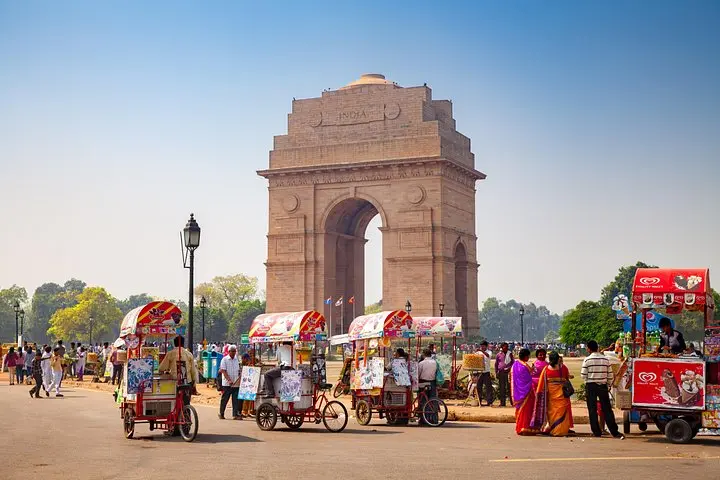

You arrive in Delhi before dawn, the city already awake with honking rickshaws and the scent of chai. The first day unfolds as a measured sweep through imperial sites — Qutub Minar’s stone ribs, Humayun’s Tomb’s formal gardens, and the rattle of Old Delhi’s bazaars where spices and silk compete for attention. A tuk‑tuk ride through Chandni Chowk pulls you into the market’s kinetic rhythm.
You arrive in Delhi before dawn, the city already awake with honking rickshaws and the scent of chai. The first day unfolds as a measured sweep through imperial sites — Qutub Minar’s stone ribs, Humayun’s Tomb’s formal gardens, and the rattle of Old Delhi’s bazaars where spices and silk compete for attention. A tuk‑tuk ride through Chandni Chowk pulls you into the market’s kinetic rhythm.
On day two you take the road to Agra (about 3–4 hours by car), timed to reach the Taj Mahal at sunrise. The mausoleum’s marble changes color with the light; your guide will set the architecture in Mughal history and explain the pietra dura inlay that makes the facade read like a carved text. Nearby Agra Fort and Itmad‑ud‑Daulah (the “Baby Taj”) show transitions in design and patronage across the 16th–17th centuries.
Geology and river dynamics matter here: the Yamuna’s seasonal floodplain once fed the gardens that framed these monuments and today impacts conservation efforts. Culturally, the route threads Muslim and Hindu influences evident in cuisine, crafts, and courtly architecture.
Practical guidance: carry ID for monument entry, arrive at the Taj before official opening to avoid crowds and mid‑day haze, and expect a battery‑van transfer from the parking area to the Taj gate. Wear comfortable shoes for cobbled courtyards and layered clothing for cool mornings and hot afternoons. Stay hydrated, keep valuables secure in crowded markets, and allow extra transit time for Delhi traffic. This two‑day private itinerary balances paced sightseeing with the flexibility a chauffeured car and local guide provide.