THE ADVENTURE COLLECTIVE® · Independent discovery and booking for outdoor travel

See the Taj Mahal at sunrise, tour Agra Fort and Fatehpur Sikri, then explore Jaipur’s forts and palaces on a private 2-day itinerary from Delhi. This compact, customizable tour balances must-see monuments with practical logistics for travelers on a tight schedule.
See the Taj Mahal at sunrise, tour Agra Fort and Fatehpur Sikri, then explore Jaipur’s forts and palaces on a private 2-day itinerary from Delhi. This compact, customizable tour balances must-see monuments with practical logistics for travelers on a tight schedule.
Sunrise light spills across the Yamuna as the Taj Mahal’s silhouette sharpens against a pale sky, and the tour begins with that slow, deliberate reveal every visitor hopes for. A private driver collects you from Delhi and the highway opens—the landscape changing from urban sprawl to folded farmland—until white marble appears like an exclamation point on the river’s edge.
Verified experiences and guided adventures in the surrounding area.
Operated by Golden Triangle Tours Of India · Agra, Uttar Pradesh
Sunrise light spills across the Yamuna as the Taj Mahal’s silhouette sharpens against a pale sky, and the tour begins with that slow, deliberate reveal every visitor hopes for. A private driver collects you from Delhi and the highway opens—the landscape changing from urban sprawl to folded farmland—until white marble appears like an exclamation point on the river’s edge.
This short Golden Triangle run traces Mughal ambition and Rajput power. In Agra the Taj Mahal (1632) and the red sandstone Agra Fort chronicle imperial funerary craft and fortress life; Fatehpur Sikri, nearby, preserves a late-16th-century court frozen in red sandstone. In Jaipur the high, honeyed walls of Amber Fort and the geometric instruments of Jantar Mantar reflect Rajput engineering and princely spectacle, while Jal Mahal hints at historical water-management strategies for Man Sagar Lake.
Expect paved courtyards, steep stepped wells, and many staircases; weather ranges from hot, dry summers to cool winter mornings. Guides focus on history and architecture; photography is allowed but drones are not.
Practical guidance: start early to beat heat and crowds, carry ID and cash for small purchases, and wear shoes suitable for quick stair climbs and temple thresholds. Allow buffer time for highway traffic on the Yamuna Expressway and factor in short walk-and-stop windows at each monument.
For travelers who want brevity with depth, this private two-day loop delivers concentrated history, clear logistics, and enough flexibility to swap stops or linger where the light and the stories invite you to stay.
The Taj Mahal is closed on Fridays for prayers; plan your visit on another day or check guide alternatives for nearby viewpoints.
Yes—this private tour can be tailored to swap sites, adjust pace, or add hotel nights; request changes at booking or through your guide.
Provide full flight or hotel pickup details at booking; the tour supplies a private AC vehicle and driver for transfers.
Admission is not included by default—your guide will advise and can arrange tickets; confirm inclusions when booking.
Golden Triangle Tours Of India operates guided outdoor trips and adventures with an emphasis on safety, stewardship, and memorable experiences.
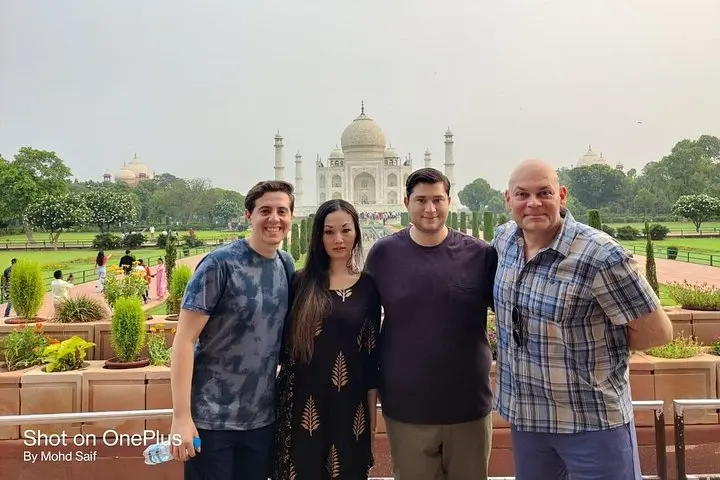
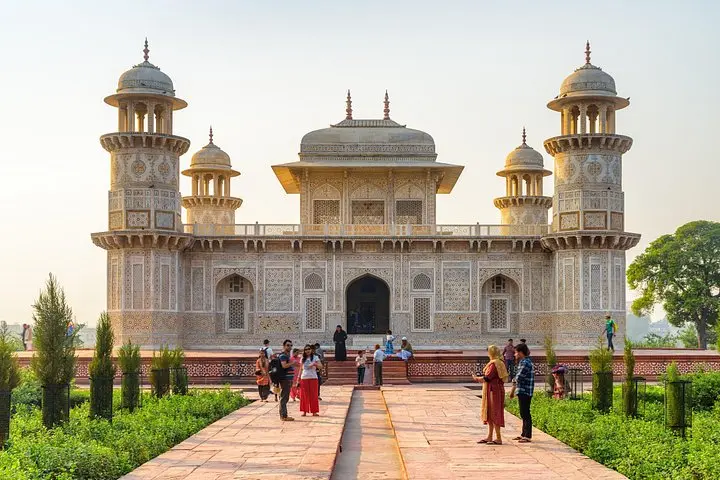
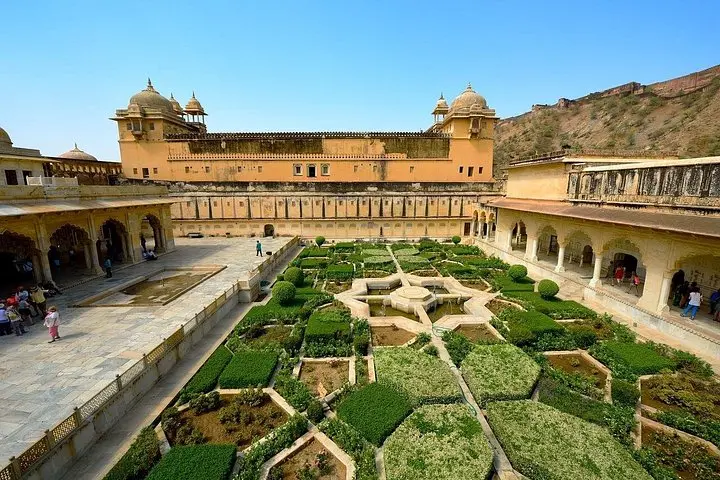
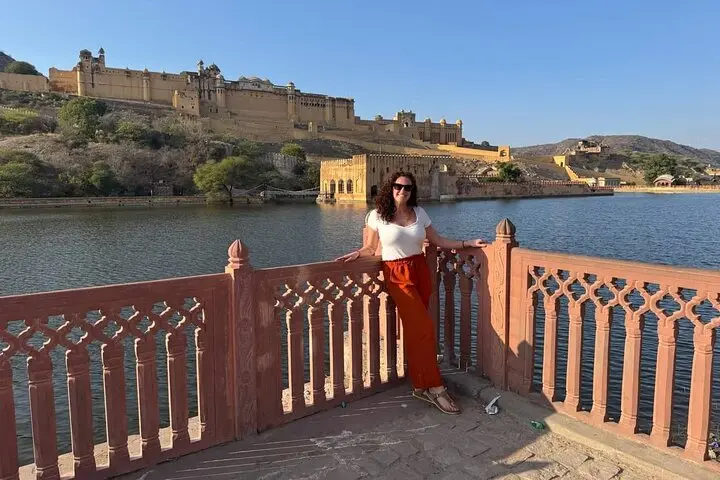
Sunrise light spills across the Yamuna as the Taj Mahal’s silhouette sharpens against a pale sky, and the tour begins with that slow, deliberate reveal every visitor hopes for. A private driver collects you from Delhi and the highway opens—the landscape changing from urban sprawl to folded farmland—until white marble appears like an exclamation point on the river’s edge.
Sunrise light spills across the Yamuna as the Taj Mahal’s silhouette sharpens against a pale sky, and the tour begins with that slow, deliberate reveal every visitor hopes for. A private driver collects you from Delhi and the highway opens—the landscape changing from urban sprawl to folded farmland—until white marble appears like an exclamation point on the river’s edge.
This short Golden Triangle run traces Mughal ambition and Rajput power. In Agra the Taj Mahal (1632) and the red sandstone Agra Fort chronicle imperial funerary craft and fortress life; Fatehpur Sikri, nearby, preserves a late-16th-century court frozen in red sandstone. In Jaipur the high, honeyed walls of Amber Fort and the geometric instruments of Jantar Mantar reflect Rajput engineering and princely spectacle, while Jal Mahal hints at historical water-management strategies for Man Sagar Lake.
Expect paved courtyards, steep stepped wells, and many staircases; weather ranges from hot, dry summers to cool winter mornings. Guides focus on history and architecture; photography is allowed but drones are not.
Practical guidance: start early to beat heat and crowds, carry ID and cash for small purchases, and wear shoes suitable for quick stair climbs and temple thresholds. Allow buffer time for highway traffic on the Yamuna Expressway and factor in short walk-and-stop windows at each monument.
For travelers who want brevity with depth, this private two-day loop delivers concentrated history, clear logistics, and enough flexibility to swap stops or linger where the light and the stories invite you to stay.