THE ADVENTURE COLLECTIVE® · Independent discovery and booking for outdoor travel

A private two-day road journey from Luxor to Aswan that visits Edfu, Kom Ombo and the relocated Abu Simbel temples. Travel by air-conditioned vehicle with a licensed Egyptologist guide—ideal for history-focused travelers seeking a compact Nile Valley itinerary.
A private two-day road journey from Luxor to Aswan that visits Edfu, Kom Ombo and the relocated Abu Simbel temples. Travel by air-conditioned vehicle with a licensed Egyptologist guide—ideal for history-focused travelers seeking a compact Nile Valley itinerary.
You leave Luxor at first light, the Nile sliding beside the road like a living ribbon. Sun warms the vehicle while the river’s edge alternates between cultivated palms and low desert ridges. The first day moves at a measured pace: the great Hypostyle shadows of Edfu give way to the unusual stacked sanctuaries of Kom Ombo, where crocodile imagery and dual gods share the stone.
Verified experiences and guided adventures in the surrounding area.
Operated by EGYPT EXPERIENCE · Luxor, Luxor Governorate
You leave Luxor at first light, the Nile sliding beside the road like a living ribbon. Sun warms the vehicle while the river’s edge alternates between cultivated palms and low desert ridges. The first day moves at a measured pace: the great Hypostyle shadows of Edfu give way to the unusual stacked sanctuaries of Kom Ombo, where crocodile imagery and dual gods share the stone.
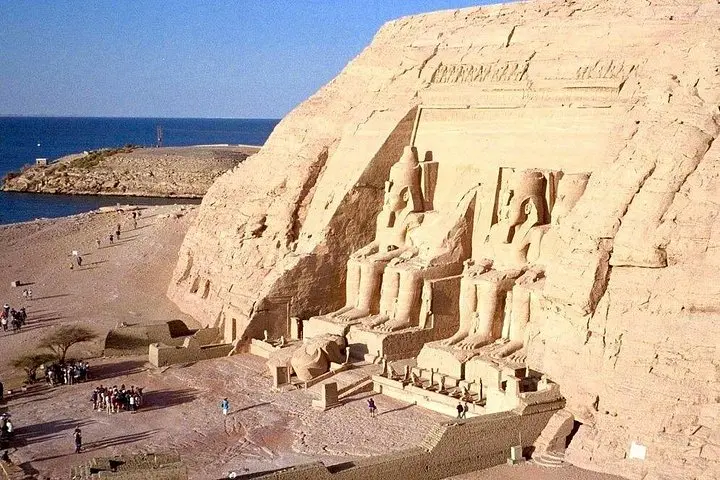
This stretch of the Nile Valley is layered history—Pharaonic temples carved from sandstone and granite, Greco-Roman graffiti, and modern towns shaped by the Aswan Dam’s influence. Abu Simbel, carved into the rock by Ramses II and famously relocated in the 1960s to avoid the rising reservoir, crowns the route on day two. Geologically the sites sit on river-deposited silt and older Nubian sandstones; you’ll notice how the stone’s warm ochres change with low sun.
Expect comfortable travel in a private, air-conditioned car with an Egyptologist guide handling entries and context. Practicalities matter: early departures avoid mid-day heat, passport and entry confirmations are required for temple admission, and modest clothing eases access inside religious sites. Bring plenty of water, sunscreen, and shoes suited for uneven temple stone. Photography is excellent at dawn and late afternoon when reliefs throw long shadows. Cash in Egyptian pounds is useful for local purchases and tips. The tour balances slow archaeology with road-time rhythm—there’s room to be moved by carved faces and to move quietly through centuries of Nile life.
Yes—admission to Edfu, Kom Ombo and Abu Simbel is included in this private tour as noted in the inclusions.
Driving from Luxor to Abu Simbel covers roughly 280–300 km and is split across the two days with stops; the tour includes in-vehicle comfort breaks.
The itinerary is rated easy and is generally suitable for most ages, but participants should be able to board the vehicle and manage short walks and steps at temple sites.
Carry some Egyptian pounds for small purchases and local tips; tipping guides and drivers is customary—ask your guide for local norms.
EGYPT EXPERIENCE operates guided outdoor trips and adventures with an emphasis on safety, stewardship, and memorable experiences.
You leave Luxor at first light, the Nile sliding beside the road like a living ribbon. Sun warms the vehicle while the river’s edge alternates between cultivated palms and low desert ridges. The first day moves at a measured pace: the great Hypostyle shadows of Edfu give way to the unusual stacked sanctuaries of Kom Ombo, where crocodile imagery and dual gods share the stone.
You leave Luxor at first light, the Nile sliding beside the road like a living ribbon. Sun warms the vehicle while the river’s edge alternates between cultivated palms and low desert ridges. The first day moves at a measured pace: the great Hypostyle shadows of Edfu give way to the unusual stacked sanctuaries of Kom Ombo, where crocodile imagery and dual gods share the stone.
This stretch of the Nile Valley is layered history—Pharaonic temples carved from sandstone and granite, Greco-Roman graffiti, and modern towns shaped by the Aswan Dam’s influence. Abu Simbel, carved into the rock by Ramses II and famously relocated in the 1960s to avoid the rising reservoir, crowns the route on day two. Geologically the sites sit on river-deposited silt and older Nubian sandstones; you’ll notice how the stone’s warm ochres change with low sun.
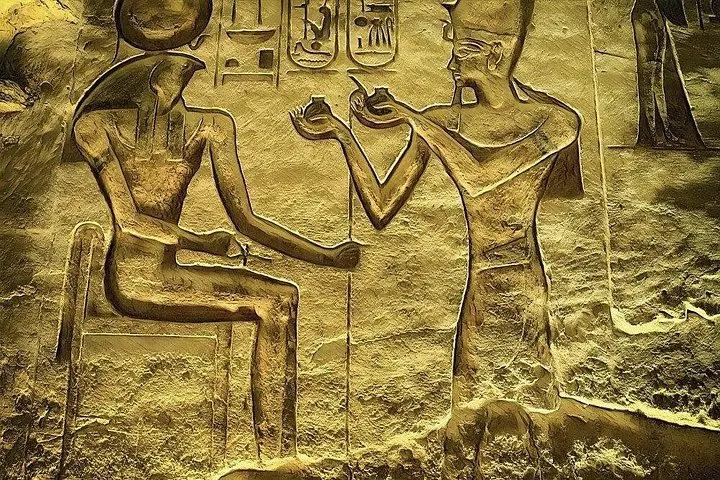
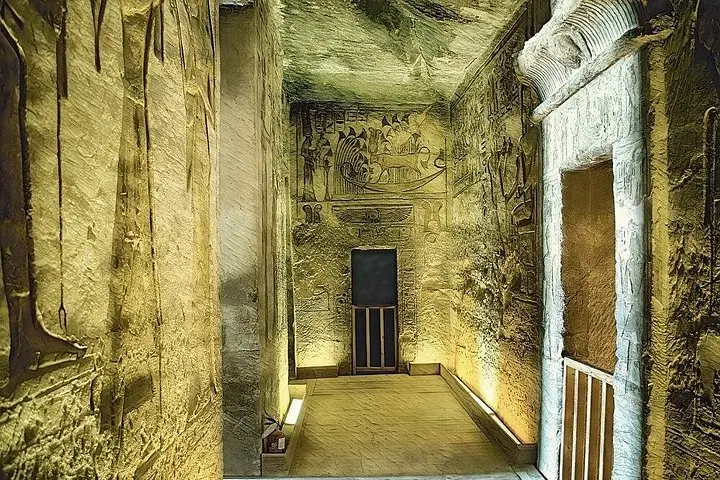
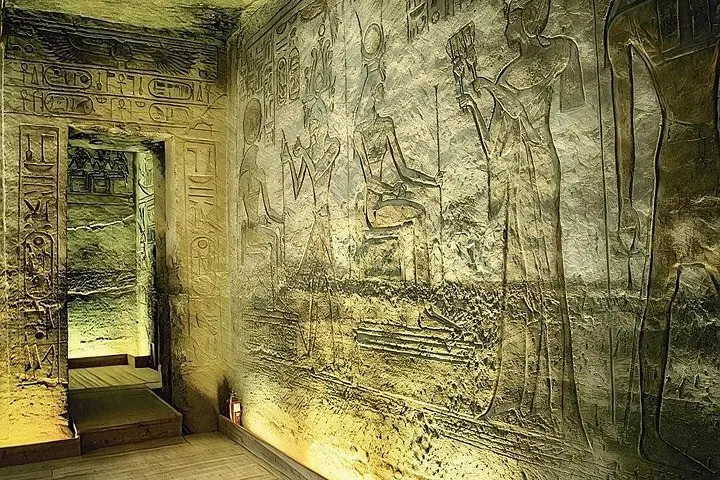
Expect comfortable travel in a private, air-conditioned car with an Egyptologist guide handling entries and context. Practicalities matter: early departures avoid mid-day heat, passport and entry confirmations are required for temple admission, and modest clothing eases access inside religious sites. Bring plenty of water, sunscreen, and shoes suited for uneven temple stone. Photography is excellent at dawn and late afternoon when reliefs throw long shadows. Cash in Egyptian pounds is useful for local purchases and tips. The tour balances slow archaeology with road-time rhythm—there’s room to be moved by carved faces and to move quietly through centuries of Nile life.