THE ADVENTURE COLLECTIVE® · Independent discovery and booking for outdoor travel

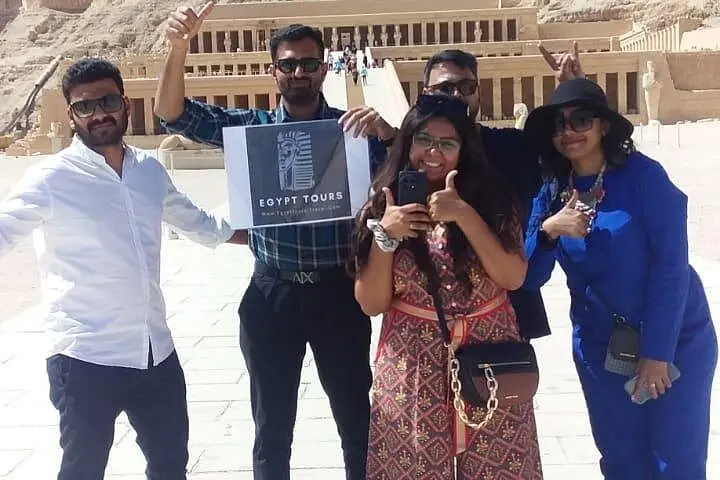
Two days of private guiding through Luxor’s defining sites—Karnak, Luxor Temple, the Valley of the Kings and Hatshepsut—designed for travelers who want depth without the crowds. Expect expert context, early starts, and plenty of walking on uneven stone.
Two days of private guiding through Luxor’s defining sites—Karnak, Luxor Temple, the Valley of the Kings and Hatshepsut—designed for travelers who want depth without the crowds. Expect expert context, early starts, and plenty of walking on uneven stone.
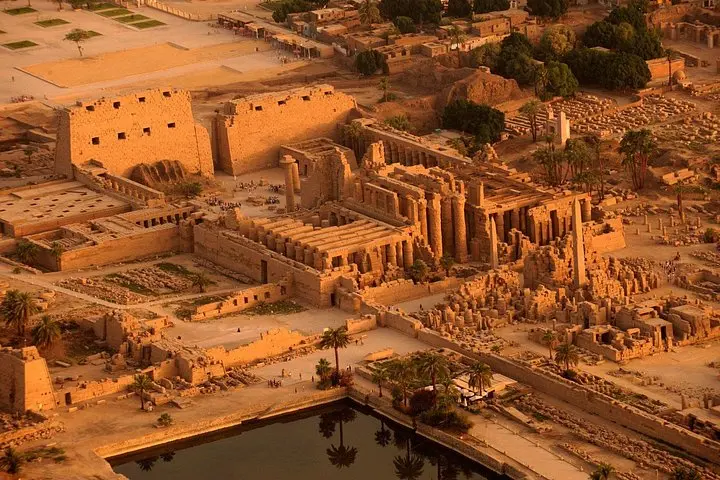
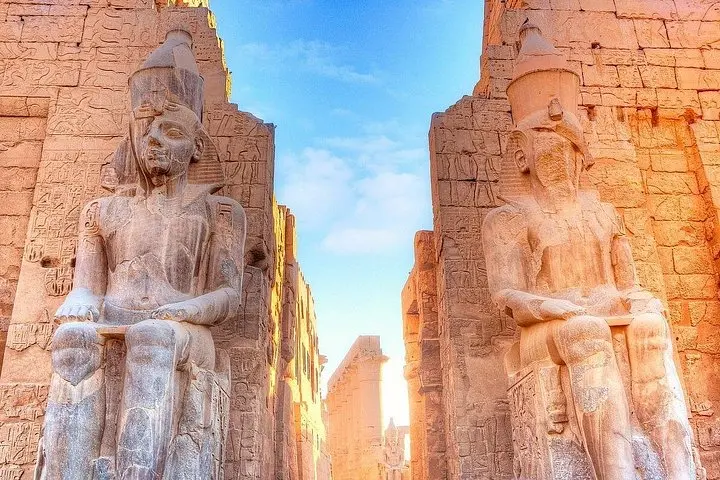
You step out of the air‑conditioned vehicle and the Nile’s flat light spills across a city that was once the heart of Thebes. Dust lifts from the roadside as the pylons of Karnak appear—giant stone pages in a book that still reads like history. On day one the pillared hypostyle hall and obelisks dominate the skyline; on day two the desert cliffs open to the West Bank, where tombs await like sealed chambers of memory.
Verified experiences and guided adventures in the surrounding area.
Operated by Egypt Tours Travel · Luxor, Luxor Governorate
You step out of the air‑conditioned vehicle and the Nile’s flat light spills across a city that was once the heart of Thebes. Dust lifts from the roadside as the pylons of Karnak appear—giant stone pages in a book that still reads like history. On day one the pillared hypostyle hall and obelisks dominate the skyline; on day two the desert cliffs open to the West Bank, where tombs await like sealed chambers of memory.
Luxor sits on the east bank of the Nile where ancient Egypt concentrated religious life and royal burials. Geologically the city straddles alluvial plains and limestone escarpments; the Valley of the Kings is a cut in sun‑baked rock where New Kingdom pharaohs were interred. Culturally, a qualified Egyptologist will trace the rituals, hieroglyphic vocabulary and funerary economy that shaped these sites while pointing out later Graeco‑Roman influences visible on temple reliefs.
Practical guidance: plan early starts to avoid heat and midday crowds, bring a hat and water, and expect stairs and uneven stone surfaces at temples and tombs. Entrance fees to sites are typically not included; local conservation rules restrict flash photography inside many tombs. The two‑day private format gives flexibility to linger at Karnak, visit three selected royal tombs in the Valley, and pause for light meals between stops.
This itinerary suits anyone curious about archaeology and history rather than technical hiking; comfortable shoes and sun protection will make the difference between a rushed visit and one where you can read the stones and let the past feel present.
No—entrance fees and special tomb tickets are generally not included; bring cash or pay on site where card is accepted.
The tour notes wheelchair accessibility, but access varies by site—tomb interiors have steps and narrow passages, so check specific requirements beforehand.
Snacks and water are listed as included; full meals are typically not covered, so budget for lunches or ask your guide to arrange them.
A qualified Egyptologist guide is provided, commonly English; request other language options at booking and confirm availability.
Egypt Tours Travel operates guided outdoor trips and adventures with an emphasis on safety, stewardship, and memorable experiences.
You step out of the air‑conditioned vehicle and the Nile’s flat light spills across a city that was once the heart of Thebes. Dust lifts from the roadside as the pylons of Karnak appear—giant stone pages in a book that still reads like history. On day one the pillared hypostyle hall and obelisks dominate the skyline; on day two the desert cliffs open to the West Bank, where tombs await like sealed chambers of memory.
You step out of the air‑conditioned vehicle and the Nile’s flat light spills across a city that was once the heart of Thebes. Dust lifts from the roadside as the pylons of Karnak appear—giant stone pages in a book that still reads like history. On day one the pillared hypostyle hall and obelisks dominate the skyline; on day two the desert cliffs open to the West Bank, where tombs await like sealed chambers of memory.
Luxor sits on the east bank of the Nile where ancient Egypt concentrated religious life and royal burials. Geologically the city straddles alluvial plains and limestone escarpments; the Valley of the Kings is a cut in sun‑baked rock where New Kingdom pharaohs were interred. Culturally, a qualified Egyptologist will trace the rituals, hieroglyphic vocabulary and funerary economy that shaped these sites while pointing out later Graeco‑Roman influences visible on temple reliefs.
Practical guidance: plan early starts to avoid heat and midday crowds, bring a hat and water, and expect stairs and uneven stone surfaces at temples and tombs. Entrance fees to sites are typically not included; local conservation rules restrict flash photography inside many tombs. The two‑day private format gives flexibility to linger at Karnak, visit three selected royal tombs in the Valley, and pause for light meals between stops.
This itinerary suits anyone curious about archaeology and history rather than technical hiking; comfortable shoes and sun protection will make the difference between a rushed visit and one where you can read the stones and let the past feel present.