THE ADVENTURE COLLECTIVE® · Independent discovery and booking for outdoor travel

A two-day private circuit from Tunis that pairs Roman ruins, coastal sandstone needles and the lush Kroumirie forests. Expect short hikes, cultural stops and an overnight in Tabarka.
A two-day private circuit from Tunis that pairs Roman ruins, coastal sandstone needles and the lush Kroumirie forests. Expect short hikes, cultural stops and an overnight in Tabarka.
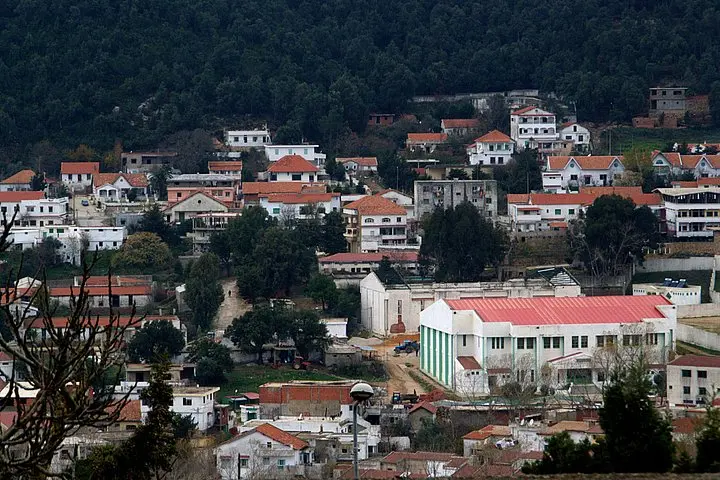
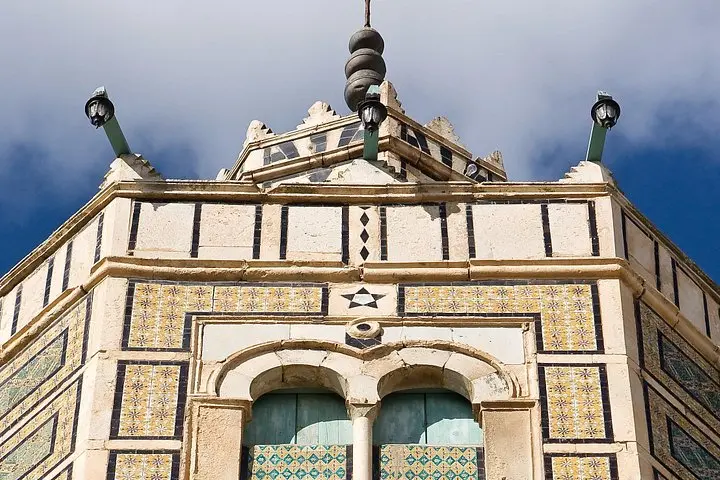
You arrive from Tunis before dawn and the road opens into a different Tunisia: wind-swept sandstone ribs along the coast, steep forested slopes that drink in rain, and villages where goats clip the terraces. On day one the tour threads through Testour’s Hispano‑Moorish mosque and the ruins of Dougga — a Roman small city whose columns and forum lay low and patient under the sky — before dropping toward the coastal needles and beaches of Tabarka.
Verified experiences and guided adventures in the surrounding area.
Operated by Didon tours · Tabarka, Jendouba
You arrive from Tunis before dawn and the road opens into a different Tunisia: wind-swept sandstone ribs along the coast, steep forested slopes that drink in rain, and villages where goats clip the terraces. On day one the tour threads through Testour’s Hispano‑Moorish mosque and the ruins of Dougga — a Roman small city whose columns and forum lay low and patient under the sky — before dropping toward the coastal needles and beaches of Tabarka.
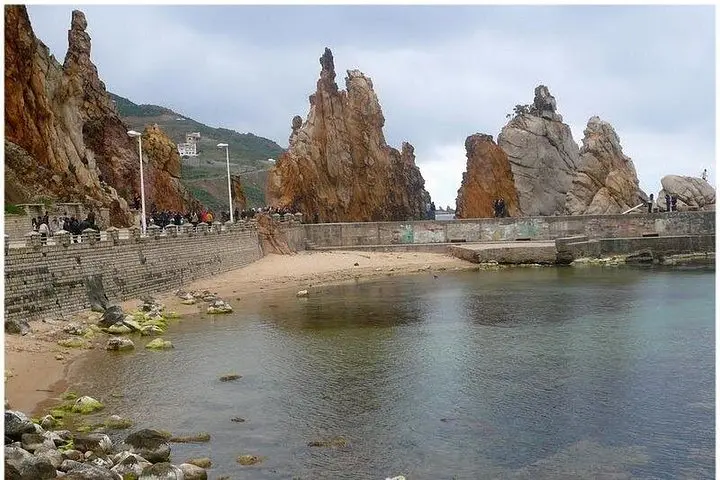
Geology here is visible at a glance: Tabarka’s “needles” are stacked sandstone bars carved by wind and sea into arched cliffs and narrow spires, some standing 20–25 meters tall. The Kroumirie range inland holds denser forest, higher rainfall, and an unexpected coolness; Ain Draham perches at about 800 m and will remind you that Tunisia is not only sand. Cultural notes thread the route: Berber place names, coastal coral-harvesting traditions in Tabarka, and Béja’s small dairies where salt-free cheeses are still made by hand.
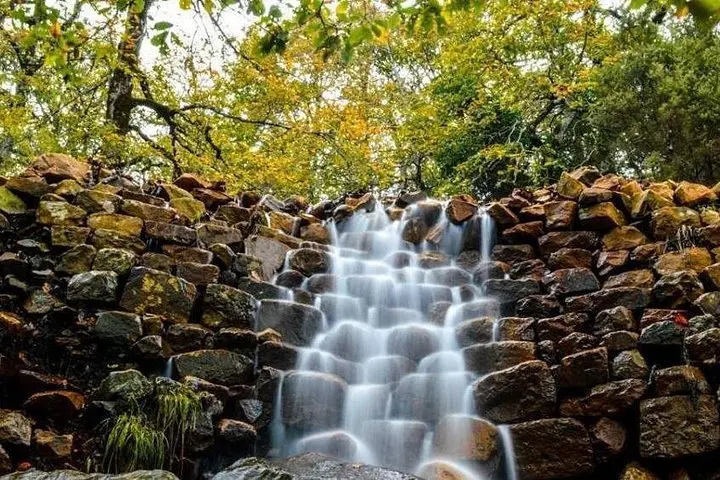
Practically, this is a drive‑forward, private tour with an overnight in Tabarka (hotel listed). Expect short walks, cliff-side paths and a waterfall visit at Beni Mtir — not technical but uneven. Pack sturdy shoes, layers for coastal wind and inland chill, and a rain layer if traveling outside summer: the northwest records Tunisia’s highest rainfall. Hydrate on the move; restroom stops are at towns and the hotel. The tour suits travelers wanting a compact introduction to geology, Roman archaeology and ridge‑forests without multi‑day trekking. The landscape will pull at you — seawinds daring you to the cliff edge, streams pushing you inland — but the pace is measured and focused on observation and local flavor.
Expect short to moderate walks: cliffside paths in Tabarka, a waterfall trail in Beni Mtir, and site exploration at Dougga; none are technical but surfaces can be uneven.
The operator lists it as suitable for all fitness levels and wheelchair accessible for parts, but some sites have uneven ground; check pickup and specific mobility needs when booking.
The tour includes private air‑conditioned transport, entrance fees to mentioned sites, one night hotel accommodation in Tabarka (half board), breakfast and dinner, and applicable taxes.
Yes—northwest Tunisia gets the country’s highest rainfall and Ain Draham (around 800 m) can receive snow in winter; conditions vary year to year.
Didon tours operates guided outdoor trips and adventures with an emphasis on safety, stewardship, and memorable experiences.
You arrive from Tunis before dawn and the road opens into a different Tunisia: wind-swept sandstone ribs along the coast, steep forested slopes that drink in rain, and villages where goats clip the terraces. On day one the tour threads through Testour’s Hispano‑Moorish mosque and the ruins of Dougga — a Roman small city whose columns and forum lay low and patient under the sky — before dropping toward the coastal needles and beaches of Tabarka.
You arrive from Tunis before dawn and the road opens into a different Tunisia: wind-swept sandstone ribs along the coast, steep forested slopes that drink in rain, and villages where goats clip the terraces. On day one the tour threads through Testour’s Hispano‑Moorish mosque and the ruins of Dougga — a Roman small city whose columns and forum lay low and patient under the sky — before dropping toward the coastal needles and beaches of Tabarka.
Geology here is visible at a glance: Tabarka’s “needles” are stacked sandstone bars carved by wind and sea into arched cliffs and narrow spires, some standing 20–25 meters tall. The Kroumirie range inland holds denser forest, higher rainfall, and an unexpected coolness; Ain Draham perches at about 800 m and will remind you that Tunisia is not only sand. Cultural notes thread the route: Berber place names, coastal coral-harvesting traditions in Tabarka, and Béja’s small dairies where salt-free cheeses are still made by hand.
Practically, this is a drive‑forward, private tour with an overnight in Tabarka (hotel listed). Expect short walks, cliff-side paths and a waterfall visit at Beni Mtir — not technical but uneven. Pack sturdy shoes, layers for coastal wind and inland chill, and a rain layer if traveling outside summer: the northwest records Tunisia’s highest rainfall. Hydrate on the move; restroom stops are at towns and the hotel. The tour suits travelers wanting a compact introduction to geology, Roman archaeology and ridge‑forests without multi‑day trekking. The landscape will pull at you — seawinds daring you to the cliff edge, streams pushing you inland — but the pace is measured and focused on observation and local flavor.