THE ADVENTURE COLLECTIVE® · Independent discovery and booking for outdoor travel

Travel from Munich to Salzburg and Vienna in two curated days of history, music, and imperial architecture. Private transfers and local guides compress highlights—Mirabell, Hohensalzburg, Schönbrunn—into an efficient, narrative-driven experience.
Travel from Munich to Salzburg and Vienna in two curated days of history, music, and imperial architecture. Private transfers and local guides compress highlights—Mirabell, Hohensalzburg, Schönbrunn—into an efficient, narrative-driven experience.
You step into a comfortable minivan just outside your Munich hotel as the city recedes and the Bavarian countryside opens like a slow-moving film. Hills roll by, villages tuck into river valleys, and the Alps flirt with the horizon as you cross into Salzburg—Mozart’s birthplace—where cobbled lanes and Baroque facades set the scene.
Verified experiences and guided adventures in the surrounding area.
Operated by SmartWay Trips · Munich, Bavaria
You step into a comfortable minivan just outside your Munich hotel as the city recedes and the Bavarian countryside opens like a slow-moving film. Hills roll by, villages tuck into river valleys, and the Alps flirt with the horizon as you cross into Salzburg—Mozart’s birthplace—where cobbled lanes and Baroque facades set the scene.
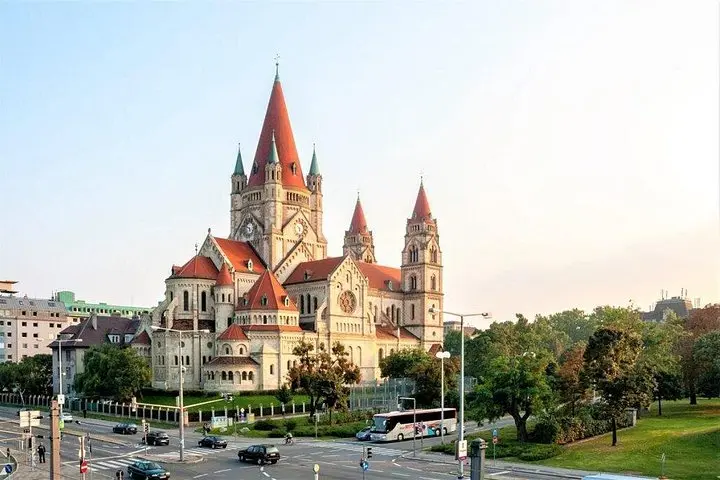
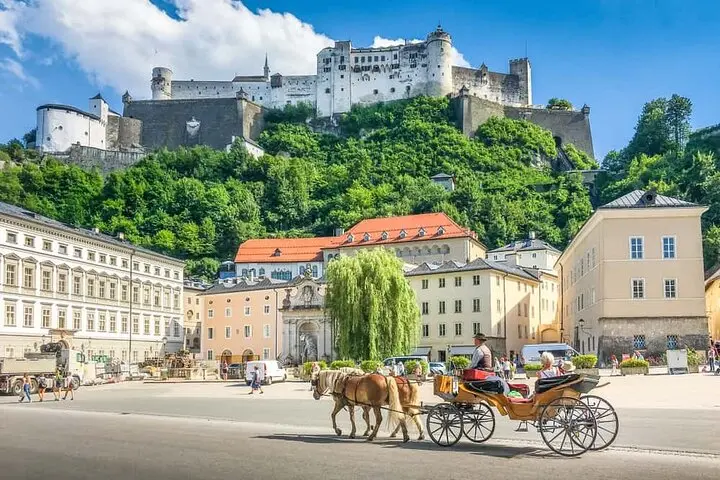
Salzburg sits on the edge of the Northern Limestone Alps; its fortress Hohensalzburg perches on a rocky spur that once watched trade routes and armies. Vienna, downstream along cultural currents rather than a single river, is shaped by imperial ambitions: Schönbrunn’s gardens, the Hofburg’s stone weight, and St. Stephen’s Gothic spire map centuries of Habsburg rule and classical music. Guides stitch these landmarks to stories—Mozart’s boyhood, the city’s postwar reinvention—while the architecture reveals layers of economic and political change.
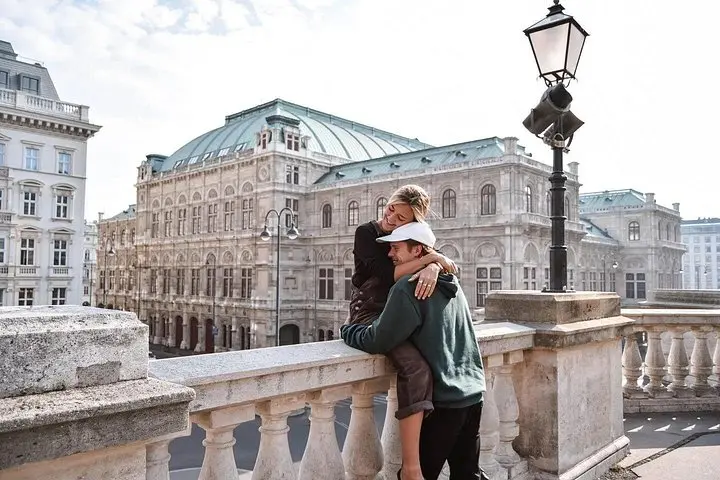
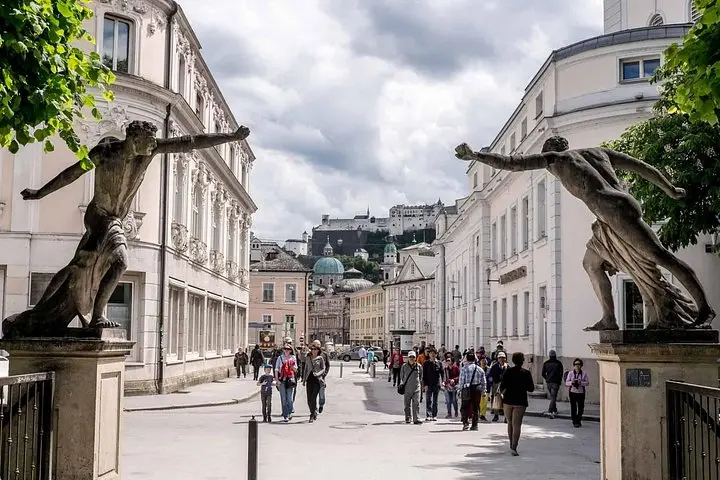
Practicalities shape the day as much as scenery. The two-day private format means door-to-door transfers, time-efficient stops at Mirabell Palace and Getreidegasse in Salzburg, then a full morning in Vienna with skip-and-see pacing through Schönbrunn, the State Opera, and central sights. Expect 6–9 hours of walking and standing each day, mostly on paved streets and stairs in historic buildings.
Plan to start early to avoid crowds, keep passports and tickets handy, and leave bulky luggage in the vehicle if possible. Wear supportive shoes for cobbles and steps, bring a light layer for alpine breezes, and carry small cash for cafés. Guides often recommend tasting a local schnitzel or Sachertorte between viewpoints—simple rewards after a day of urban exploration.
Most major attractions listed in the itinerary include admission, but confirm specific site inclusions on your booking page and bring any necessary tickets.
The private chauffeur picks you up from your Munich hotel on day one and returns you to Munich on day two after the Vienna leg.
Yes—infants and small children can use strollers; infant seats are available. Expect some stairs at historical sites.
Local guides can arrange vegetarian or common dietary requests if notified during booking; specify allergies or restrictions ahead of time.
SmartWay Trips operates guided outdoor trips and adventures with an emphasis on safety, stewardship, and memorable experiences.
You step into a comfortable minivan just outside your Munich hotel as the city recedes and the Bavarian countryside opens like a slow-moving film. Hills roll by, villages tuck into river valleys, and the Alps flirt with the horizon as you cross into Salzburg—Mozart’s birthplace—where cobbled lanes and Baroque facades set the scene.
You step into a comfortable minivan just outside your Munich hotel as the city recedes and the Bavarian countryside opens like a slow-moving film. Hills roll by, villages tuck into river valleys, and the Alps flirt with the horizon as you cross into Salzburg—Mozart’s birthplace—where cobbled lanes and Baroque facades set the scene.
Salzburg sits on the edge of the Northern Limestone Alps; its fortress Hohensalzburg perches on a rocky spur that once watched trade routes and armies. Vienna, downstream along cultural currents rather than a single river, is shaped by imperial ambitions: Schönbrunn’s gardens, the Hofburg’s stone weight, and St. Stephen’s Gothic spire map centuries of Habsburg rule and classical music. Guides stitch these landmarks to stories—Mozart’s boyhood, the city’s postwar reinvention—while the architecture reveals layers of economic and political change.
Practicalities shape the day as much as scenery. The two-day private format means door-to-door transfers, time-efficient stops at Mirabell Palace and Getreidegasse in Salzburg, then a full morning in Vienna with skip-and-see pacing through Schönbrunn, the State Opera, and central sights. Expect 6–9 hours of walking and standing each day, mostly on paved streets and stairs in historic buildings.
Plan to start early to avoid crowds, keep passports and tickets handy, and leave bulky luggage in the vehicle if possible. Wear supportive shoes for cobbles and steps, bring a light layer for alpine breezes, and carry small cash for cafés. Guides often recommend tasting a local schnitzel or Sachertorte between viewpoints—simple rewards after a day of urban exploration.