THE ADVENTURE COLLECTIVE® · Independent discovery and booking for outdoor travel

Explore Lyon’s layered history on a two-hour private walking tour from Vieux Lyon’s Renaissance lanes to Croix‑Rousse’s silk‑working quarter. Learn architectural, cultural, and riverine stories while getting local dining tips tailored to your interests.
Explore Lyon’s layered history on a two-hour private walking tour from Vieux Lyon’s Renaissance lanes to Croix‑Rousse’s silk‑working quarter. Learn architectural, cultural, and riverine stories while getting local dining tips tailored to your interests.
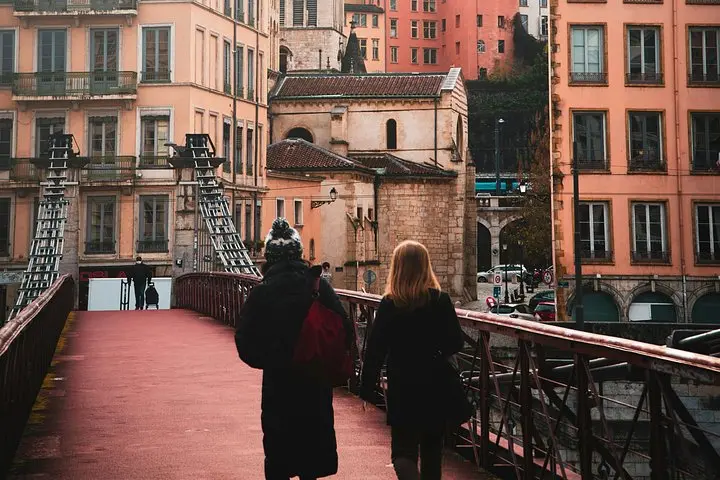
A narrow lane in Vieux Lyon opens onto cool stone, and your guide steps forward with a map in hand and stories ready. The street smells faintly of baking bread and coffee; cobbles underfoot remember centuries of traders, silk weavers, and pilgrims. You move through a sequence of spaces—cathedral façades, hidden traboules, a sunlit square—each one revealing a new chapter of the city's life.
Verified experiences and guided adventures in the surrounding area.
Operated by European Voyages · Lyon, Auvergne-Rhône-Alpes
A narrow lane in Vieux Lyon opens onto cool stone, and your guide steps forward with a map in hand and stories ready. The street smells faintly of baking bread and coffee; cobbles underfoot remember centuries of traders, silk weavers, and pilgrims. You move through a sequence of spaces—cathedral façades, hidden traboules, a sunlit square—each one revealing a new chapter of the city's life.
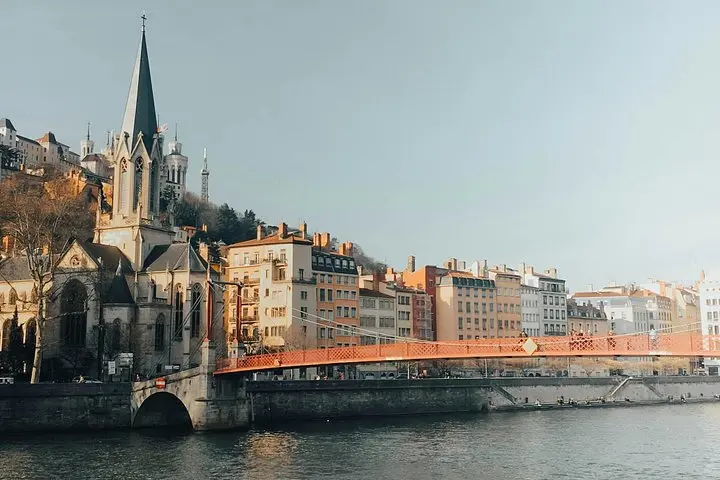
Lyon began as the Roman Lugdunum and later became a European silk capital; the Canuts of Croix-Rousse built whole neighborhoods around looms and passageways that still thread the hill. Geologically the city sits between the Saône and Rhône rivers, their alluvial plains shaping bridges and quays; the riverbanks offer perspectives on Lyon’s trade-driven growth. Culturally, cuisine and commerce sit cheek by jowl—bouchons and ateliers reflect a working-city sensibility.
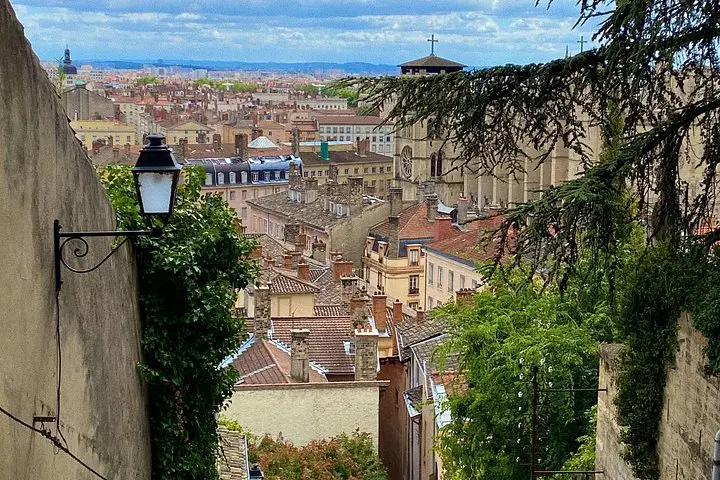
Expect a paced, two-hour route: Vieux Lyon’s Renaissance façades and Saint-Jean, Place des Terreaux with its Bartholdi fountain, a climb to Croix-Rousse for traboules and street art, then a descent to the Saône with river-facing views. Guides typically tailor stories to your interests—architecture, silk history, or food tips—and end with dining recommendations.
Practical: wear stable shoes for cobbles, carry a light layer for hilltop breezes, and bring a small bottle of water. The tour is suitable for most fitness levels but involves short climbs and several stairways through passageways. Mornings and late afternoons offer the most comfortable light and smaller crowds.
The tour is two hours long and involves a moderate amount of walking with short climbs and staircases—suitable for most visitors.
This private walking tour focuses on exterior sights and stories; entry fees to museums or paid sites are typically not included unless specified.
Yes—guides usually tailor the narrative to interests like food, architecture, or silk history; mention preferences when booking.
The tour is listed as stroller-accessible in many parts, but some traboules and stairways are not suitable for strollers—check with the operator for specific route details.
European Voyages operates guided outdoor trips and adventures with an emphasis on safety, stewardship, and memorable experiences.
A narrow lane in Vieux Lyon opens onto cool stone, and your guide steps forward with a map in hand and stories ready. The street smells faintly of baking bread and coffee; cobbles underfoot remember centuries of traders, silk weavers, and pilgrims. You move through a sequence of spaces—cathedral façades, hidden traboules, a sunlit square—each one revealing a new chapter of the city's life.
A narrow lane in Vieux Lyon opens onto cool stone, and your guide steps forward with a map in hand and stories ready. The street smells faintly of baking bread and coffee; cobbles underfoot remember centuries of traders, silk weavers, and pilgrims. You move through a sequence of spaces—cathedral façades, hidden traboules, a sunlit square—each one revealing a new chapter of the city's life.
Lyon began as the Roman Lugdunum and later became a European silk capital; the Canuts of Croix-Rousse built whole neighborhoods around looms and passageways that still thread the hill. Geologically the city sits between the Saône and Rhône rivers, their alluvial plains shaping bridges and quays; the riverbanks offer perspectives on Lyon’s trade-driven growth. Culturally, cuisine and commerce sit cheek by jowl—bouchons and ateliers reflect a working-city sensibility.
Expect a paced, two-hour route: Vieux Lyon’s Renaissance façades and Saint-Jean, Place des Terreaux with its Bartholdi fountain, a climb to Croix-Rousse for traboules and street art, then a descent to the Saône with river-facing views. Guides typically tailor stories to your interests—architecture, silk history, or food tips—and end with dining recommendations.
Practical: wear stable shoes for cobbles, carry a light layer for hilltop breezes, and bring a small bottle of water. The tour is suitable for most fitness levels but involves short climbs and several stairways through passageways. Mornings and late afternoons offer the most comfortable light and smaller crowds.