THE ADVENTURE COLLECTIVE® · Independent discovery and booking for outdoor travel

Spend two hours with a Tlingit host exploring Ketchikan’s shoreline, totem parks, and wildlife viewpoints. This private, accessible tour blends cultural storytelling with practical wildlife-watching at prime local spots.
Spend two hours with a Tlingit host exploring Ketchikan’s shoreline, totem parks, and wildlife viewpoints. This private, accessible tour blends cultural storytelling with practical wildlife-watching at prime local spots.
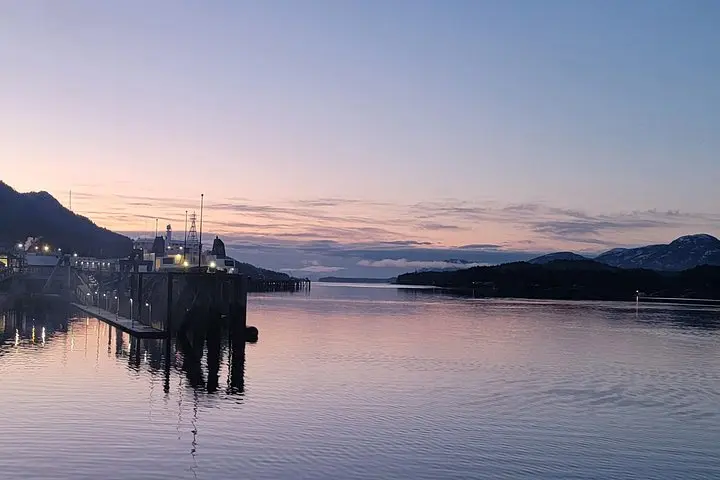
The morning fog lifts off the channel and the guide eases a roomy vehicle away from the ferry lane, voice low but clear about the day ahead. In two hours a Tlingit host can sketch the coastline, point out eagle nests etched against spruce, and stop at the edges where tidepools and salmon runs pick out the rhythm of the place.
Verified experiences and guided adventures in the surrounding area.
Operated by Lisa Edenshaw-Krieger · Ketchikan, Alaska
The morning fog lifts off the channel and the guide eases a roomy vehicle away from the ferry lane, voice low but clear about the day ahead. In two hours a Tlingit host can sketch the coastline, point out eagle nests etched against spruce, and stop at the edges where tidepools and salmon runs pick out the rhythm of the place.
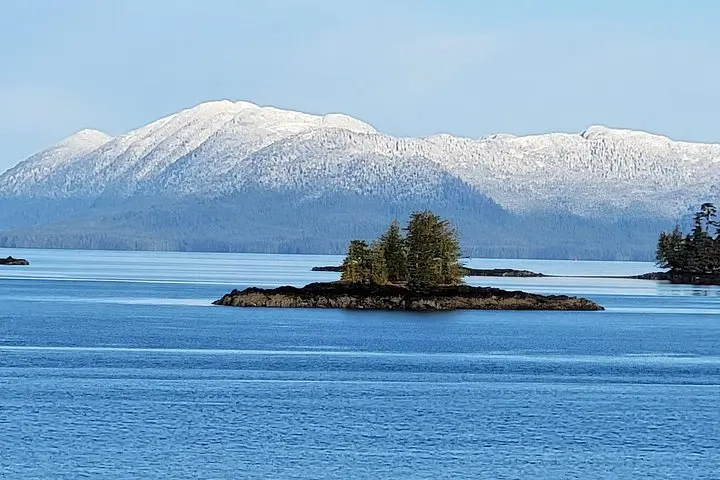
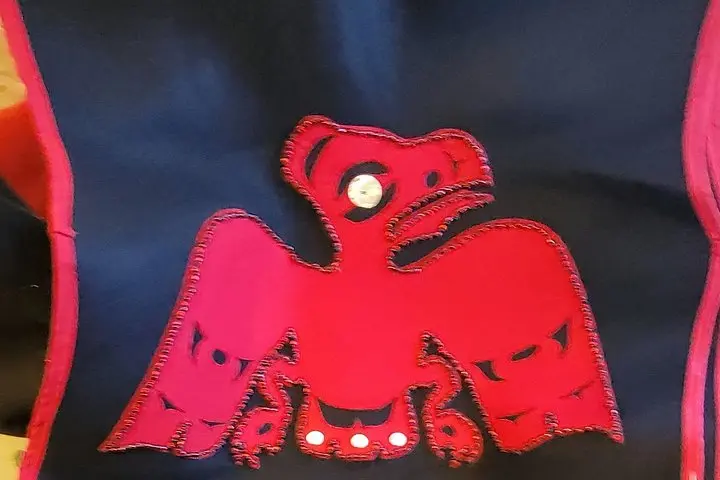
Ketchikan sits on the Inside Passage where glacially sculpted fjords meet temperate rainforest. The Tlingit people have lived here for millennia; totem poles and carved house fronts map clan histories and seasonal use of streams and islands. Geology here is recent and rugged—steep mountains dropping into salt water—so viewpoints like Mountain Point give sweeping lines of rock and water that belie the small scale of a short tour.
Expect a blend of cultural interpretation and wildlife watching: short stops at a totem site or museum, a shoreline beach comb for sea stars at low tide, and viewpoints where whales or bears are possible during salmon season (mid-June–early September). The pace is gentle and family-friendly, accessible for strollers and mobility aids with advance notice.
Practical edge: bring a waterproof layer and good grip shoes, set your camera to continuous mode for birds and whales, and plan visits mid-morning for clearer light and active wildlife. Two hours leaves time for questions—ask about salmon cycles, pole carving, and how local conservation shapes access.
The private tour lasts about two hours and typically includes Mountain Point viewpoints, a local beach for tidepooling, a wildlife lookout (Herring Cove area), and a totem/museum stop.
Yes — the operator notes accessibility for wheelchairs, strollers, and scooters; request accommodations when booking so the guide can plan appropriate stops.
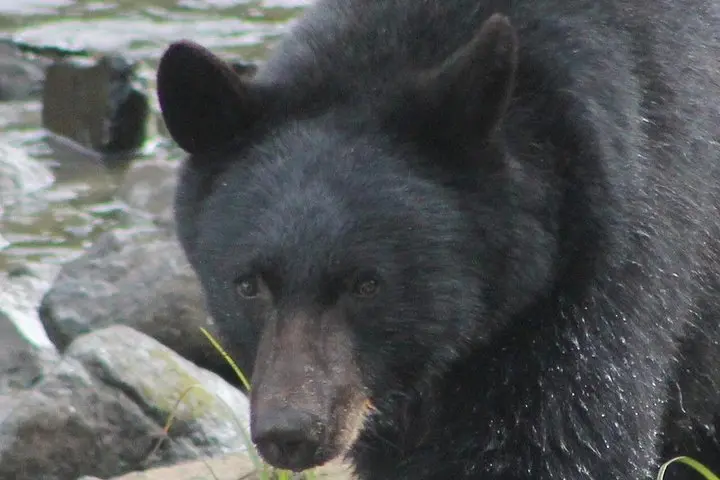
Common sightings include bald eagles and marine birds; during salmon season you may see black bears onshore and humpback whales offshore, though sightings can’t be guaranteed.
Full refund is available if you cancel at least 24 hours before the scheduled departure time; no refund within 24 hours of the tour.
Lisa Edenshaw-Krieger operates guided outdoor trips and adventures with an emphasis on safety, stewardship, and memorable experiences.
The morning fog lifts off the channel and the guide eases a roomy vehicle away from the ferry lane, voice low but clear about the day ahead. In two hours a Tlingit host can sketch the coastline, point out eagle nests etched against spruce, and stop at the edges where tidepools and salmon runs pick out the rhythm of the place.
The morning fog lifts off the channel and the guide eases a roomy vehicle away from the ferry lane, voice low but clear about the day ahead. In two hours a Tlingit host can sketch the coastline, point out eagle nests etched against spruce, and stop at the edges where tidepools and salmon runs pick out the rhythm of the place.
Ketchikan sits on the Inside Passage where glacially sculpted fjords meet temperate rainforest. The Tlingit people have lived here for millennia; totem poles and carved house fronts map clan histories and seasonal use of streams and islands. Geology here is recent and rugged—steep mountains dropping into salt water—so viewpoints like Mountain Point give sweeping lines of rock and water that belie the small scale of a short tour.
Expect a blend of cultural interpretation and wildlife watching: short stops at a totem site or museum, a shoreline beach comb for sea stars at low tide, and viewpoints where whales or bears are possible during salmon season (mid-June–early September). The pace is gentle and family-friendly, accessible for strollers and mobility aids with advance notice.
Practical edge: bring a waterproof layer and good grip shoes, set your camera to continuous mode for birds and whales, and plan visits mid-morning for clearer light and active wildlife. Two hours leaves time for questions—ask about salmon cycles, pole carving, and how local conservation shapes access.