THE ADVENTURE COLLECTIVE® · Independent discovery and booking for outdoor travel

Three days inside the Angkor Archaeological Park cover the temple highlights and riverside life of Tonle Sap. This private tour pairs early light at Angkor Wat with jungle-draped ruins and a sheltered look at lake communities.
Three days inside the Angkor Archaeological Park cover the temple highlights and riverside life of Tonle Sap. This private tour pairs early light at Angkor Wat with jungle-draped ruins and a sheltered look at lake communities.
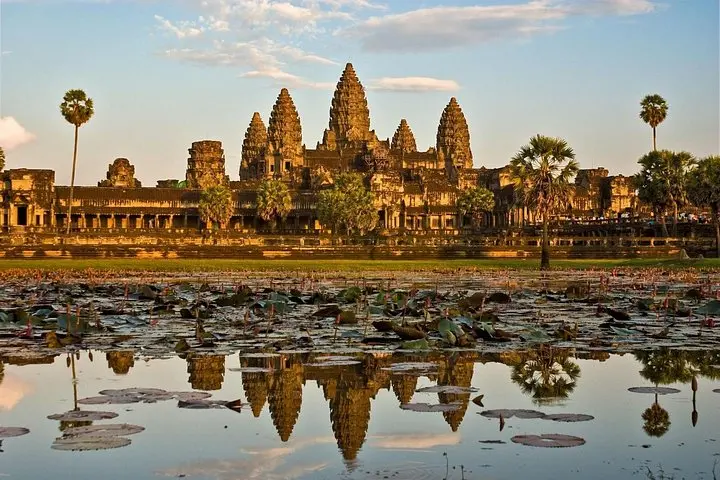
Dawn slips over a glassy lotus pool and the silhouette of Angkor Wat resolves into stone and shadow; the first light catches carved apsaras and the long causeway, and a guide’s voice draws you toward details that slip past most visitors.
Verified experiences and guided adventures in the surrounding area.
Operated by Tour Guide-Siem Reap · Siem Reap, Siem Reap Province
Dawn slips over a glassy lotus pool and the silhouette of Angkor Wat resolves into stone and shadow; the first light catches carved apsaras and the long causeway, and a guide’s voice draws you toward details that slip past most visitors.
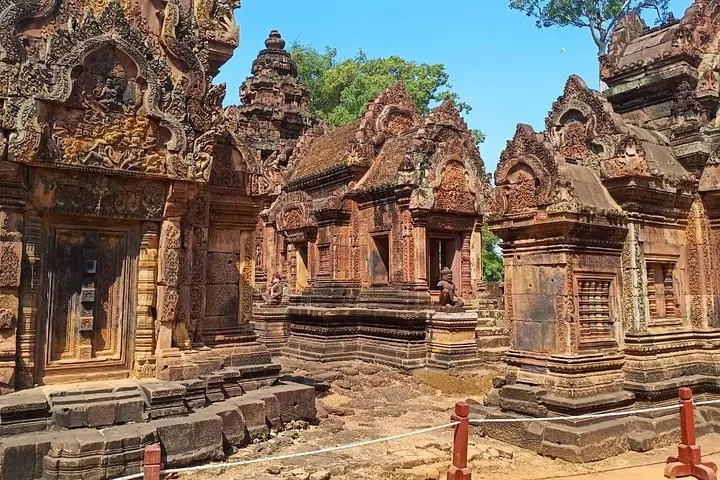
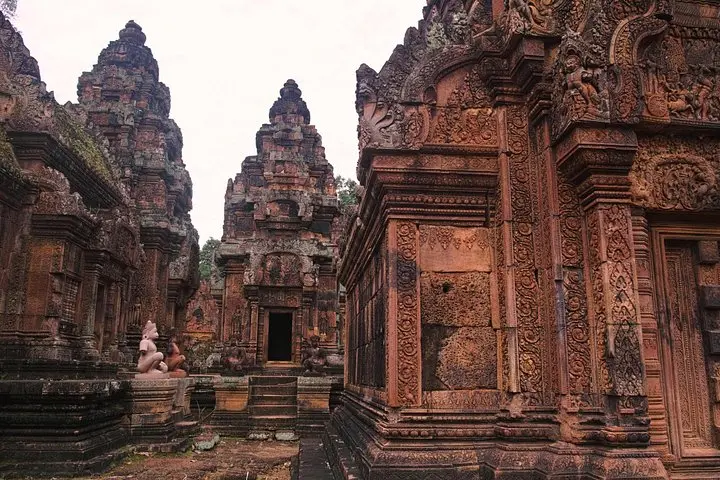
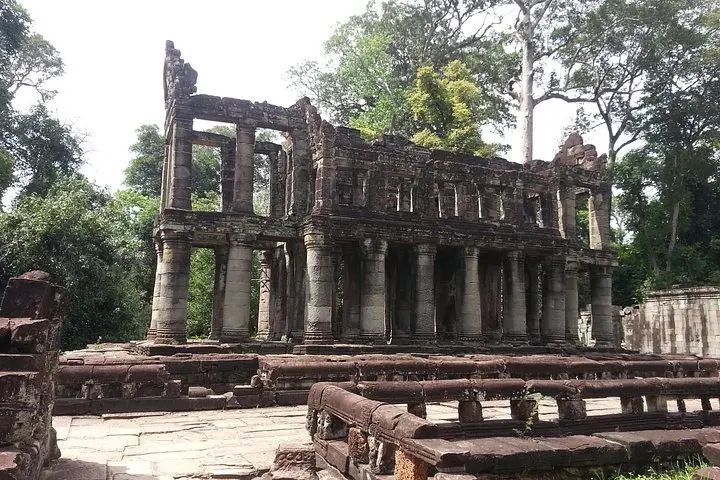
Over three days this private itinerary threads together the great monuments of the Khmer Empire — Angkor Wat’s tiered galleries and bas-reliefs, the Bayon’s 200-plus watching faces, the root-entwined walls of Ta Prohm, and the pink sandstone carvings of Banteay Srei. The landscape itself tells its own history: laterite foundations underlie soft sandstone blocks, while the engineered barays (reservoirs) and moats reveal a civilization that reshaped water to power a city.
You’ll travel between temples by private vehicle, step through tree-canopied courtyards, and cross wooden causeways that feel at once fragile and ancient. On day three the tour shifts from stone to water with a boat ride across Tonle Sap, where stilt houses and fishing life move with the lake’s seasonal pulse.
Practical: permit fees for Angkor are separate — bring the printed pass or e-permit, plan sunrise at Angkor Wat or late light at Banteay Srei for photography, and expect uneven steps and shaded paths. Dress respectfully (shoulders and knees covered at major temples), carry sun protection and refillable water, and favor a single-day pack; the private guide will handle logistics and pacing, but comfortable shoes and a light rain layer will make long days easier. Respect ropes and carvings — the older the stone, the more fragile it is.
Yes — park entry is managed via a pass (1-, 3- or 7-day options) purchased at the official ticket center; keep a printed or digital copy available.
Some sites have level areas and vehicle access, but many temple interiors and stairs are not wheelchair friendly; the tour offers accessible transport when possible.
Modest clothing that covers shoulders and knees is required at major temples; lightweight long sleeves and trousers balance respect and comfort.
Yes — guided boat trips use licensed operators and life jackets; water levels and routes vary seasonally, and guides will adjust accordingly.
Tour Guide-Siem Reap operates guided outdoor trips and adventures with an emphasis on safety, stewardship, and memorable experiences.
Dawn slips over a glassy lotus pool and the silhouette of Angkor Wat resolves into stone and shadow; the first light catches carved apsaras and the long causeway, and a guide’s voice draws you toward details that slip past most visitors.
Dawn slips over a glassy lotus pool and the silhouette of Angkor Wat resolves into stone and shadow; the first light catches carved apsaras and the long causeway, and a guide’s voice draws you toward details that slip past most visitors.
Over three days this private itinerary threads together the great monuments of the Khmer Empire — Angkor Wat’s tiered galleries and bas-reliefs, the Bayon’s 200-plus watching faces, the root-entwined walls of Ta Prohm, and the pink sandstone carvings of Banteay Srei. The landscape itself tells its own history: laterite foundations underlie soft sandstone blocks, while the engineered barays (reservoirs) and moats reveal a civilization that reshaped water to power a city.
You’ll travel between temples by private vehicle, step through tree-canopied courtyards, and cross wooden causeways that feel at once fragile and ancient. On day three the tour shifts from stone to water with a boat ride across Tonle Sap, where stilt houses and fishing life move with the lake’s seasonal pulse.
Practical: permit fees for Angkor are separate — bring the printed pass or e-permit, plan sunrise at Angkor Wat or late light at Banteay Srei for photography, and expect uneven steps and shaded paths. Dress respectfully (shoulders and knees covered at major temples), carry sun protection and refillable water, and favor a single-day pack; the private guide will handle logistics and pacing, but comfortable shoes and a light rain layer will make long days easier. Respect ropes and carvings — the older the stone, the more fragile it is.